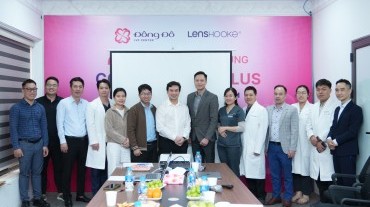
During the session, Dr. Nguyễn Quang Vinh presented an overview of cell-free DNA PGT (ASEM test), a non-invasive genetic testing technique increasingly recognized in the field of IVF. He explained that the test analyzes free DNA (cfDNA) released from embryonic cells through apoptosis or necrosis, with DNA originating from both the inner cell mass (ICM) and the trophectoderm. However, to ensure accuracy, it is essential to completely eliminate granulosa or cumulus cells from the mother, as contamination with maternal DNA can significantly impact the results.
Dr. Vinh also discussed multiple studies comparing cfDNA in culture media with traditional biopsy samples, such as TE, ICM, or cord blood, providing a comprehensive view of the clinical potential of the technique. He emphasized that laboratory procedures in IVF clinics play a critical role in sample quality—from thoroughly removing surrounding cells after fertilization, changing media on Day 3, washing embryos on Day 4, to culturing embryos in 20 µl droplets from the afternoon of Day 4 to Day 5 for at least 22 hours to obtain sufficient DNA. When embryos reach Day 5/Day 6, technicians collapse the blastocyst and collect the entire culture medium into a PCR tube containing preservation buffer, ensuring tips are changed between samples and storing the tubes at -20°C to -80°C before analysis.
The ASEM test can detect aneuploidy in 22 autosomes, structural abnormalities larger than 40 Mb, and mosaicism with a threshold of 50% or higher. Results are typically available within approximately seven days. Based on analytical data, experts provide several clinical recommendations—for example, 46XX embryos may be considered for transfer, 46XY embryos generally receive stronger recommendations, while embryos with abnormalities such as deletions on -1q or -15 are typically not advised for transfer. Concluding the technical session, Dr. Nguyễn Quang Vinh underscored that ASEM technology only delivers true value when embryo culture, washing, and media collection procedures in the IVF lab are performed with precision, as meticulous technique directly determines the reliability and significance of test results. The session provided essential up-to-date knowledge that will support Dong Do Hospital in applying advanced genetic technologies to improve assisted reproductive treatment outcomes.
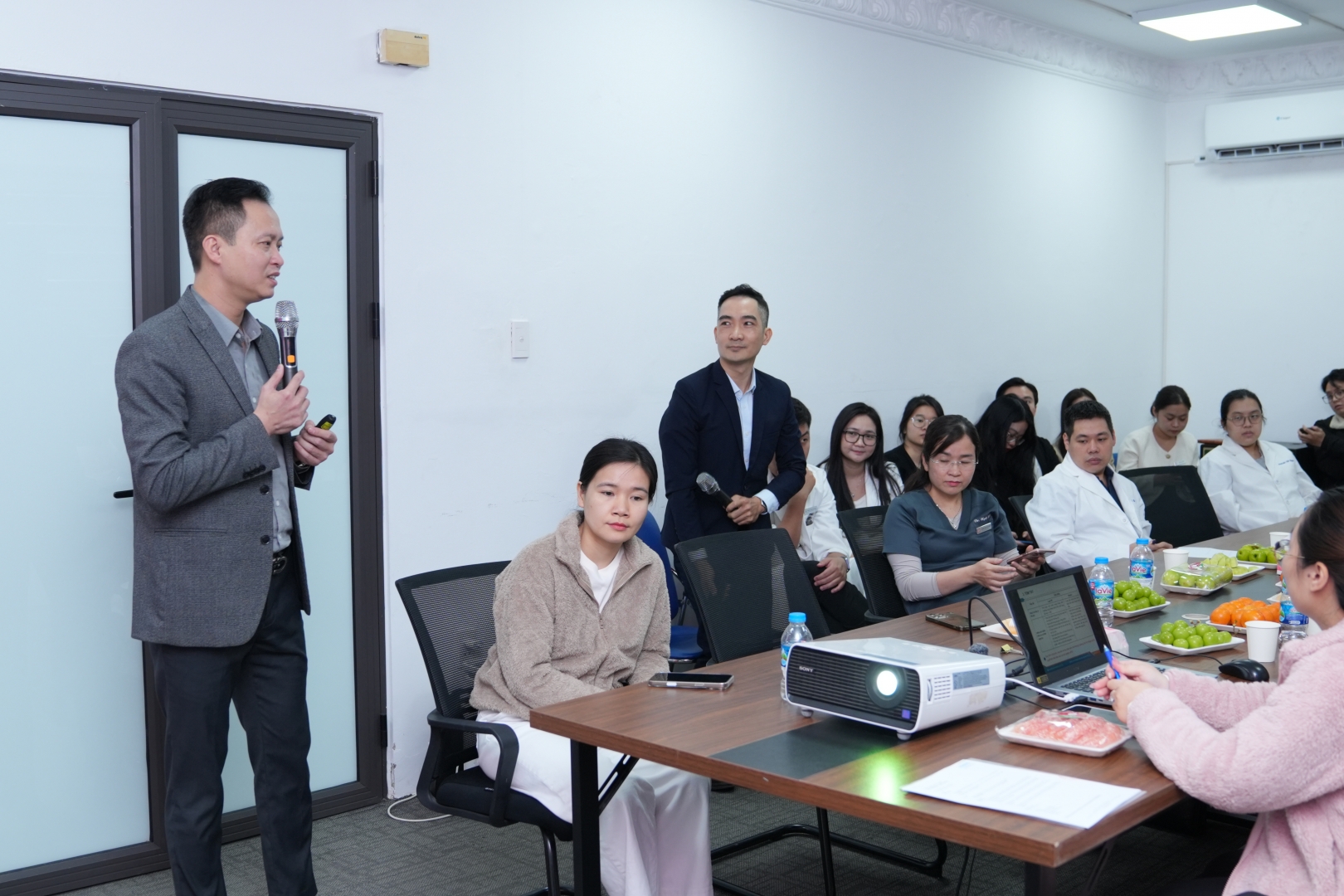
Beyond the theoretical presentation, Dr. Vinh also addressed questions from the doctors regarding real clinical cases. His detailed explanations helped Dong Do’s medical team gain clearer insights into the coordination process between the laboratory, IVF center, and the testing unit to achieve optimal outcomes for patients.
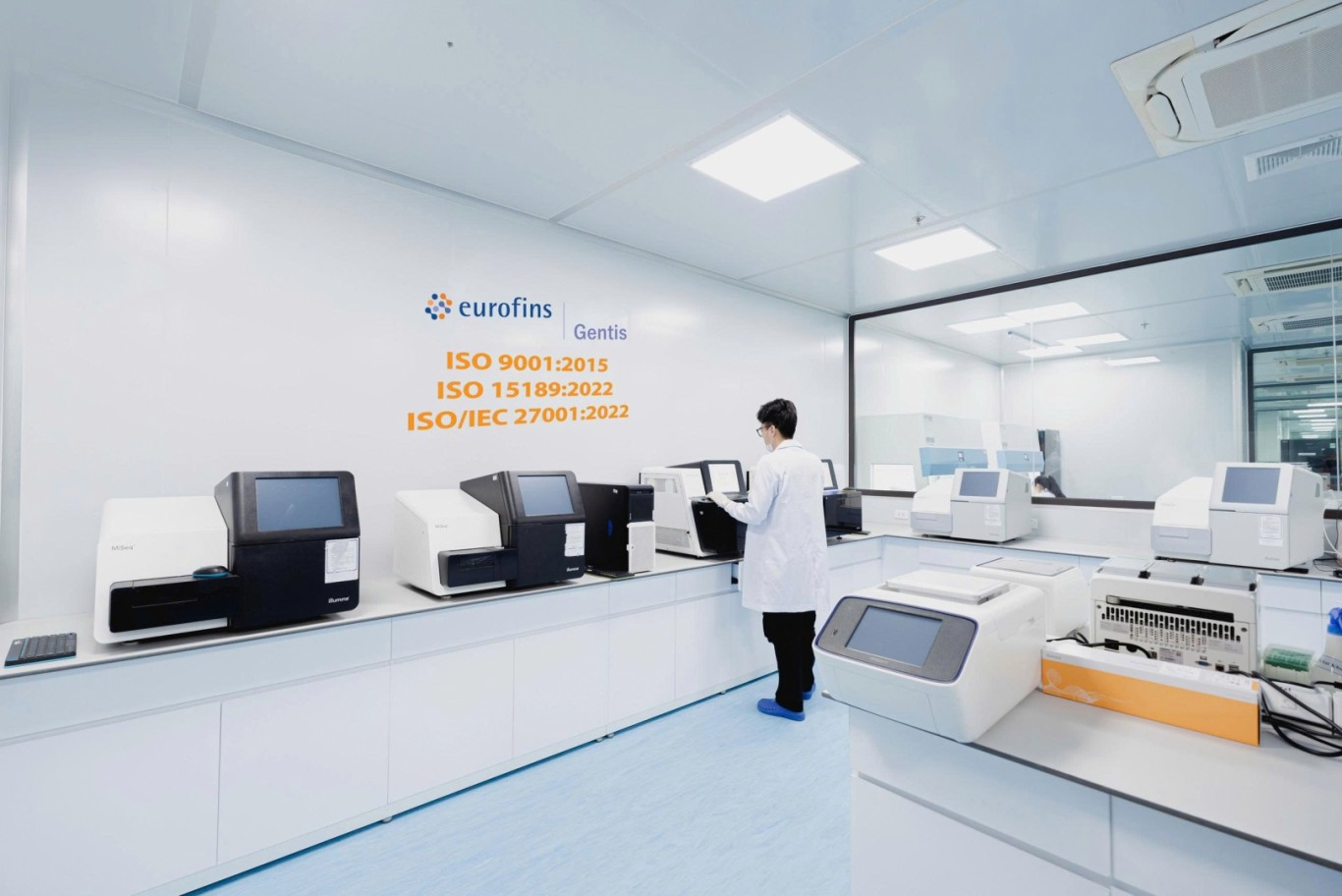
Continuing the discussion, Dr. Vinh emphasized EUROFINS GENTIS’s development strategy of adopting new technologies, expanding collaboration with IVF centers, and improving testing quality in accordance with international standards. Dong Do Hospital highly appreciated the updated insights shared by the expert team and affirmed its readiness to continue partnering to improve assisted reproductive services.
The session concluded in an open and collaborative atmosphere, reaffirming EUROFINS GENTIS’s commitment to delivering accurate, modern, and effective genetic testing solutions to help increase the chances of parenthood for thousands of Vietnamese families.