In the context of the rapid development of precision medicine, the role of newborn screening testing has become increasingly important. This is the first step in early detection of inborn errors of metabolism (IEM), enabling timely intervention and improving children’s quality of life. However, alongside advances in testing technology come growing challenges in accurately, consistently, and systematically analyzing and interpreting data.
LC-MS/MS – a powerful tool in screening inborn errors of metabolism
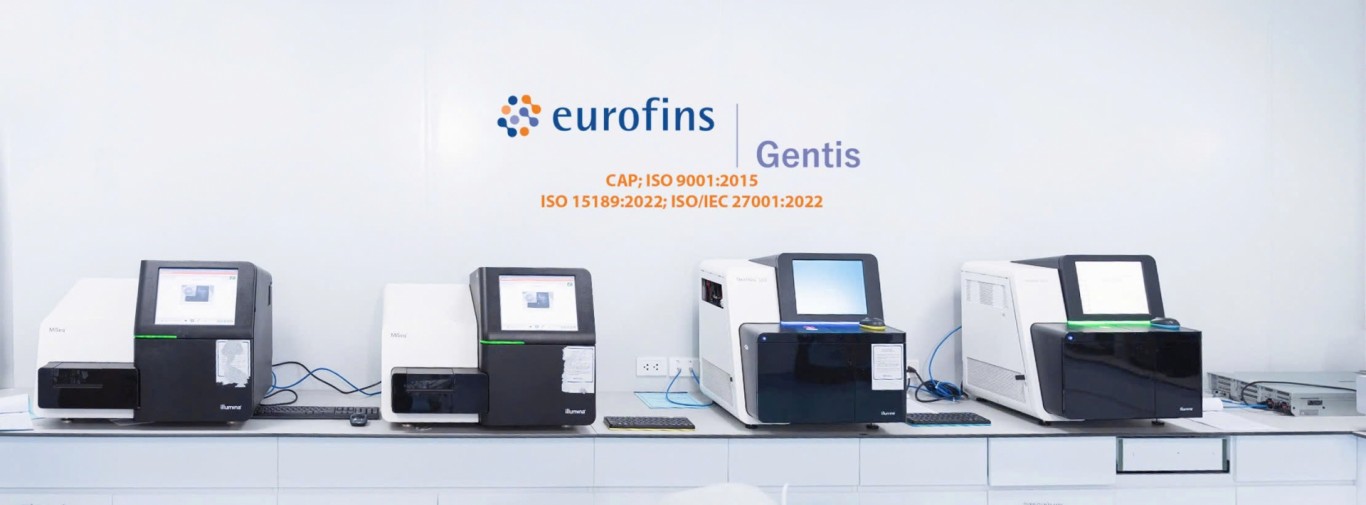
According to Dr. Nguyen Huy Dong, LC-MS/MS (liquid chromatography – tandem mass spectrometry) is currently considered the “gold standard” in newborn screening for metabolic disorders. A key advantage of this method is its ability to simultaneously analyze dozens of biochemical markers from a single sample, expanding disease detection capacity and improving screening efficiency.
Unlike traditional methods that focus on only a few biomarkers, LC-MS/MS enables comprehensive evaluation of metabolite groups such as amino acids and acylcarnitines. This is particularly important because IEM disorders often present complex biochemical patterns involving multiple metabolic pathways in the body.
However, the diversity and complexity of the data also require more advanced analysis and interpretation. Relying on a single indicator may lead to inaccuracies, missed diagnoses, or increased false-positive rates. Therefore, modern approaches require evaluating data in an integrated manner, based on characteristic disease models for each disorder.
Challenges in interpreting IEM test results
Currently, more than 100 inborn errors of metabolism have been identified, each with its own distinct “biochemical signature.” This means laboratory specialists must possess extensive knowledge and practical experience to accurately recognize abnormal patterns.
In practice, result interpretation still largely depends on individual expertise, which may lead to inconsistencies between institutions or even among individuals within the same organization. In addition, factors such as sample quality, gestational age, sampling time, and the child’s nutritional status can affect test results, further increasing the complexity of evaluation.
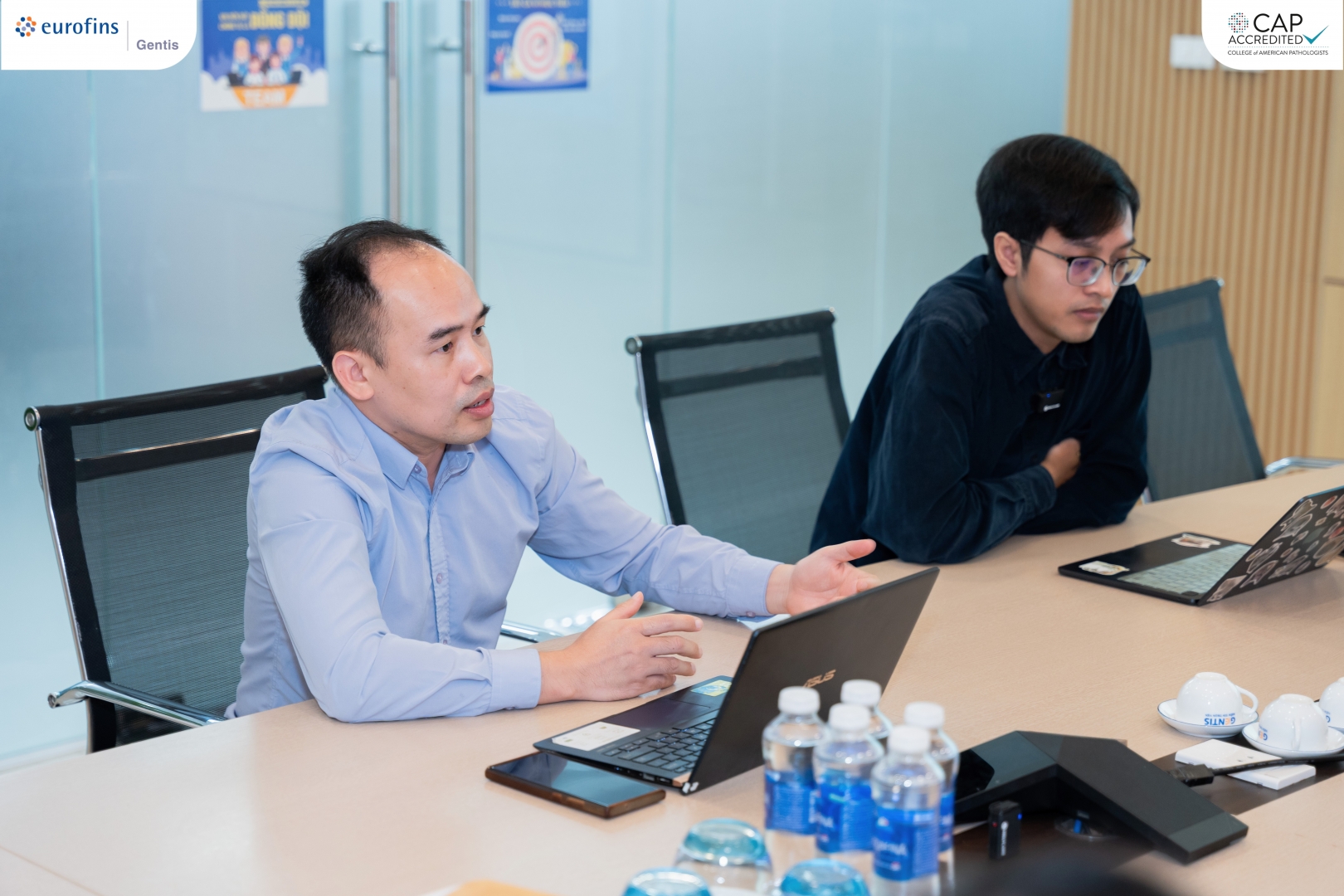
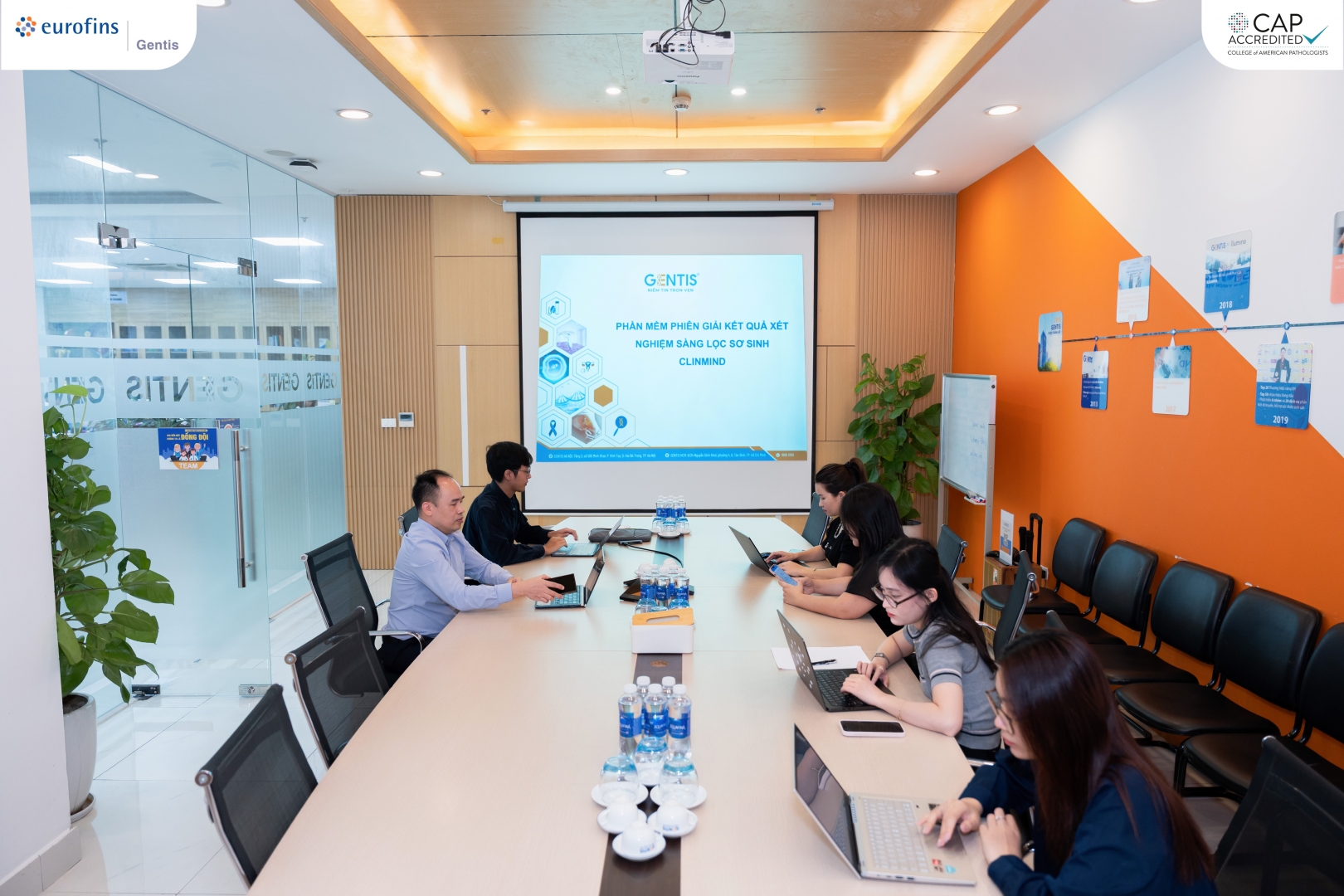
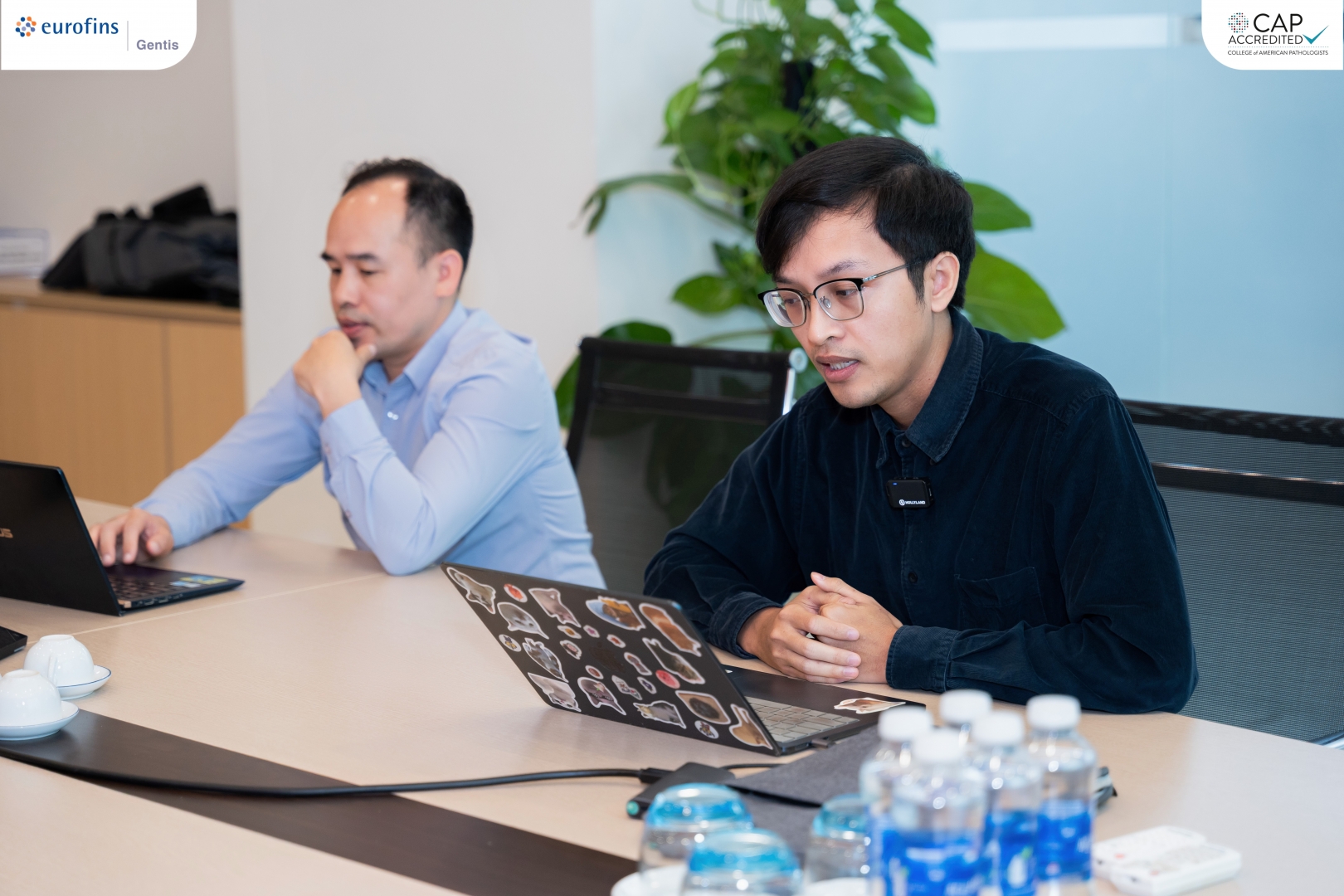
Therefore, the need for an automated interpretation support tool that can standardize and integrate data is becoming increasingly essential. This is also the reason Eurofins GENTIS implemented training on Clinmind software—a technological solution that supports systematic and scientific analysis and interpretation of newborn screening results.
Clinmind – a solution to improve accuracy and consistency
Clinmind software is designed to support experts in analyzing LC-MS/MS data through a multidimensional approach. Instead of focusing on individual indicators, the system allows simultaneous evaluation of multiple parameters, thereby building analysis models suitable for each disease group.
Within the training program, Eurofins GENTIS staff were guided in detail on approaches in newborn screening, including:
Single analyte analysis
This is the basic method in which the concentration of a primary metabolite is measured and compared with a normal threshold (cut-off). It is simple and easy to apply but has limitations in sensitivity and specificity. In addition, cut-off thresholds may need adjustment depending on factors such as sample quality, gestational age, sampling time, and the child’s nutritional status.
Dual analyte analysis
To overcome the limitations of single analyte analysis, combining two biochemical indicators is used to improve sensitivity and specificity. Evaluating the correlation between two metabolites enhances the ability to distinguish between normal and abnormal cases, thereby improving screening effectiveness.
Multiple analyte analysis
This is the most advanced method, allowing simultaneous measurement of multiple amino acids and acylcarnitines in a single sample. By analyzing overall indicators, this approach significantly reduces false-positive rates and increases result reliability. It also enables the detection of multiple conditions in a single test.
Through the application of Clinmind, data from these three approaches can be integrated and analyzed systematically, leading to more accurate and consistent conclusions.
Enhancing team capacity – a foundation for sustainable development
The training program not only helps Eurofins GENTIS staff master the use of the software but also strengthens their expertise in inborn metabolic disorders and modern approaches in newborn screening.
This is part of the company’s long-term strategy to build a highly capable team that meets the increasingly stringent requirements of genetic testing and genomic medicine. Continuous updates in knowledge and technology help ensure service quality and enhance the company’s reputation within the medical community.
Commitment to innovation and technology application
With a sustainable development orientation, Eurofins GENTIS continuously invests in research, development, and the application of advanced technological solutions. The implementation of Clinmind training demonstrates the company’s commitment to improving testing quality and optimizing result interpretation processes.
In the future, Eurofins GENTIS will continue to expand collaboration with domestic and international partners to deliver more comprehensive solutions in genetic testing. At the same time, the company aims to build a precision medicine ecosystem where genetic data is effectively utilized for diagnosis, treatment, and disease prevention.
The Clinmind training program is not only an internal capacity-building activity but also an important step toward standardizing and modernizing newborn screening processes at Eurofins GENTIS. By combining advanced technology with deep expertise, the company is gradually strengthening its position in the field of genetic testing and genomic medicine in Vietnam.
In the context of increasingly personalized medicine, such efforts will play a vital role in improving community healthcare quality, especially in protecting the health of future generations from the earliest days of life.