
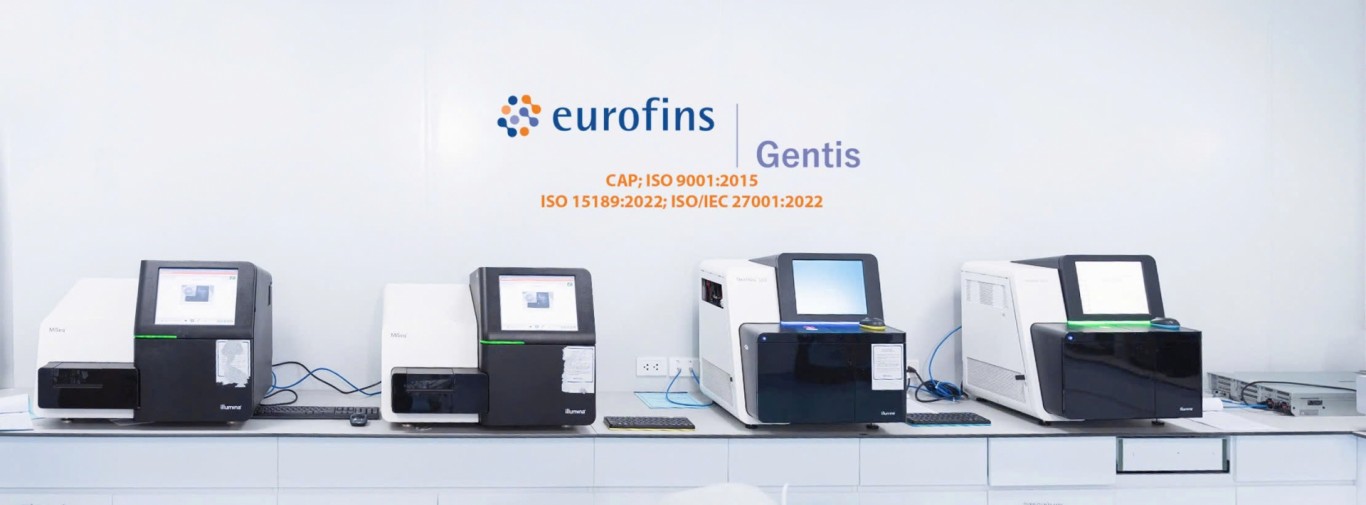
Understanding this need, Eurofins GENTIS has developed a comprehensive, scientific, and specialized genetic testing ecosystem for reproductive support. This system is designed to accompany couples at every stage – from preconception, through assisted reproduction, to pregnancy monitoring – helping optimize the chances of having a healthy baby.
Testing for both partners – the foundation for a strong start
Before beginning the journey to parenthood, a comprehensive assessment of reproductive health and genetic risks for both partners is essential. This is a critical first step to detect early abnormalities that may affect fertility or be passed on to the next generation.
Testing for men focuses on evaluating sperm quality, genetic structure, and fertility-related factors. Key tests include:
- AZF: detects Y chromosome microdeletions – a common cause of male infertility
- Sperm DNA fragmentation: evaluates DNA damage in sperm
- Ultragen: screens for genetic disorders
- CFTR gene: identifies risks related to cystic fibrosis
- Karyotyping: detects chromosomal abnormalities in number and structure
- Thalassemia screening
- Carrier screening panel of 28 recessive genes
Testing for women not only evaluates fertility but also identifies factors that may affect pregnancy:
- AMH: assesses ovarian reserve
- HPV: screens for viruses causing
- Cervical cancer
- Karyotyping
- Thalassemia screening
- STDs: screening for sexually transmitted diseases
- FSHR gene: related to ovarian stimulation response
- NK test: evaluates immune cell activity
- Thrombophilia: assesses inherited clotting disorders
- Ultragen
- Carrier screening panel of 28 recessive genes
Completing these tests provides doctors with a comprehensive understanding, enabling them to design the most appropriate and personalized treatment and reproductive support plan for each couple.
Embryo testing and implantation conditions – optimizing success rates
In modern assisted reproductive techniques such as in vitro fertilization (IVF), selecting healthy embryos and ensuring optimal uterine conditions are key factors determining success.
Embryo testing at Eurofins GENTIS analyzes the genetic material of embryos before transfer, helping select those with the best developmental potential:
- PGT-A/SR: screens for chromosomal number and structural abnormalities
- PGT-M: detects single-gene disorders
- PGT-One, PGT-MAX 1, PGT-NEXT,
- PGT-Upgrade, PGT-FAST: optimized testing packages based on different needs
- ASEM test (non-invasive PGT): a non-invasive method that minimizes impact on embryos
At the same time, testing for implantation conditions plays an important role in evaluating uterine receptivity:
- Genratest: analyzes gene expression related to embryo implantation
- PMTest: evaluates the implantation window to determine the optimal embryo transfer timing
The combination of embryo testing and uterine condition assessment can significantly improve IVF success rates while reducing the risk of miscarriage or implantation failure.
Maternal and fetal health testing – comprehensive pregnancy protection
After successful conception, monitoring maternal health and fetal development is an essential next step. Tests during this stage help detect early complications and genetic abnormalities in the fetus.
Key tests include:
- Preeclampsia screening: identifies risks of serious pregnancy complications
- Antiphospholipid testing: detects conditions increasing the risk of miscarriage and thrombosis
- NIPT (GenBasic/GenEva): non-invasive prenatal testing to detect common chromosomal abnormalities such as Down syndrome, Edwards syndrome, and Patau syndrome
- Newborn screening
- Pediatric testing
These tests not only protect maternal health but also ensure close monitoring of fetal development, enabling timely intervention when necessary.
Comprehensive support – enhancing the health of future generations
With a diverse and specialized testing ecosystem built for each stage, Eurofins GENTIS provides a comprehensive solution for reproductive support. Beyond testing services, the company also accompanies families through consultation, guidance, and personalized reproductive health planning.
From preconception preparation and IVF support to pregnancy monitoring, each test serves as an important “piece of the puzzle,” contributing to a safer and more complete journey for both mother and baby.
Proactive testing is the best way to protect your child’s future from the very beginning. By understanding health status and genetic risks, couples can make informed decisions with confidence, aiming for a healthy pregnancy and a higher-quality future generation.
For detailed consultation on the appropriate testing pathway, please contact hotline: 1800 2010