News

Specialized news

                        Array
(
    [0] => stdClass Object
        (
            [id] => 1393
            [id_crawler] => 
            [category_product] => NULL
            [thumbnail] => dsc09793.jpg
            [album] => 
            [url_video] => 
            [is_status] => 1
            [is_featured] => 0
            [is_form] => 1
            [displayed_time] => 2025-12-18
            [program] => 0
            [number] => 1
            [viewed] => 0
            [type] => 
            [type_career] => 
            [level] => 
            [address] => 
            [address_career] => 
            [expiration_time] => 0000-00-00
            [created_time] => 2025-12-18 09:02:36
            [updated_time] => 2025-12-18 11:21:18
            [files] => 
            [salary] => 
            [time] => 
            [created_by] => 63
            [is_table_content] => 1
            [language_code] => en
            [slug] => Preimplantation-genetic-testing-A-key-to-improving-IVF-success-and-protecting-future-generations
            [title] => Preimplantation genetic testing: A key to improving IVF success and protecting future generations
            [description] => In recent years, in vitro fertilization (IVF) has become a vital solution helping tens of thousands of Vietnamese couples realize their dream of parenthood. 
            [content] => 

Each year, approximately 50,000 IVF cycles are performed in Vietnam, making the country one of the fastest-growing IVF markets in the region. However, alongside this growth come increasingly evident challenges: how to improve success rates, reduce the number of embryo transfers, optimize treatment costs, and—most importantly—ensure the long-term birth of healthy babies. Advanced genetic solutions are playing a pivotal role, laying the foundation for modern, precise, and sustainable reproductive medicine. IVF success rates vary by center and patient age; they are commonly reported at around 40–50% in younger patient groups and decline significantly with increasing maternal age, as well as other influencing factors such as oocyte and sperm quality, endometrial conditions, and embryo quality.

Preimplantation Genetic Testing (PGT) has become one of the most important tools for enhancing the quality of IVF treatment. PGT enables genetic evaluation of embryos prior to uterine transfer, thereby supporting the selection of embryos with high implantation potential and reducing the risk of genetic abnormalities. At EUROFINS GENTIS, a comprehensive PGT testing system—including PGT-A, PGT-SR, PGT-M, PGT-NEXT, and PGT-UPGRADE—is implemented in an integrated manner, providing physicians and patients with stronger scientific evidence to select optimal embryos, minimize risks, and improve IVF success rates.

PGT-M – Protecting future generations from monogenic genetic disorders

In addition to chromosomal abnormalities, monogenic genetic disorders continue to silently affect the health and happiness of many Vietnamese families. These conditions are often detected only after birth, leading to long-term treatment burdens and significantly impacting the quality of life of families and society as a whole.

Prof. Dr. Nguyen Dinh Tao (Chairman of Hanoi Assisted Reproduction) has highlighted PGT-M at EUROFINS GENTIS as a pioneering solution in early genetic disease prevention strategies. He noted that PGT-M enables accurate detection of known disease-causing mutations identified in parents or within families, allowing for the screening and selection of unaffected embryos prior to transfer. A key strength of PGT-M at EUROFINS GENTIS lies in its closed-loop and highly individualized process, which includes in-depth genetic counseling, identification of disease-related mutations, tailored test strategy design, and embryo genetic analysis using next-generation sequencing (NGS) technology. This solution can be applied to a wide range of genetic disorders, including rare diseases, opening opportunities for healthy childbirth among high-risk couples. Beyond its clinical value in establishing pregnancies unaffected by specific inherited traits—such as known pathogenic variants carried by one or both parents—PGT-M also helps reduce long-term treatment burdens, lower societal healthcare costs, and improve overall population health.

PGT-AI – AI breakthroughs in reproductive genetics

Alongside rapid advances in digital technology, artificial intelligence (AI) and bioinformatics are driving profound changes in reproductive medicine. Beyond genetic data analysis alone, AI enables the integration of multiple data sources—such as embryo imaging, molecular biology data, and clinical factors—thereby generating more accurate predictive models of embryo implantation potential and developmental outcomes.

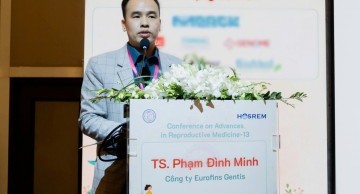
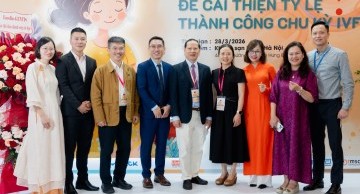
Speaking at the HASAM 2025 conference, Dr. Pham Dinh Minh (R&D Director, EUROFINS GENTIS) introduced a new test researched and piloted by EUROFINS GENTIS: PGT-AI (icOne)—an advanced AI algorithm certified by the FDA, enabling in-depth analysis of embryo genetic data using modern machine learning platforms. This technology overcomes limitations of traditional PGT methods and supports more precise and personalized clinical decision-making for each patient.

Dr. Minh further noted that EUROFINS GENTIS is currently the exclusive partner implementing PGT-AI (icOne) in Vietnam, marking a significant milestone in bringing world-leading medical technologies closer to domestic patients. The combination of AI, bioinformatics, and the extensive expertise of specialist teams has enhanced IVF effectiveness while optimizing treatment costs and patient experience.

International quality management systems – The foundation for PGT accuracy

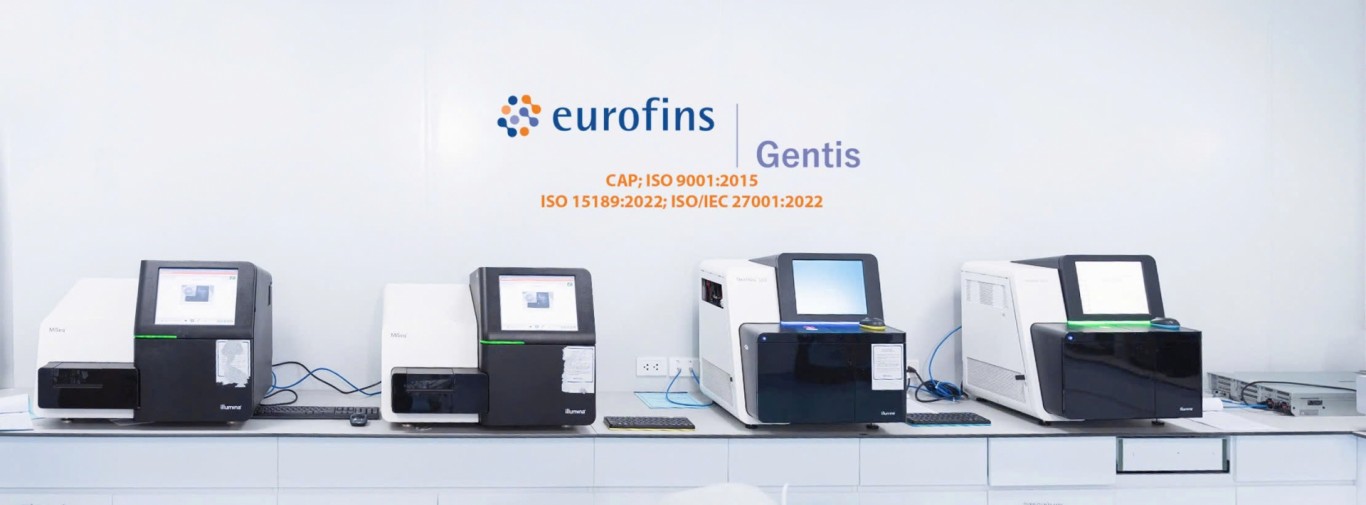
In reproductive genetics, particularly PGT testing, quality management systems play a decisive role in ensuring accuracy and reliability of results, directly influencing embryo selection, IVF treatment outcomes, and the future of each family. According to Dr. Nguyen Quang Vinh (Laboratory Director, EUROFINS GENTIS): “The comprehensive quality management system at EUROFINS GENTIS is built and operated in accordance with strict international standards such as ISO 15189, CAP, and CLSI. This ensures standardization across the entire PGT testing workflow—from receiving embryo biopsy samples, DNA processing, NGS and bioinformatics data analysis, to final reporting. Rigorous control at every step not only minimizes technical errors and ensures consistency and reproducibility of results, but also enhances safety, data security, and traceability, thereby supporting more accurate clinical decision-making.”

Together with internationally accredited laboratories, strict DNA contamination control environments, and highly experienced experts, EUROFINS GENTIS maintains high reliability in PGT testing while establishing a solid foundation for implementing advanced technologies such as PGT-AI—contributing to improved IVF outcomes and strengthening the trust of IVF centers and patients nationwide.

Accompanying the journey to parenthood

Guided by science, technology, and quality, EUROFINS GENTIS not only provides advanced genetic testing services but also serves as a trusted partner to IVF centers and Vietnamese families on their journey toward parenthood. Through the application of modern genetic technologies, EUROFINS GENTIS is steadily contributing to higher IVF success rates, early prevention of genetic diseases, and the sustainable development of reproductive medicine in Vietnam.

[content_more] => [meta_title] => Preimplantation genetic testing: A key to improving IVF success and protecting future generations [meta_description] => Preimplantation Genetic Testing (PGT) has become one of the most important tools for enhancing the quality of IVF treatment. PGT enables genetic evaluation of embryos prior to uterine transfer, thereby supporting the selection of embryos with high implant [meta_keyword] => GENTIS,PGT [thumbnail_alt] => [post_id] => 1393 [category_id] => 15 ) [1] => stdClass Object ( [id] => 1388 [id_crawler] => [category_product] => NULL [thumbnail] => 600x400-web-1.jpg [album] => [url_video] => [is_status] => 1 [is_featured] => 0 [is_form] => 0 [displayed_time] => 2025-12-08 [program] => 0 [number] => 1 [viewed] => 0 [type] => [type_career] => [level] => [address] => [address_career] => [expiration_time] => 0000-00-00 [created_time] => 2025-12-08 09:05:03 [updated_time] => 2025-12-10 15:48:02 [files] => [salary] => [time] => [created_by] => 63 [is_table_content] => 1 [language_code] => en [slug] => Eurofins-GENTIS-participates-in-HASAM-2025-annual-scientific-conference-with-two-in-depth-reports-on-genetics [title] => Eurofins GENTIS participates in HASAM 2025 annual scientific conference with two in-depth reports on genetics [description] => The demand for reproductive healthcare is rising, and assisted reproductive technologies (ART) continue to advance rapidly. As a result, specialized scientific conferences play a crucial role in updating knowledge, strengthening professional networks, and improving treatment outcomes. The HASAM 2025 Annual Scientific Conference once again affirms its position as one of the most reputable professional events in Vietnam in the field of infertility and reproductive medicine. [content] =>

Key highlights

With the theme “Updates on Scientific and Technical Advances to Improve Treatment Outcomes in Infertility”, the conference took place on December 14, 2025, at the National Convention Center (Hanoi), featuring 27 in-depth presentations and the participation of leading experts, doctors, researchers, and representatives from major IVF centers nationwide.

Eurofins GENTIS – a pioneering unit in genetic testing in Vietnam – was honored to accompany the event, aiming to contribute practical scientific value and bring more opportunities to couples hoping to have children.

HASAM 2025 – A prestigious scientific forum for Vietnam’s assisted reproduction field

Over the years, the Annual Scientific Conference of the Hanoi Assisted Reproduction Society (HASAM) has become a meeting place for the IVF community in Vietnam to exchange knowledge, share expertise, and update the latest scientific insights.

This year’s conference places strong emphasis on innovations in assisted reproduction, including:

  • Policies and development directions for assisted reproduction in Vietnam

  • Updates on ESHRE 2025 guidelines for ovarian stimulation

  • Advances in genetic screening, AI applications, and microfluidic technology

  • Optimization of treatment outcomes and individualized IVF protocols

  • Population aging and insights from reproductive medicine specialists

The presence of 27 specialized presentations painted a comprehensive picture of the latest scientific trends, contributing to the sustainable, internationally aligned development of ART in Vietnam.

Eurofins GENTIS proudly contributes two in-depth reports at HASAM 2025

As a member of Eurofins Scientific—a global leader in laboratory testing with more than 900 laboratories in 62 countries—Eurofins GENTIS consistently focuses on raising quality standards and developing advanced genetic applications for infertility treatment.

At HASAM 2025, Eurofins GENTIS presented two specialized reports, demonstrating its strong commitment to research and innovation:

  • Dr. Nguyenn Quang Vinh (Laboratory Director, Eurofins GENTIS): Comprehensive Quality Management of Genetic and Genomic Laboratories in Assisted Reproduction

  • Dr. Pham Dinh Minh (R&D Director, Eurofins GENTIS): Application of AI and Bioinformatics in Preimplantation Genetic Testing (PGT-AI)

Eurofins GENTIS booth – A space for knowledge exchange and genetic technology

Alongside its presentations, Eurofins GENTIS showcased an engaging exhibition booth that attracted widespread attention from experts and attendees. Visitors were introduced to a comprehensive ecosystem of genetic testing services in:

  • Assisted Reproduction: PGT-A/SR, PGT-M (100+ rare diseases), PGT-Upgrade, PGT-Next, Karyotype, …

  • Obstetrics: NIPT, double test, triple test, GEN9, preeclampsia screening,...

  • Andrology: Sperm DNA fragmentation, AZF testing, CFTR, …

  • Clinical Genetics: Genetic disease panels, comprehensive gene panels, Whole Exome Sequencing (WES), Whole Genome Sequencing (WGS)

The booth also featured an exciting mini-game program with various gifts for delegates visiting the Eurofins GENTIS area. It served as a space for in-depth discussions between Eurofins GENTIS experts and doctors, embryologists, and IVF specialists from centers across the country.

Through this activity, Eurofins GENTIS aims to promote scientific value, share knowledge, and accompany the medical community in improving reproductive healthcare quality in Vietnam.

Commitment to enhancing Vietnamese health and well-being

With the mission “Improving the Intelligence and Physical Well-being of Vietnamese People”, Eurofins GENTIS continuously strives to apply modern technologies in genetic testing to meet the increasing needs of assisted reproduction, providing practical value that helps couples increase their chances of welcoming healthy babies.

Its participation in HASAM 2025 once again reaffirms Eurofins GENTIS's commitment to supporting the medical community, advancing research, and bringing cutting-edge technologies closer to Vietnamese people.

Eurofins GENTIS respectfully invites doctors, experts, and attendees to visit our booth at HASAM 2025 on Sunday, December 14, 2025, at the National Convention Center, Hanoi.

[content_more] => [meta_title] => Eurofins GENTIS participates in HASAM 2025 annual scientific conference with two in-depth reports on [meta_description] => The demand for reproductive healthcare is rising, and assisted reproductive technologies (ART) continue to advance rapidly. As a result, specialized scientific conferences play a crucial role in updating knowledge, strengthening professional networks, and [meta_keyword] => GENTIS,Hasam 2025 [thumbnail_alt] => [post_id] => 1388 [category_id] => 15 ) [2] => stdClass Object ( [id] => 1387 [id_crawler] => [category_product] => NULL [thumbnail] => ivf08616.jpg [album] => [url_video] => [is_status] => 1 [is_featured] => 0 [is_form] => 1 [displayed_time] => 2025-12-12 [program] => 0 [number] => 1 [viewed] => 0 [type] => [type_career] => [level] => [address] => [address_career] => [expiration_time] => 0000-00-00 [created_time] => 2025-12-04 08:33:25 [updated_time] => 2025-12-04 14:44:05 [files] => [salary] => [time] => [created_by] => 63 [is_table_content] => 1 [language_code] => en [slug] => EUROFINS-GENTIS-conducts-technical-collaboration-at-Dong-Do-hospital-updates-on-ASEM-testing-in-assisted-reproduction [title] => EUROFINS GENTIS conducts technical collaboration at Dong Do hospital: updates on ASEM testing in assisted reproduction [description] => On November 28, the expert delegation from EUROFINS GENTIS, including Dr. Nguyen Quang Vinh (Director of the Genetic Counseling Center) and Dr. Pham Dinh Minh (Director of R&D), held a technical working session at Dong Do Hospital with the participation of the hospital’s reproductive medicine (IVF) team. This collaborative activity between EUROFINS GENTIS and Dong Do Hospital aimed to update the latest advances in genetic testing, thereby improving treatment outcomes for families struggling with infertility. The session not only facilitated academic exchange but also opened up new directions for long-term cooperation in the future. [content] =>

The meeting was attended by Dr. Tang Duc Cuong (Specialist Level II) – Director of Dong Do IVF Center, MSc. Dr. Ngo Thi Diem – Head of the Obstetrics Department, along with physicians, nurses, and laboratory technicians from the hospital.

During the discussion, Dr. Nguyen Quang Vinh presented an overview of the cell-free DNA PGT (ASEM test), a non-invasive embryo culture medium-based genetic test currently attracting attention in the field of IVF. He explained that this technique analyzes cell-free DNA (cfDNA) released from embryonic cells through apoptosis or necrosis, originating from both the inner cell mass (ICM) and the trophectoderm. However, to ensure accuracy, it is crucial to completely eliminate maternal granulosa or cumulus cells, as contamination with exogenous DNA can significantly affect the results.

Dr. Vinh also addressed several studies comparing the concordance between cfDNA in the culture medium and traditional biopsy samples such as TE, ICM, or cord blood, providing a comprehensive view of the test’s clinical potential. He emphasized that laboratory procedures in the IVF unit play a decisive role in sample quality—from thoroughly removing surrounding cells after fertilization, changing culture medium on Day 3, washing embryos carefully on Day 4, to culturing embryos in a 20 µl drop from the afternoon of Day 4 to Day 5 for at least 22 hours to obtain sufficient DNA. When the embryo reaches Day 5/Day 6, the technician collapses the embryo and collects the entire medium into a PCR tube with a preservation buffer, ensuring tip changes between samples and storing at -20°C to -80°C before analysis.

The ASEM test can detect aneuploidies of 22 autosomes, large structural abnormalities greater than 40Mb, and can report mosaicism at levels of 50% or higher. Results are available within approximately 7 days. Based on analytical data, experts provided clinical suggestions such as considering the transfer of 46XX embryos, with 46XY embryos being more strongly recommended, while embryos carrying abnormalities such as -1q or -15 deletions are generally not advised for transfer. Dr. Vinh concluded by stressing that ASEM technology only delivers real value when embryo culture, washing, and medium collection processes in the IVF laboratory are meticulously executed, as precision in every step determines the reliability and clinical relevance of the test results.

The session provided in-depth knowledge and important updates, contributing to Dong Do Hospital’s application of advanced genetic technologies to improve the effectiveness of assisted reproductive treatments.

Beyond theoretical presentation, Dr. Nguyen Quang Vinh also addressed clinicians’ questions regarding real clinical cases. These detailed analyses helped the Dong Do medical team better understand the coordination process between the IVF laboratory, IVF center, and testing unit to optimize patient outcomes.

Continuing the session, Dr. Vinh emphasized EUROFINS GENTIS’s development direction in implementing new technologies, expanding collaboration with IVF centers, and enhancing testing quality according to international standards. Dong Do Hospital highly appreciated the expert team’s updated insights and reaffirmed its readiness to collaborate in improving assisted reproductive care.

Concluding the exchange, Dr. Tang Đuc Cuong expressed his gratitude to the EUROFINS GENTIS delegation. He highlighted that the updated knowledge on ASEM testing not only helps clinicians better understand the potential of modern genetic techniques but also opens new approaches for optimizing embryo selection in difficult IVF cases. He affirmed that Dong Do Hospital is committed to closely cooperating with EUROFINS GENTIS to standardize procedures, enhance sample quality, and progress toward adopting ASEM as an important clinical support tool in the near future. According to Dr. Cương, this partnership will bring practical benefits to patients, especially infertile couples hoping for a chance to become parents.

The session concluded in an open and collaborative atmosphere. The event reaffirmed EUROFINS GENTIS’s commitment to providing precise, modern, and effective testing solutions, contributing to increasing the chances of parenthood for thousands of Vietnamese families.


[content_more] => [meta_title] => EUROFINS GENTIS conducts technical collaboration at Dong Do hospital: updates on ASEM testing in ass [meta_description] => On November 28, the expert delegation from EUROFINS GENTIS, including Dr. Nguyen Quang Vinh (Director of the Genetic Counseling Center) and Dr. Pham Dinh Minh (Director of R&D), held a technical working session at Dong Do Hospital with the participation o [meta_keyword] => GENTIS [thumbnail_alt] => [post_id] => 1387 [category_id] => 15 ) [3] => stdClass Object ( [id] => 1383 [id_crawler] => [category_product] => NULL [thumbnail] => phat-hien-bat-thuong-gioi-tinh-tu-xet-nghiem-huyet-thong-4.jpg [album] => [url_video] => [is_status] => 1 [is_featured] => 0 [is_form] => 0 [displayed_time] => 2025-11-25 [program] => 0 [number] => 1 [viewed] => 0 [type] => [type_career] => [level] => [address] => [address_career] => [expiration_time] => 0000-00-00 [created_time] => 2025-11-25 09:02:49 [updated_time] => 2025-11-28 08:46:30 [files] => [salary] => [time] => [created_by] => 63 [is_table_content] => 1 [language_code] => en [slug] => Detecting-sex-abnormalities-through-paternity-testing [title] => Detecting sex abnormalities through paternity testing [description] => In medicine, research on sex abnormalities in both males and females has produced many scientific publications based on different research and testing methods, not only after birth but even during pregnancy. However, in this article, we would like to share several cases of sex abnormalities that were detected during paternity testing. [content] =>

Case 1

The abnormality was discovered when a foreign man came to Eurofins Gentis to undergo an administrative father–child DNA test for birth registration and citizenship procedures. Based on the documents provided by the customer, the father was 36 years old, the child was a 5-month-old male, and the mother was a 20-year-old Vietnamese woman.

The testing was conducted according to standard procedures, and the results confirmed that the tested man and the child had a biological father–son relationship. The unusual point lay in the child’s sex. When analyzed using the 24-marker PowerPlex Fusion Kit, including Amelogenin and DYS391 for sex differentiation, the child’s genotype showed only XX at Amelogenin and no allele at DYS391, indicating a female genotype (see Peak image).

To establish a basis for concluding a sex abnormality, the company coordinated with the family to carry out a clinical examination, which confirmed that the child’s phenotype was male with clearly developed external genitalia.

Additionally, another test was performed to ensure accuracy: an analysis of the Y chromosome using the PowerPlex Y23 Kit. The results showed no Y-haplotype alleles at all (see Peak image).

Based on these findings, the company’s scientific council concluded that the child had 46, XX male syndrome (also known as XX Male Syndrome).

The cause of this phenomenon is unequal crossing-over between the Y chromosome and the X chromosome during the father’s meiosis. As a result, the X chromosome carries the SRY gene (the sex-determining gene). This occurs at the terminal region of the short arms of the X and Y chromosomes, where the SRY gene is normally located on the Y chromosome. When an X chromosome containing SRY combines with a normal maternal X chromosome at fertilization, it produces a 46, XX male genotype.

46, XX male syndrome occurs in approximately 1 in 20,000 newborn males, and individuals with this syndrome are infertile.

Case 2

A 42-year-old man visited the company with his 4-year-old son to request an administrative DNA test for father–son relationship verification. When asked why he wanted the test, he said he had a feeling the boy was not his because the child did not resemble him or his paternal relatives. His suspicion was emotional rather than factual—for accuracy, only DNA testing could provide an answer. Every customer has their own reasons for testing, often impossible to fully express.

Two days later, the results were completed. When he returned and learned that he and the boy were not biologically related, he fell silent for a moment, thanked the staff, and left.

About a week later, he returned again—this time with a prepared sample, stating it belonged to his 7-year-old daughter, and requested a comparison with his earlier sample. The results were astonishing: the daughter also had no biological relationship with him. Thus, both children he had tested were not his biological offspring.

Given the complicated circumstances, the scientific council analyzed the case carefully, especially because the Peak data at sex-related markers showed abnormalities. They decided to conduct an additional analysis using an X-test kit. The results revealed that the man had an XXY genotype, also known as Klinefelter syndrome (see Peak image).

The Peak chart clearly showed a male genotype (XY) at Amelogenin. However, most X-STR markers displayed two alleles (heterozygous), indicating two X chromosomes, while some X-STR markers showed a single peak (homozygous).

Klinefelter syndrome (XXY) occurs in males due to an extra X chromosome—typical males have XY. The syndrome arises randomly during gamete formation due to nondisjunction of sex chromosomes during meiosis. It occurs in approximately 1 in 500–1000 newborn males.

Males with XXY syndrome are typically infertile. Therefore, the fact that neither child was biologically related to him is understandable, and only the children’s mother would know who their biological father truly is.

Colonel Hà Quốc Khanh

[content_more] => [meta_title] => Detecting sex abnormalities through paternity testing [meta_description] => In medicine, research on sex abnormalities in both males and females has produced many scientific publications based on different research and testing methods, not only after birth but even during pregnancy. [meta_keyword] => GENTIS [thumbnail_alt] => [post_id] => 1383 [category_id] => 15 ) [4] => stdClass Object ( [id] => 1382 [id_crawler] => [category_product] => NULL [thumbnail] => rabbit_media-5312.jpg [album] => [url_video] => [is_status] => 1 [is_featured] => 0 [is_form] => 0 [displayed_time] => 2025-11-24 [program] => 0 [number] => 1 [viewed] => 0 [type] => [type_career] => [level] => [address] => [address_career] => [expiration_time] => 0000-00-00 [created_time] => 2025-11-24 14:09:31 [updated_time] => 2025-11-28 08:59:55 [files] => [salary] => [time] => [created_by] => 63 [is_table_content] => 1 [language_code] => en [slug] => Eurofins-GENTIS-congratulates-the-20th-annual-HOSREM-scientific-conference-on-its-great-success [title] => Eurofins GENTIS congratulates the 20th annual HOSREM scientific conference on its great success [description] => On November 23, 2025, the 20th Annual HOSREM scientific conference took place at the Equatorial Hotel in Ho Chi Minh City, attracting a large number of doctors and experts in reproductive endocrinology, assisted reproduction, and embryology from across the country. Eurofins GENTIS was honored to accompany the event as a Sponsor, contributing to a well-organized, high-quality conference rich in scientific value. [content] =>

HOSREM – 20 years of building a prestigious scientific forum in reproductive endocrinology and infertility

The Ho Chi Minh City Society for Reproductive Endocrinology and Infertility (HOSREM) has spent 20 years building a mission-driven platform that provides a professional, up-to-date scientific environment for clinicians in obstetrics, gynecology, and assisted reproduction. Over two decades, the Annual HOSREM Scientific Conference has become an indispensable event for healthcare professionals, as it brings together advanced knowledge from leading experts, high-quality research reports, and the latest trends in the field both domestically and internationally. It is also a valuable space for networking, learning, and strengthening professional collaboration.

This year’s 20th conference continued to uphold its high standards, featuring a well-structured program with 5 scientific sessions, 20 specialized presentations, and 5 research-focused posters. The topics ranged from familiar clinical issues to cutting-edge techniques, meeting the diverse learning needs of the medical community.

Eurofins GENTIS: professional companion of the conference

As one of Vietnam’s leading genetic testing providers, Eurofins GENTIS is proud to once again accompany HOSREM—not only as a sponsor but also as a bridge bringing advanced genetic solutions closer to clinicians and experts in assisted reproduction and obstetrics. At this year’s conference, Eurofins GENTIS was honored to contribute professional data supporting the key scientific report delivered by Assoc. Prof. Dr. Trinh The Son (Director, Clinical Embryology Institute – Military Medical Academy), titled: “Genetic Causes and Assisted Reproduction in Azoospermia Patients.”

The report provided an in-depth analysis of the role of genetic testing in diagnosing azoospermia, covering gene mutations, Y-chromosome microdeletions, and other genetic abnormalities affecting spermatogenesis. Modern testing data from Eurofins GENTIS played a crucial role in case analysis and evidence presentation, enhancing the report’s scientific value and receiving positive feedback from attendees.

Eurofins GENTIS exhibition Booth – A highlight for many delegates

Alongside scientific activities, Eurofins GENTIS brought to the conference a modern, visually engaging booth showcasing a comprehensive range of genetic testing services in reproductive medicine and obstetrics. The booth attracted strong interest from doctors, embryologists, and healthcare professionals thanks to features such as:

  • Introduction of advanced genetic testing solutions: PGT-A/PGT-SR, PGT-M (100+ rare diseases), PGT Upgrade, PGT Next, reproductive hormone assessment tests, preconception genetic screening, high-tech NIPT, genetic tests related to male infertility, and more
  • Expert consultations from a knowledgeable and experienced team
  • Direct discussions on clinical applications to help doctors optimize testing indications

Beyond technical information, the Eurofins GENTIS booth also brought a lively atmosphere to the conference through mini-games and appreciation gifts for delegates. This was also an opportunity for GENTIS to connect and gather valuable feedback from clinicians to improve future services.

Commitment to advancing reproductive healthcare in Vietnam

Eurofins GENTIS continues to strive to bring cutting-edge genetic technologies to Vietnam, enhancing testing quality and improving the effectiveness of assisted reproduction. Our presence at the 20th HOSREM Conference reflects our ongoing commitment to supporting the development of the healthcare sector.

We believe that when applied appropriately, genetic testing solutions can help clinicians optimize infertility treatment protocols, improve embryo quality, increase IVF success rates, reduce pregnancy risks through early screening, and support clinical decision-making based on scientific evidence—ultimately contributing to better population health and community well-being.

The strong interest from delegates visiting the Eurofins GENTIS booth is an important motivation for us to continue researching, innovating, and expanding high-quality genetic services for the Vietnamese community.

The 20th Annual HOSREM Scientific Conference concluded with meaningful scientific highlights, open discussions, and valuable professional connections. Eurofins GENTIS extends our sincere thanks to the HOSREM Organizing Committee, chairpersons, speakers, and all delegates for contributing to the overall success of the event.

We believe that the knowledge shared during the conference, together with the genetic solutions presented at the Eurofins GENTIS booth, will provide practical support for clinicians nationwide in examination and treatment. This is the core value that GENTIS consistently pursues: accompanying medical professionals and elevating reproductive healthcare in Vietnam.

Eurofins GENTIS once again congratulates the HOSREM 20th Annual Scientific Conference on its outstanding success! We look forward to meeting you again at upcoming major scientific events across the country.

[content_more] => [meta_title] => Eurofins GENTIS congratulates the 20th annual HOSREM scientific conference on its great success [meta_description] => On November 23, 2025, the 20th Annual HOSREM scientific conference took place at the Equatorial Hotel in Ho Chi Minh City, attracting a large number of doctors and experts in reproductive endocrinology, assisted reproduction, and embryology from across th [meta_keyword] => GENTIS,HOSREM [thumbnail_alt] => [post_id] => 1382 [category_id] => 15 ) [5] => stdClass Object ( [id] => 1380 [id_crawler] => [category_product] => NULL [thumbnail] => 583886482_1245783690902579_3797177799609396580_n.jpg [album] => [url_video] => [is_status] => 1 [is_featured] => 0 [is_form] => 1 [displayed_time] => 2025-11-18 [program] => 0 [number] => 1 [viewed] => 0 [type] => [type_career] => [level] => [address] => [address_career] => [expiration_time] => 0000-00-00 [created_time] => 2025-11-18 10:48:14 [updated_time] => 2025-11-18 10:51:36 [files] => [salary] => [time] => [created_by] => 63 [is_table_content] => 0 [language_code] => en [slug] => Genetics-in-assisted-reproduction-breakthroughs-bringing-new-hope-to-infertile-couples [title] => Genetics in assisted reproduction – breakthroughs bringing new hope to infertile couples [description] => Over the years, infertility has become one of the major concerns of modern medicine. Statistics show that as many as 12.6% of couples worldwide face difficulties in conceiving. The causes may stem from the husband, the wife, both partners, or in some cases cannot be clearly identified. However, alongside advances in assisted reproductive technologies (ART), particularly the groundbreaking applications of genetics, the journey to parenthood for infertile couples is now more hopeful than ever. [content] =>

From fundamental techniques such as in vitro fertilization, medicine has continuously achieved remarkable progress. One of the most significant milestones is the application of genetics in assisted reproduction—allowing doctors not only to create embryos but also to select the healthiest ones, thereby increasing the chances of success.

According to Assoc. Prof. Dr. Trinh The Son – Director of the Military Clinical Embryology Institute, Vietnam Military Medical Academy – genetics now plays a pivotal role in the field of assisted reproduction. Through genetic and chromosomal analyses, doctors can identify the root causes of infertility at the deepest biological levels, detecting chromosomal abnormalities such as Klinefelter syndrome, Turner syndrome, or AZF microdeletions in men, as well as gene mutations that may lead to vas deferens obstruction or premature ovarian failure. More importantly, genetic information enables personalized treatment regimens tailored to each patient’s genetic characteristics.

One of the most prominent achievements in this field is preimplantation genetic testing (PGT). This technique allows doctors to select embryos with normal chromosomal makeup and eliminate those carrying abnormalities that may lead to miscarriage or genetic disorders. PGT includes several types such as PGT-A, PGT-M, and PGT-SR. PGT-A helps detect abnormalities in chromosome numbers, such as Down syndrome; PGT-M is used for couples carrying genetic diseases like Thalassemia or cystic fibrosis to ensure only embryos without the disease-causing gene are transferred; while PGT-SR helps detect structural chromosomal abnormalities such as translocations or inversions, proving particularly valuable in cases of recurrent miscarriage or unexplained infertility.

Beyond these, scientists are researching and applying non-invasive screening methods, notably niPGT – a technique analyzing cell-free DNA in embryo culture media, eliminating the need for embryo biopsy and improving embryo safety during development.

In addition, the emergence of advanced tests such as PGT NEXT, PGT UPGRADE, WES, and WGS is significantly improving success rates in assisted reproduction. PGT NEXT enables comprehensive chromosomal assessment of embryos, detecting aneuploidy, mono- and polyploidy, as well as structural abnormalities, while using SNP analysis to prevent sample mix-ups and accurately identify healthy diploid embryos. PGT UPGRADE goes a step further by detecting embryos carrying balanced translocations inherited from parents—a common cause of recurrent miscarriage—allowing doctors to select embryos without such abnormalities and improving the chances of a healthy pregnancy for couples with chromosomal translocations.

Meanwhile, WES (whole exome sequencing) and WGS (whole genome sequencing) open the door to identifying rare, complex, or previously unknown mutations related to infertility. WES examines more than 22,000 coding genes—where most disease-causing variants are concentrated—while WGS provides the most comprehensive genomic overview, helping doctors uncover deep-seated causes in difficult cases, thereby personalizing treatment plans and optimizing patient success rates.

Artificial intelligence and big data analytics are also becoming powerful tools for selecting embryos with the highest developmental potential. AI systems can analyze thousands of data points on embryo morphology and development speed to suggest the healthiest embryo, significantly increasing success rates for infertile couples.

Genetics not only enhances the effectiveness of infertility treatment but also aims toward selecting healthy embryos, ensuring precise treatment, and preventing genetic diseases. Assoc. Prof. Dr. Trinh The Son emphasizes that it is essential to approach these technologies with humanity and responsibility so that science truly serves human happiness.

On the journey toward parenthood, each advancement in genetic medicine is a beacon of hope—illuminating the dreams of millions of infertile families and bringing them closer to the “miracle of life.”

[content_more] => [meta_title] => Genetics in assisted reproduction – breakthroughs bringing new hope to infertile couples [meta_description] => Over the years, infertility has become one of the major concerns of modern medicine. Statistics show that as many as 12.6% of couples worldwide face difficulties in conceiving. [meta_keyword] => GENTIS,PGT,WES,WGS [thumbnail_alt] => [post_id] => 1380 [category_id] => 15 ) [6] => stdClass Object ( [id] => 1379 [id_crawler] => [category_product] => NULL [thumbnail] => hoi-nghi-khoa-hoc-hosrem-lan-thu-20.jpg [album] => [url_video] => [is_status] => 1 [is_featured] => 0 [is_form] => 0 [displayed_time] => 2025-11-17 [program] => 0 [number] => 1 [viewed] => 0 [type] => [type_career] => [level] => [address] => [address_career] => [expiration_time] => 0000-00-00 [created_time] => 2025-11-17 14:25:06 [updated_time] => 2025-11-21 10:09:07 [files] => [salary] => [time] => [created_by] => 63 [is_table_content] => 1 [language_code] => en [slug] => Eurofins-GENTIS-accompanies-the-20th-annual-HOSREM-scientific-conference [title] => Eurofins GENTIS accompanies the 20th annual HOSREM scientific conference [description] => On November 23, 2025, the 20th Annual HOSREM Scientific Conference will officially take place at the Equatorial Hotel in Ho Chi Minh City, marking an important milestone for one of the most prestigious scientific forums in the fields of obstetrics–gynecology and reproductive health in Vietnam. This year, Eurofins GENTIS is honored to join the conference as the main sponsor, offering a wide range of professional activities and meaningful interactions for attending delegates. [content] =>

HOSREM – 20 Years of Knowledge Building and Expert Connection

The HOSREM Annual Scientific Conference is a reputable forum in obstetrics–gynecology and reproductive health, where the latest knowledge and advances are shared by leading experts. Over the past 20 years, HOSREM has grown into a major scientific event, gathering numerous delegates from hospitals and medical centers across the country.

Beyond being a venue for updating specialized knowledge, HOSREM serves as a bridge connecting scientific research, clinical experience, and practical applications in reproductive healthcare. Throughout its 20 editions, HOSREM has consistently remained a trusted platform for academic exchange and for sharing the latest medical advancements. It also promotes collaboration among hospitals, medical centers, and research institutes both domestically and internationally. In addition, HOSREM inspires innovation and encourages the integration of technology into reproductive healthcare in Vietnam.

This year's conference continues to bring together leading experts from major hospitals, reproductive centers, laboratories, and healthcare organizations nationwide, offering a comprehensive and in-depth picture of the current landscape in obstetrics and gynecology.

2025 Conference Themes: Addressing Key Issues in Clinical Practice

The 20th HOSREM Conference will focus on practical and highly relevant topics in obstetrics, gynecology, and assisted reproduction. This year’s program highlights common and critical issues in clinical practice, featuring engaging presentations by seasoned experts and physicians, promising valuable updates and insights for all attendees.

A major highlight of this year’s event is the participation of top Vietnamese specialists in IVF, fetal medicine, medical genetics, and reproductive healthcare. They will present up-to-date research findings, unique clinical cases, and emerging trends that help improve treatment outcomes.

In addition to scientific presentations, open discussion sessions will offer delegates the opportunity to exchange experiences, share clinical challenges, and explore feasible solutions for patients in today’s context.

Eurofins GENTIS – Partnering with HOSREM for a future of comprehensive reproductive health

With the mission “Enhancing the Physical and Intellectual Well-being of Vietnamese People,” Eurofins GENTIS joins HOSREM 2025 as a main sponsor, bringing advanced genetic solutions that support obstetrics and assisted reproduction.

Over the years, Eurofins GENTIS has continuously improved testing quality by adopting cutting-edge technologies from Eurofins Scientific—one of the world’s largest laboratory groups. GENTIS’s specialized genetic tests play a significant role in:

  • Optimizing IVF cycles through embryo genetic assessments (PGT-A/PGT-SR, PGT-M for 100+ rare diseases, PGT-Upgrade, PGT-Next).
  • Preconception carrier screening for couples to reduce the risk of passing on genetic disorders.
  • Non-invasive prenatal testing (NIPT) for early detection of chromosomal abnormalities in the first trimester.
  • Testing to evaluate treatment responsiveness in infertility, helping physicians develop tailored protocols.

Eurofins GENTIS firmly believes that integrating genetic testing into clinical practice not only improves treatment efficacy but also gives families the chance to welcome healthy babies while reducing risks and healthcare burdens.

Eurofins GENTIS Booth – A Highlight of the Conference

At this year’s conference, the Eurofins GENTIS booth is designed to provide a friendly and modern space where delegates can:

  • Receive direct consultation from experts on genetic testing for obstetrics and assisted reproduction.
  • Access the latest updates on the company’s genetic testing solutions.
  • Participate in a mini-game program for visitors—an engaging activity aimed at creating a lively atmosphere and expressing our appreciation to the physicians and experts who have supported GENTIS over the years.

We believe that the development of obstetrics, gynecology, and assisted reproduction cannot be separated from the advancement of genetic testing technologies. Our continued partnership with HOSREM reflects GENTIS’s commitment to contributing to shared goals:

  • Improving treatment quality for infertility patients.
  • Helping reduce birth defects through genetic screening and diagnosis.
  • Supporting physicians in staying updated on new research and technologies.

As the demand for reproductive healthcare grows, the integration of genomics into clinical practice becomes essential to ensure optimal treatment outcomes and improve population health.

The 20th Annual HOSREM Scientific Conference promises to be a knowledge-rich, inspiring event that fosters meaningful collaborations among medical institutions, hospitals, reproductive centers, and laboratories nationwide.

Eurofins GENTIS warmly invites all delegates to visit our booth for professional exchange, information sharing, and hands-on experience with the most advanced genetic solutions available today.

We look forward to welcoming you at HOSREM 2025—where knowledge converges, connections flourish, and innovation begins!

[content_more] => [meta_title] => Eurofins GENTIS accompanies the 20th annual HOSREM scientific conference [meta_description] => On November 23, 2025, the 20th Annual HOSREM Scientific Conference will officially take place at the Equatorial Hotel in Ho Chi Minh City, marking an important milestone for one of the most prestigious scientific forums in the fields of obstetrics–gynecol [meta_keyword] => GENTIS,HOSREM [thumbnail_alt] => [post_id] => 1379 [category_id] => 15 ) [7] => stdClass Object ( [id] => 1374 [id_crawler] => [category_product] => NULL [thumbnail] => 565146852_1222653929882222_4756649354324039800_n_(1).jpg [album] => [url_video] => [is_status] => 1 [is_featured] => 0 [is_form] => 1 [displayed_time] => 2025-10-28 [program] => 0 [number] => 1 [viewed] => 0 [type] => [type_career] => [level] => [address] => [address_career] => [expiration_time] => 0000-00-00 [created_time] => 2025-10-28 08:27:20 [updated_time] => 2025-10-28 10:10:27 [files] => [salary] => [time] => [created_by] => 63 [is_table_content] => 1 [language_code] => en [slug] => GENTIS-honored-to-welcome-CAP-expert-delegation-at-headquarters-Hanoi [title] => GENTIS honored to welcome CAP expert delegation at headquarters - Hanoi [description] => On October 17, 2025, GENTIS had the honor of welcoming a delegation of senior experts from the College of American Pathologists (CAP) – the world’s leading organization in clinical laboratory accreditation – to visit and work at its headquarters in Hanoi. [content] =>

This visit marks a significant milestone, underscoring the strong and enduring partnership between GENTIS and CAP in maintaining and advancing international quality standards for laboratory testing in Vietnam. It also provided an opportunity for both parties to engage in in-depth discussions on sustainable development strategies and future cooperation directions, contributing to the growth of Vietnam’s genetic testing industry to regional and global levels.

The CAP delegation included senior leaders with extensive experience in laboratory science and international market development. Among them were Ms. Xiaocong (Angra) Wang, Regional Leader for Southeast Asia, South Asia, and Oceania; Ms. Elizabeth Tudor, Senior Leader in Global Support and Development; Mr. Sean Harrington, Director of International Market Development; and Mr. Brian Nowlin, Vice President of International Market Development at CAP. The participation of these distinguished experts brought valuable insights, strategic perspectives, and collaboration opportunities for advancing testing standards in Vietnam.

During the working session, the CAP delegation and GENTIS leadership, along with its technical team, exchanged knowledge and international experience in laboratory quality management. They also shared strategic perspectives on developing efficient operational models aimed at transparency and standardization in accordance with CAP standards. The delegation directly visited the PGT and NIPT laboratories, both of which achieved CAP accreditation in June 2025—an important milestone affirming GENTIS’s commitment to quality and credibility.

The College of American Pathologists (CAP) is one of the most prestigious organizations in the world for medical laboratory accreditation and inspection, recognized in over 100 countries. Achieving CAP accreditation means that a laboratory meets the most stringent requirements for operational processes, personnel competence, and test result accuracy. Therefore, GENTIS’s attainment of this certification is not only a source of pride but also clear evidence of its continuous efforts to ensure world-class service quality.

During the visit, the CAP delegation highly commended GENTIS for its investment in modern equipment, strict adherence to quality management procedures, and development of a highly qualified workforce. GENTIS’s achievements in implementing CAP standards reaffirm its professional expertise and pioneering position in the field of genetic testing.

GENTIS is committed to providing laboratory testing services that are accurate, safe, and transparent. Its continuous efforts to maintain, strengthen, and expand international standards such as CAP demonstrate GENTIS’s strong commitment to quality and sustainable development.

The visit and working session with the CAP delegation not only recognized GENTIS’s accomplishments but also opened new avenues for potential collaboration in the future. With a solid foundation of expertise, technology, and human resources, GENTIS continues to affirm its leading position in genetic testing in Vietnam and contributes to the advancement of modern medicine in the region.

[content_more] => [meta_title] => GENTIS honored to welcome CAP expert delegation at headquarters - Hanoi [meta_description] => On October 17, 2025, GENTIS had the honor of welcoming a delegation of senior experts from the College of American Pathologists (CAP) – the world’s leading organization in clinical laboratory accreditation – to visit and work at its headquarters in Hanoi. [meta_keyword] => GENTIS [thumbnail_alt] => [post_id] => 1374 [category_id] => 15 ) )

Preimplantation genetic testing: A key to improving IVF success and protecting future generations

In recent years, in vitro fertilization (IVF) has become a vital solution helping tens of thousands of Vietnamese couples realize their dream of parenthood.

Eurofins GENTIS participates in HASAM 2025 annual scientific conference with two in-depth reports on genetics

The demand for reproductive healthcare is rising, and assisted reproductive technologies (ART) continue to advance rapidly. As a result, specialized scientific conferences play a crucial role in updating knowledge, strengthening professional networks, and improving treatment outcomes. The HASAM 2025 Annual Scientific Conference once again affirms its position as one of the most reputable professional events in Vietnam in the field of infertility and reproductive medicine.

EUROFINS GENTIS conducts technical collaboration at Dong Do hospital: updates on ASEM testing in assisted reproduction

On November 28, the expert delegation from EUROFINS GENTIS, including Dr. Nguyen Quang Vinh (Director of the Genetic Counseling Center) and Dr. Pham Dinh Minh (Director of R&D), held a technical working session at Dong Do Hospital with the participation of the hospital’s reproductive medicine (IVF) team. This collaborative activity between EUROFINS GENTIS and Dong Do Hospital aimed to update the latest advances in genetic testing, thereby improving treatment outcomes for families struggling with infertility. The session not only facilitated academic exchange but also opened up new directions for long-term cooperation in the future.

Detecting sex abnormalities through paternity testing

In medicine, research on sex abnormalities in both males and females has produced many scientific publications based on different research and testing methods, not only after birth but even during pregnancy. However, in this article, we would like to share several cases of sex abnormalities that were detected during paternity testing.

Eurofins GENTIS congratulates the 20th annual HOSREM scientific conference on its great success

On November 23, 2025, the 20th Annual HOSREM scientific conference took place at the Equatorial Hotel in Ho Chi Minh City, attracting a large number of doctors and experts in reproductive endocrinology, assisted reproduction, and embryology from across the country. Eurofins GENTIS was honored to accompany the event as a Sponsor, contributing to a well-organized, high-quality conference rich in scientific value.

Genetics in assisted reproduction – breakthroughs bringing new hope to infertile couples

Over the years, infertility has become one of the major concerns of modern medicine. Statistics show that as many as 12.6% of couples worldwide face difficulties in conceiving. The causes may stem from the husband, the wife, both partners, or in some cases cannot be clearly identified. However, alongside advances in assisted reproductive technologies (ART), particularly the groundbreaking applications of genetics, the journey to parenthood for infertile couples is now more hopeful than ever.

Eurofins GENTIS accompanies the 20th annual HOSREM scientific conference

On November 23, 2025, the 20th Annual HOSREM Scientific Conference will officially take place at the Equatorial Hotel in Ho Chi Minh City, marking an important milestone for one of the most prestigious scientific forums in the fields of obstetrics–gynecology and reproductive health in Vietnam. This year, Eurofins GENTIS is honored to join the conference as the main sponsor, offering a wide range of professional activities and meaningful interactions for attending delegates.

GENTIS honored to welcome CAP expert delegation at headquarters - Hanoi

On October 17, 2025, GENTIS had the honor of welcoming a delegation of senior experts from the College of American Pathologists (CAP) – the world’s leading organization in clinical laboratory accreditation – to visit and work at its headquarters in Hanoi.
REGISTER FOR SERVICES AT GENTIS
Thank you for choosing and using GENTIS services.
Please fill in the information below to receive our supports and consultations!