Array
(
[0] => stdClass Object
(
[id] => 1284
[id_crawler] =>
[category_product] => NULL
[thumbnail] => 696d27fcb92a0874513b.jpg
[album] =>
[url_video] =>
[is_status] => 1
[is_featured] => 0
[is_form] => 0
[displayed_time] => 2025-03-11
[program] => 0
[number] => 1
[viewed] => 0
[type] =>
[type_career] =>
[level] =>
[address] =>
[address_career] =>
[expiration_time] => 0000-00-00
[created_time] => 2025-03-11 15:58:39
[updated_time] => 2025-09-08 15:17:02
[files] =>
[salary] =>
[time] =>
[created_by] => 63
[is_table_content] => 1
[language_code] => en
[slug] => https://gentis.com.vn/tin-tuc-c4/tien-si-pham-dinh-minh-bao-cao-tai-hoi-nghi-y-sinh-hoc-tzu-chi-academia-sinica-lan-thu-7-d1284
[title] => Dr. Pham Dinh Minh reported at the 7th Tzu Chi - Academia Sinica Biomedical Conference
[description] => On March 8, 2025, Dr. Pham Dinh Minh (Director of R&D GENTIS - Director of GENTIS Genetic Counseling Center) gave a report at the 7th Tzu Chi - Academia Sinica Biomedical Conference at Tzu Chi University, Hualien, Taiwan. The report was on the topic: "Development and application of AI/Bioinformatics in genetic and genomic testing in Vietnam".
[content] => The 7th Tzu Chi - Academia Sinica Biomedical Conference
The 7th Tzu Chi - Academia Sinica Biomedical Conference 2025 was held at Tzu Chi University, Hualien City, Taiwan. This year's conference focused on the theme of “Applications of AI in Biomedical Research” and “Multidisciplinary Perspectives in Biomedical Research & Therapy”.
Dr. Pham Dinh Minh - Director of R&D GENTIS (standing in the middle) with experts at Tzu Chi University
The conference brings together leading scientists and experts in the field of biomedical science in the world from the US, Japan, Korea, Vietnam, Thailand, Indonesia, Philippines, etc. The conference provides delegates as well as the community developing artificial intelligence in medicine in general, biomedicine in particular, with the latest research and development as well as the market in the field of research and application of AI.
Report by Dr. Pham Dinh Minh at the 7th Tzu Chi - Academia Sinica Biomedical Conference
The application of genetic and genomic testing is booming in the healthcare sector in Vietnam. Recently, we have witnessed the rapid application of tests in many healthcare areas, such as reproductive health, obstetrics and gynecology, newborn screening, cancer and cardiovascular diseases…
As we know, the development of AI has attracted many people, especially those working in the field of research and development. For the general community, the development of AI tools such as China's Deepseek or xAI's Grok has greatly changed the development as well as the application in social life.

Dr. Minh presented the report "Development and application of AI/Bioinformatics in genetic and genomic testing in Vietnam"
In the medical field, although still very new, AI has also been developed. In Vietnam, there are very good potentials, especially the amount of data, the huge amount of data related to health and testing. In particular, GENTIS is one of the large testing units and has a huge amount of data in Vietnam about genetic testing, gene testing. This is one of the advantages of GENTIS to be able to apply to develop as well as research AI in the testing field.
At the 7th Tzu Chi - Academia Sinica Biomedical Conference, the report on the topic "Development and application of AI/Bioinformatics in genetic and gene testing in Vietnam" by Dr. Pham Dinh Minh (Director of R&D GENTIS - Director of GENTIS Genetic Counseling Center) attracted the attention of many attending experts. In the report, Dr. Pham Dinh Minh shared research and applications of AI and bioinformatics in genetic and gene testing, aiming to develop new tests and improve the quality of testing. Especially genetic testing in pre-implantation embryo screening, genetic testing in non-invasive prenatal screening as well as other genetic and gene testing.

Dr. Minh received a certificate at the 7th Tzu Chi - Academia Sinica Biomedical Conference
In addition, the report also provides the conference, as well as the Asia-Pacific scientific community, with information on the development, research, and application of AI, as well as bioinformatics in Vietnam in general and the medical, genetic and genetic testing fields in Vietnam in particular.
GENTIS applies AI/bioinformatics software in genetic research and testing
“Developing AI applications/bioinformatics software is one of the key, main areas that GENTIS is oriented to develop in the coming time. GENTIS is looking forward to finding opportunities to cooperate with partners as well as developing further, researching and developing the latest directions of artificial intelligence applications as well as applying AI technology in genetic testing, genetic testing to bring new and improved tests, improving the quality of current tests”, Dr. Pham Dinh Minh shared more.
Currently, GENTIS has research projects and applications of artificial intelligence as well as bioinformatics in the field of genetic and genetic testing. Specifically, GENTIS is researching and developing AI tools, bioinformatics tools for embryo screening, improving the quality of pre-implantation genetic testing for embryos, and non-invasive prenatal screening NIPT.
Technological autonomy will help improve testing efficiency, optimize testing, improve testing quality, and use Vietnamese data. At the same time, it can help reduce testing costs, as well as bring different testing packages and testing features into GENTIS's current testing packages and testing services.
[content_more] =>
[meta_title] => Dr. Pham Dinh Minh reported at the 7th Tzu Chi - Academia Sinica Biomedical Conference
[meta_description] => On March 8, 2025, Dr. Pham Dinh Minh gave a report at the 7th Tzu Chi - Academia Sinica Biomedical Conference at Tzu Chi University, Hualien, Taiwan.
[meta_keyword] => gentis,Ai
[thumbnail_alt] =>
[post_id] => 1284
[category_id] => 15
)
[1] => stdClass Object
(
[id] => 1281
[id_crawler] =>
[category_product] => NULL
[thumbnail] => af39d43f63cfdd9184de.jpg
[album] =>
[url_video] =>
[is_status] => 1
[is_featured] => 0
[is_form] => 0
[displayed_time] => 2025-02-24
[program] => 0
[number] => 1
[viewed] => 0
[type] =>
[type_career] =>
[level] =>
[address] =>
[address_career] =>
[expiration_time] => 0000-00-00
[created_time] => 2025-02-24 09:14:22
[updated_time] => 2025-09-05 15:54:38
[files] =>
[salary] =>
[time] =>
[created_by] => 63
[is_table_content] => 1
[language_code] => en
[slug] => https://gentis.com.vn/tin-tuc-c4/me-bau-nao-nen-thuc-hien-xet-nghiem-sang-loc-truoc-sinh-nipt-d1281
[title] => Which pregnant women should do Non-invasive prenatal testing?
[description] => NIPT (Non-invasive prenatal testing) is a method of prenatal screening for pregnant women before giving birth. This prenatal screening method is often chosen because of its non-invasive advantages, helping to detect many congenital malformations in the fetus early, thereby helping pregnant women to manage their pregnancy effectively.
[content] => Who is NIPT suitable for?
With the common mentality of pregnant women being worried about the development and wanting the best care for the fetus, pregnant women always want to look for prenatal testing methods to check the health of the fetus. NIPT testing is recommended for pregnant women in the first 3 months and the middle 3 months of pregnancy, especially for those at high risk:

Pregnant women over 35 years old
According to research by experts, the quality of eggs in women after 35 years old decreases, directly affecting the embryo. Therefore, the fetus is at high risk of chromosomal disorders and is at risk of Down's, Edward's, Patau's syndrome...
In addition, women over 35 years old are often prone to problems such as uterine fibroids, endometriosis... when pregnant, their health declines, hormonal changes make the disease worse, leading to an increased risk of fetal malformations.
Family history of genetic diseases
Studies show that fetal malformations can be passed down from parents to children. If the family has parents-in-law, parents-in-law, or siblings with genetic diseases, the fetus is at high risk of malformations. Although there is no exact research on the percentage, pregnant mothers should also be screened before birth, especially by performing NIPT testing to be able to take good care of the fetus.
Pregnant women who undergo assisted reproductive techniques
The risk of birth defects in children born through artificial insemination is much higher than in children born naturally, even when maternal factors are controlled. Therefore, mothers who undergo this method are advised by doctors to use the NIPT test method.
Biochemical and ultrasound results - high-risk nuchal translucency measurement
History of pregnancy with malformations, unexplained stillbirths or giving birth to children with congenital malformations
Steps to perform NIPT testing

Step 1: Get advice from a doctor
Before taking a sample, the pregnant woman will be informed about the basic information of the NIPT test. Depending on the condition and finances of the pregnant woman, the doctor will advise on appropriate packages. Accompanying pregnant mothers on the path to reproductive health care, GENTIS provides a variety of NIPT prenatal screening service packages
- Genbasic
- Detects aneuploidy on 3 common chromosomes: Down, Patau, Edward
- Applicable for single and twin pregnancies
- Time to return results: 4 - 5 days
- Genbasic Plus
- Detects 5 syndromes: Edwards, Patau, Down, Turner (XO), Klinefelter (XXY)
- Applicable for single and twin pregnancies
- Time to return results: 4 - 5 days
- GenEva
- Detects 8 syndromes: Edwards, Patau, Down, Turner (XO), Klinefelter (XXY), trisomy (XXX), Jacobs (XYY) and detects quantitative abnormalities on all remaining chromosomes
- Applicable for single and twin pregnancies
- Time to return results: 4 - 5 days
- GenEva Plus
- Detects all all types of abnormalities in the GenEva package. At the same time, the package also detects 86 microdeletion mutations
- Applicable for single and twin pregnancies
- Time to return results: 4 - 5 days
Step 2: Take blood for NIPT screening test
Take 7-10ml of blood from the pregnant woman's arm vein for testing.
Step 3: Transfer the blood sample to the GENTIS testing center for analysis.
Step 4: Receive results after 4 - 5 days from the date of sample collection.
Step 5: After receiving the results, the doctor will analyze and advise on appropriate fetal care methods, especially in cases of genetic diseases.
Advantages of performing NIPT testing at GENTIS

High accuracy
NIPT testing is considered more accurate than traditional screening. NIPT prenatal screening is based on DNA genetic material, so it is not affected by environmental factors. In addition, the method is also performed by analyzing the new generation gene sequencing algorithm with a high-tech equipment system with an accuracy rate of over 99%.
Fast results
The test result return time is about 4 - 5 days after sample collection. The sample analysis time by machine is fast, helping NIPT test return results in the shortest time.
Safe
The test sample is the mother's blood, so the prenatal screening method does not cause any negative effects on both mother and baby. Because the test only takes 7-10ml of the mother's blood to separate extracellular DNA, then sequence the DNA and analyze.
Applicable in many cases
NIPT testing is applicable to cases of pregnant mothers with single, twin, and multiple pregnancies.
Screening and detecting diseases related to abnormal chromosomes is extremely good.
NIPT GENTIS test accompanies parents on the journey to welcome their beloved children. Contact hotline: 1800 2010 to schedule a consultation and NIPT test at GENTIS.
[content_more] =>
[meta_title] => Which pregnant women should do Non-invasive prenatal testing?
[meta_description] => NIPT (Non-invasive prenatal testing) is a method of prenatal screening for pregnant women before giving birth.
[meta_keyword] => gentis,Nipt
[thumbnail_alt] =>
[post_id] => 1281
[category_id] => 15
)
[2] => stdClass Object
(
[id] => 1280
[id_crawler] =>
[category_product] => NULL
[thumbnail] => b1fcf6d2f5e24bbc12f3.jpg
[album] =>
[url_video] =>
[is_status] => 1
[is_featured] => 0
[is_form] => 0
[displayed_time] => 2025-02-19
[program] => 0
[number] => 1
[viewed] => 0
[type] =>
[type_career] =>
[level] =>
[address] =>
[address_career] =>
[expiration_time] => 0000-00-00
[created_time] => 2025-02-19 10:58:57
[updated_time] => 2025-09-08 15:18:05
[files] =>
[salary] =>
[time] =>
[created_by] => 63
[is_table_content] => 1
[language_code] => en
[slug] => https://gentis.com.vn/tin-tuc-c4/gentis-ra-mat-2-goi-xet-nghiem-phan-tich-di-truyen-truoc-chuyen-phoi-moi-pgt-next-va-pgt-upgrade-d1280
[title] => GENTIS launches 2 new test packages: PGT NEXT and PGT UPGRADE
[description] => With the pioneering advantage in applying genetic and genetic testing in assisted reproduction, GENTIS constantly strives to improve and launch new expanded pre-implantation genetic testing packages: PGT NEXT and PGT UPGRADE. These are two superior in-depth integrated tests with many outstanding advantages.
[content] => 
PGT NEXT
PGT NEXT is a pre-implantation genetic analysis test that can detect aneuploidy on 24 chromosomes, chromosomal abnormalities, and chromosomal deletions. It can also detect embryos with polyploidy or haploidy. This helps avoid transferring polyploid/haploidy abnormal embryos, and avoid wasting euploid embryos with fertilization abnormalities (0PN, 1PN, and 2.1/3PN). In addition, the PGT NEXT test also supports the provision of genetic information for embryo selection before embryo transfer. The combination of NGS whole genome sequencing with SNP analysis improves the resolution of genetic screening for polyploidy.This method allows for the identification of haploid and polyploid chromosome sets, increasing the number of healthy euploid embryos available for transfer by accurately detecting true diploid embryos among abnormally fertilized embryos (0PN, 1PN, 2.1PN, 3PN). Additionally, SNP analysis ensures precise identification of whether the tested embryo is genetically related to other embryos in the same cohort, thereby reducing the risk of sample mix-ups due to procedural or handling errors.

- Detection range:
- Aneuploidy of all 24 chromosomes
- Chromosomal structural abnormalities (addition, deletion)
- Detection of embryos with polyploidy or haploid abnormalities.
- Method: Whole genome sequencing and target marker sequencing on next-generation sequencing machine NGS.
- Sample used: Day 5 embryo biopsy sample
- Time to return results: 3 – 4 weeks
PGT UPGRADE
PGT UPGRADE is a pre-implantation genetic analysis test that can detect aneuploidy on 24 chromosomes, additional abnormalities, chromosomal deletions with a size of over 5 Mb, especially capable of detecting embryos carrying balanced translocations inherited from the parents. Chromosomal translocations are structural abnormalities of chromosomes caused by the rearrangement of large segments between non-homologous chromosomes. There are two types of translocations: balanced (no loss of genetic material) and unbalanced (loss or extra genetic material, such as aneuploidy). When both the father and mother carry balanced translocations, approximately 60% of gametes will carry unbalanced translocations, leading to embryos with chromosomal abnormalities. This is also a common cause of repeated implantation failure, recurrent miscarriage, and birth defects. PGT UPGRADE test helps to select euploid embryos for parents carrying balanced translocations to increase the chance of having a healthy baby. In addition, PGT UPGRADE also supports providing genetic information for the embryo selection process before embryo transfer.
Performing PGTest testing can select genetically good quality embryos to increase the chance of pregnancy when performing in vitro fertilization (IVF), helping to increase the chance of the child being born healthy, without the screened genetic abnormalities.

- Detection range:
- Aneuploidy of all 24 chromosomes
- Chromosomal structural abnormalities (addition, deletion) larger than 5 Mb
- Detection of embryos carrying balanced genetic translocations inherited from parents
- Method: Next generation sequencing NGS (Illumina) and analysis of sequencing results using specialized bioinformatics software
- Samples used:
- Parental samples (2-3 ml whole blood in EDTA anticoagulant tubes) and balanced translocation test results.
- Day 5 embryo biopsy sample
- Time to return results: 12 - 14 days
Meaning of PGT NEXT and PGT UPGRADE tests
Preimplantation Genetic Testing (PGT) is a specialized technique to identify genetic abnormalities in embryos created through in vitro fertilization (IVF/ICSI). Preimplantation genetic testing offers the following benefits:
Detecting genetic abnormalities in embryos
PGT helps identify abnormalities in chromosome number (PGT-A) or specific gene mutations (PGT-M), thereby reducing the risk of passing on genetic diseases to the next generation.
Increase IVF success rate
Selecting healthy embryos with normal genes improves implantation rates, increases the chance of pregnancy, and reduces the risk of miscarriage.
Support for optimal embryo selection
Ensuring that only embryos that do not carry genetic diseases or genetic abnormalities are transferred into the uterus increases the chances of having a healthy baby.
Advanced and modern technology
Illumina's next-generation sequencing technology (NGS) with >99% accuracy on target markers and specialized bioinformatics software is the technological standard for PGT testing, increasing the accuracy and sensitivity of the test.
Currently, preimplantation genetic testing (PGT) packages can be performed at a number of hospitals and reproductive support centers in Vietnam. Among them, GENTIS is a pioneer in performing PGT testing packages accurately and professionally.
In particular, GENTIS has a system of high-tech machinery and a team of experienced professionals, where infertile couples put their trust when performing difficult tests. Before doing the screening test, customers will be given genetic counseling and detailed information about the test. Through PGT testing packages, GENTIS hopes to support doctors and infertile couples to quickly find their beloved children, as well as give birth to healthy children, bringing happiness to families nationwide.
[content_more] =>
[meta_title] => GENTIS launches 2 new test packages: PGT NEXT and PGT UPGRADE
[meta_description] => GENTIS constantly strives to improve and launch new expanded pre-implantation genetic testing packages: PGT NEXT and PGT UPGRADE.
[meta_keyword] => gentis,Pgt,Pgtnext,Pgtupgrade
[thumbnail_alt] =>
[post_id] => 1280
[category_id] => 15
)
[3] => stdClass Object
(
[id] => 1275
[id_crawler] =>
[category_product] => NULL
[thumbnail] => gentis-11.jpg
[album] =>
[url_video] =>
[is_status] => 1
[is_featured] => 0
[is_form] => 1
[displayed_time] => 2025-01-14
[program] => 0
[number] => 1
[viewed] => 0
[type] =>
[type_career] =>
[level] =>
[address] =>
[address_career] =>
[expiration_time] => 0000-00-00
[created_time] => 2025-01-14 10:08:21
[updated_time] => 2025-09-08 15:18:31
[files] =>
[salary] =>
[time] =>
[created_by] => 63
[is_table_content] => 1
[language_code] => en
[slug] => Breakthroughs-in-the-application-of-genetic-testing-in-reproductive-medicine-worldwide-and-in-Vietnam
[title] => Breakthroughs in the Application of Genetic Testing in Reproductive Medicine Worldwide and in Vietnam
[description] => During her visit and work in Vietnam, Assoc. Prof. Dr. Francesca Spinella (Senior Medical Information Specialist at Eurofins Genoma Group, Former President of ESHRE PGT Consortium) expressed her admiration for the remarkable advancements made by genetic testing laboratories in the diagnosis and treatment within the field of reproductive medicine. In particular, she praised GENTIS for both its professional expertise and state-of-the-art facilities. She mentioned that the collaboration between GENTIS and GENOMA will enhance multi-level development among global healthcare organizations, particularly in the area of genetic testing.
[content] => Genetic Breakthroughs in Preimplantation Genetic Testing Being Applied in Europe and Vietnam
Assoc. Prof. Dr. Francesca Spinella explained that there are currently three widely used preimplantation genetic testing techniques being applied across Europe and globally: PGT-A, PGT-SR, and PGT-M. These primary methods help improve the success rates of in vitro fertilization (IVF) while reducing the risk of serious genetic disorders in future generations.
Among these, PGT-A helps detect chromosomal aneuploidy to screen out embryos that have abnormalities. This method has been proven to increase IVF success rates, decrease miscarriage rates, and ensure that the embryos implanted are the healthiest.
PGT-M is used to detect genetic mutations that could be inherited from parents, helping to avoid passing on common monogenic disorders like thalassemia, cystic fibrosis, Huntington's disease, and other genetic conditions. PGT-SR can detect structural chromosome abnormalities such as translocations, inversions, or deletions. These abnormalities can cause pregnancy complications and increase the risk of giving birth to a child with birth defects.
In addition to the widely implemented techniques, Assoc. Prof. Dr. Francesca Spinella mentioned two promising new methods that are being researched and developed in Europe: Non-invasive PGT-A (NiPGT-A) and PGT for ploidy (Ploidy). These breakthroughs are driven by the rapid development of genetic sequencing technologies, opening new possibilities for reproductive healthcare.
NiPGT-A represents a breakthrough in preimplantation genetic testing, allowing for testing without the need for embryo biopsy, thus minimizing potential risks to the embryo. This method detects chromosomal abnormalities in embryos from the culture medium, providing greater convenience and safety. Meanwhile, PGT for ploidy (Ploidy) is an advanced test that accurately determines the number of chromosomes in the embryo, helping to select embryos with a complete chromosomal set, thereby reducing the risk of reproductive issues or birth defects.
Assoc Prof. Dr. Francesca Spinella also expressed her deep impression with the preimplantation genetic testing methods being used in Vietnam. She stated that the expertise and modern facilities of the labs, especially at GENTIS, are on par with leading genetic testing centers worldwide.
Assoc Prof. Dr. Francesca Spinella Visits and Works at GENTIS Lab
In addition to common tests like PGT-A, PGT-M, and PGT-SR, GENTIS is also focusing on researching and developing two breakthrough techniques: PGT-Next and PGT-Upgrade. PGT-Next is an advanced method that combines the features of both PGT-A and PGT-SR, with the added capability of detecting chromosomal number abnormalities such as polyploidy and haploidy in embryos. This improves diagnostic accuracy, minimizes the risk of pregnancy with embryos that have chromosomal abnormalities, and optimizes the chances of a healthy pregnancy.
PGT-Upgrade is a significant advancement in genetic diagnosis of embryos. In addition to detecting abnormalities in chromosome number (PGT-A) and structure (PGT-SR), PGT-Upgrade can identify balanced chromosomal translocations passed from parents to embryos. This method helps detect hidden risks that PGT-A and PGT-SR cannot diagnose, while also identifying genetic factors that could affect the health of future generations. PGT-Upgrade offers superior advantages in selecting healthy embryos for artificial reproduction, thereby improving IVF success rates.
Strengthening Relationships and Promoting Multilateral Cooperation Among Global Healthcare Organizations
Promising Collaboration Between GENTIS and GENOMA
Through her visit and discussions, Assoc. Prof. Dr. Francesca Spinella noted that Vietnam’s healthcare services, particularly in reproductive medicine, have significant potential for growth. She emphasized that this event not only provided an opportunity to exchange ideas on advancements in genetic testing but also served as a clear testament to the sustainable and strategic partnership between GENTIS and GENOMA, both members of the Eurofins family. The cooperation between GENTIS and GENOMA is not based solely on commercial interests but also on the shared commitment to scientific research and advanced technologies. Both organizations share values in improving reproductive health and providing accurate and reliable genetic testing services for families and healthcare professionals in their reproductive health journeys.
This collaboration also allows GENTIS to access the latest genetic testing technologies and implement them in Vietnam, enhancing the quality of reproductive healthcare services domestically and contributing to the development of the genetic testing industry in Southeast Asia. GENTIS’s clients will now benefit from advanced genetic testing services, which offer the opportunity for healthy childbirth and minimize risks during pregnancy.
[content_more] =>
[meta_title] => Breakthroughs in the Application of Genetic Testing in Reproductive Medicine Worldwide and in Vietna
[meta_description] => During her visit and work in Vietnam, Assoc. Prof. Dr. Francesca Spinella, she mentioned that the collaboration between GENTIS and GENOMA will enhance multi-level development among global healthcare organizations, particularly in the area of genetic testi
[meta_keyword] => GENTIS,pgt
[thumbnail_alt] =>
[post_id] => 1275
[category_id] => 15
)
[4] => stdClass Object
(
[id] => 1274
[id_crawler] =>
[category_product] => NULL
[thumbnail] => gentis-6.jpg
[album] =>
[url_video] =>
[is_status] => 1
[is_featured] => 0
[is_form] => 1
[displayed_time] => 0000-00-00
[program] => 0
[number] => 1
[viewed] => 0
[type] =>
[type_career] =>
[level] =>
[address] =>
[address_career] =>
[expiration_time] => 0000-00-00
[created_time] => 2025-01-11 08:29:18
[updated_time] => 2025-09-08 15:18:39
[files] =>
[salary] =>
[time] =>
[created_by] => 63
[is_table_content] => 1
[language_code] => en
[slug] => learning-about-new-genetic-tests-in-reproductive-support-worldwide-and-their-application-in-europe-with-assoc-prof-dr-francesca-spinella
[title] => Learning About New Genetic Tests in Reproductive Support Worldwide and Their Practical Application in Europe with Assoc. Prof. Dr. Francesca Spinella
[description] => With the goal of updating knowledge to enhance the effectiveness of medical examination and treatment, as well as to introduce reproductive support techniques being applied in Europe, the GENTIS Genetic Counseling Center successfully organized the 5th edition of the Genetic Counseling Talkshow - Discussion with Experts. The theme was “Application of New Genetic and Genomic Testing in Reproductive Support Worldwide and Their Practical Use in Europe.” GENTIS was honored to have Assoc. Prof. Dr. Francesca Spinella (Senior Medical Information Specialist of Eurofins Genoma Group, Former Chair of the ESHRE PGT Consortium) and Dr. ThS. BSNT Đinh Thị Quỳnh Ngọc (GENTIS Genetic Counseling Center) as speakers. The program attracted widespread attention from doctors, specialists, and many audiences interested in reproductive support methods.
[content] => Speaking about the pre-implantation genetic testing (PGT) techniques currently used in Europe, Assoc. Prof. Dr. Francesca Spinella said: "Currently, there are three common types of pre-implantation genetic tests: PGT-A, PGT-SR, and PGT-M. PGT-A is used to detect chromosomal abnormalities, allowing the selection of embryos without chromosomal abnormalities for embryo transfer. PGT-M is a tool to detect genetic mutations that could be inherited from the parents, thereby preventing the transfer of embryos with genetic disorders. PGT-SR is a method capable of detecting structural chromosomal abnormalities of 5Mb or more in embryos, thus increasing the chances of achieving a successful pregnancy by selecting normal embryos."
In addition to the three conventional PGT tests, Assoc. Prof. Dr. Francesca Spinella also discussed two new methods: Non-invasive PGT-A (NiPGT-A) and PGT for Ploidy (Ploidy). “NiPGT-A provides the opportunity to test embryos without the need for biopsy, by analyzing DNA in the culture medium. Meanwhile, PGT for Ploidy helps detect the presence of specific chromosomal abnormalities in embryos, thus avoiding the transfer of these embryos." However, she also mentioned that more research is needed to further validate the effectiveness of these two methods.

Assoc. Prof. Dr. Francesca Spinella also addressed several audience questions, including the importance of genetic counseling in IVF procedures, criteria for selecting mosaic embryos for transfer, and especially the appropriate timing for performing PGT methods, especially PGT for Ploidy. She spent a lot of time discussing the advantages, practical applications, and outcomes that can be achieved by using the genetic testing methods currently applied in Europe.
Understanding the concerns of infertile couples about the cost of these procedures, Assoc. Prof. Dr. Francesca Spinella shared: "The new PGT tests are optimal methods, incorporating advanced techniques from pre-implantation genetic screening. Therefore, it is understandable that the costs of these tests are slightly higher. However, in the future, the cost of these tests may decrease due to rapid technological advancements and the widespread adoption of testing. For example, the first PGT tests had extremely high costs when they were first introduced, but over time, the costs have stabilized, allowing many patients to access this method."
Notably, during the conversation, Assoc. Prof. Dr. Francesca Spinella provided in-depth insights and timely answers, helping doctors, specialists, and viewers better understand the application of current pre-implantation genetic tests. The Talkshow program was a success, attracting thousands of views, numerous shares, and receiving a lot of support from the audience.

Before concluding the Talkshow, Assoc. Prof. Dr. Francesca Spinella shared that she was very impressed after visiting some PGT and IVF labs in Vietnam, particularly GENTIS. She further mentioned that she was impressed with the facilities and the quality of healthcare professionals in Vietnam. Additionally, Assoc. Prof. Dr. Francesca Spinella noted that “Vietnam’s healthcare services in general, and reproductive support in particular, have a lot of potential for development” and emphasized the collaborative relationship within the Eurofins family, both scientifically and commercially.
We hope that the insights shared by the experts during the Talkshow will be beneficial for doctors and the audience. GENTIS Genetic Counseling Center sincerely thanks the doctors, partners, experts, and clients for their participation. We will continue to organize more Genetic Counseling Talkshow programs to provide valuable information to the audience.
[content_more] =>
[meta_title] => Learning About New Genetic Tests in Reproductive Support Worldwide and Their Practical Application i
[meta_description] => With the goal of updating knowledge to enhance the effectiveness of medical examination and treatment, as well as to introduce reproductive support techniques being applied in Europe, the GENTIS Genetic Counseling Center successfully organized the 5th edi
[meta_keyword] => Gentis,PGT
[thumbnail_alt] =>
[post_id] => 1274
[category_id] => 15
)
[5] => stdClass Object
(
[id] => 1271
[id_crawler] =>
[category_product] => NULL
[thumbnail] => mti09930.jpg
[album] =>
[url_video] =>
[is_status] => 1
[is_featured] => 0
[is_form] => 1
[displayed_time] => 2024-12-30
[program] => 0
[number] => 1
[viewed] => 0
[type] =>
[type_career] =>
[level] =>
[address] =>
[address_career] =>
[expiration_time] => 0000-00-00
[created_time] => 2024-12-30 16:32:34
[updated_time] => 2025-09-08 15:20:45
[files] =>
[salary] =>
[time] =>
[created_by] => 63
[is_table_content] => 0
[language_code] => en
[slug] => Genetic-counseling-and-pgt-testing-from-international-guidelines-to-clinical-practice-in-vietnam
[title] => Genetic Counseling and PGT Testing: From International Guidelines to Clinical Practice in Vietnam
[description] => Currently, the demand for Preimplantation Genetic Testing (PGT) among couples at high genetic risk, who wish to have healthy children, is increasing. Preimplantation Genetic Testing (PGT) was developed to screen and detect genetic abnormalities in embryos before they are implanted into the mother’s uterus.
[content] => With advances in technology and testing methods, PGT continues to be developed and clinically validated, thereby improving the success rates of assisted reproductive treatments. This is especially beneficial for parents with genetic diseases, allowing them to have healthy children free from genetic disorders.
According to global publications and studies, using next-generation sequencing (NGS) technology, current PGT tests can screen for and detect abnormalities in chromosome number (aneuploidy) across 23 pairs of chromosomes, known as PGT-A, structural chromosome abnormalities (addition/deletion/duplication), known as PGT-SR, single-gene disorders, known as PGT-M, and recently, some reports have emerged regarding the development of PGT for polygenic diseases (PGT-P). As the use and complexity of preimplantation genetic testing (PGT) increases, genetic counseling has become an essential part of modern medicine. GENTIS successfully organized a scientific seminar on "Genetic Counseling and PGT Testing: From International Guidelines to Clinical Practice in Vietnam."
At the seminar, Specialist Doctor Level 1 Nguyen Van Thong,, Head of the Department of Medical Genetics at Hung Vuong Hospital, explained: "Genetic counseling is a process that provides information, support, and guidance related to genetics and genetic risk factors for individuals or families. It helps assess the likelihood of inheriting genetic diseases based on family history or genetic test results. Additionally, it provides knowledge about genetic-related diseases or conditions, such as cancer, genetic disorders, or congenital abnormalities.
Furthermore, doctors will counsel on the benefits, limitations, and risks of genetic tests to help patients make informed decisions. Once the genetic test results are available, the doctor will explain the results and their implications for personal and family health. In addition, genetic counseling also provides psychological support to help patients and families deal with worries or emotions related to the results or genetic risks. Moreover, doctors will discuss follow-up, treatment, or prevention measures based on genetic risks."
Specialist Doctor Level 1 Nguyen Van Thong, also emphasized the importance of collaboration among genetic specialists, infertility doctors, embryologists, and healthcare workers to ensure the highest efficacy in the testing process. He also shared the role of PGT in supporting couples to have healthy children by screening and detecting genetic abnormalities. Technological advancements in PGT-A/SR and PGT-M not only increase the chances of successful pregnancies but also reduce the risks of miscarriage and serious genetic diseases in the fetus.
From a clinical perspective, Dr. Le Thi Minh Chau, Head of the Infertility Department at Tu Du Hospital, shared that over the past thirty years, there have been rapid advancements in genetic testing and assisted reproductive technology, reshaping the PGT testing process. The development of whole genome amplification (WGA) tools, combined with optimized hormonal stimulation protocols and more effective cryopreservation methods, has led to more accurate diagnoses and improved clinical outcomes. Furthermore, the shift from day 3 to day 5 or early day 6 embryo biopsy has altered the timeline for a typical PGT clinical process.
Although PGT helps reduce pregnancy terminations, in cases such as families with single-gene disorders, PGT is a relevant option for preimplantation genetic diagnosis. However, PGT remains a solution that requires discussion and consensus guidelines. Some of the complexities in the IVF process are especially relevant for couples without fertility issues, including the risk of diagnostic errors, potential embryo damage from invasive procedures, and ethical concerns. Therefore, the decision to undergo PGT is complex and always involves a stressful decision-making process.
Sharing her experience with PGT testing in Europe, Prof. Dr. Francesca Spinella, Senior Medical Information Specialist at Eurofins Genoma Group and Senior Consultant at GENTIS, explained: "Preimplantation Genetic Testing is a growing trend in Europe and globally. PGT analyzes genetic abnormalities (gene level and chromosomal abnormalities) in embryos before transferring them into the mother's uterus, helping to select embryos with a high implantation potential and a good chance of producing a healthy baby. However, in Europe, only reputable tests such as PGT-A, PGT-SR, and PGT-M are accepted and widely monitored by the ESHRE PGT Consortium."
The ESHRE PGT Consortium, founded in 1997, is responsible for collecting data on the accuracy, reliability, efficacy, and safety of PGT-A, PGT-M, and PGT-SR. It also establishes minimum standards and promotes best practice guidelines. Additionally, the Consortium facilitates the exchange of ideas and perspectives among members.
At the seminar, Prof. Dr. Francesca Spinella also introduced new PGT tests being developed at Eurofins Genoma Group. She noted that Eurofins Genoma Group is researching and developing a new PGT testing package called PGT Next. PGT Next, in addition to detecting chromosomal abnormalities such as PGT-A/SR, can also detect aneuploidy, identify euploid embryos without abnormalities, even in cases of embryo morphological abnormalities.
Through the seminar "Genetic Counseling and PGT Testing: From International Guidelines to Clinical Practice in Vietnam," GENTIS hopes that attendees have gained new information and knowledge about preimplantation genetic testing (PGT) and a clearer understanding of the value and applicability of PGT tests in assisted reproduction. This will contribute to improving clinical outcomes, supporting patients in making informed decisions, and increasing the chances of successful pregnancies and healthy babies.
[content_more] =>
[meta_title] => Genetic Counseling and PGT Testing: From International Guidelines to Clinical Practice in Vietnam
[meta_description] => Currently, the demand for Preimplantation Genetic Testing (PGT) among couples at high genetic risk, who wish to have healthy children, is increasing
[meta_keyword] => GENTIS,pgt
[thumbnail_alt] =>
[post_id] => 1271
[category_id] => 15
)
[6] => stdClass Object
(
[id] => 1267
[id_crawler] =>
[category_product] => NULL
[thumbnail] => bf8c944f16e1acbff5f0.jpg
[album] =>
[url_video] =>
[is_status] => 1
[is_featured] => 0
[is_form] => 0
[displayed_time] => 2024-12-16
[program] => 0
[number] => 1
[viewed] => 0
[type] =>
[type_career] =>
[level] =>
[address] =>
[address_career] =>
[expiration_time] => 0000-00-00
[created_time] => 2024-12-18 10:18:13
[updated_time] => 2025-09-08 15:20:53
[files] =>
[salary] =>
[time] =>
[created_by] => 63
[is_table_content] => 1
[language_code] => en
[slug] => Associate-Professor-Francesca-Spinella-visits-Gentis-partner-hospitals-strengthening-collaboration-and-advancing-genetic-testing-in-vietnam
[title] => Associate Professor Francesca Spinella Visits GENTIS Partner Hospitals: Strengthening Collaboration and Advancing Genetic Testing in Vietnam
[description] => During her visit to Vietnam, Professor Francesca Spinella (Senior Medical Information Specialist at Eurofins Genoma Group and Senior Expert Advisor to GENTIS) engaged in a series of significant activities at GENTIS and with partner institutions, including Hanoi’s Infertility and Andrology Hospital, Hanoi General Hospital, and Lac Viet Friendship Hospital. These expert meetings concluded successfully, laying the foundation for deeper, future collaboration between GENTIS, Genoma, and the partner hospitals.
[content] => Professor Francesca Spinella's Official Visit to GENTIS Partner Institutions
As part of her work trip to Vietnam, Professor Francesca Spinella, accompanied by GENTIS experts, visited several prominent institutions in the field of reproductive health, including Lac Viet Friendship Hospital, Hanoi General Hospital, and Hanoi Infertility and Andrology Hospital. These hospitals are strategic partners of GENTIS in implementing and applying advanced genetic testing techniques.
The first stop for Professor Francesca Spinella and the GENTIS team was Lac Viet Friendship Hospital. Professor Ivan Reich, Director of the Vietnam IVF Center, along with the medical and lab teams, welcomed the group and held productive discussions with Professor Spinella and the GENTIS experts.
At this hospital, Professor Spinella gave a brief presentation on “Latest Updates in Genetic Testing for Reproductive Support, Sharing Experience from Europe.” She highlighted the advanced PGT (Preimplantation Genetic Testing) techniques used at Eurofins Genoma Group, offering valuable insights to doctors and enhancing their knowledge of the latest technologies. This, in turn, helps improve the quality of diagnosis and treatment for couples seeking to have children.

At Hanoi General Hospital, Professor Spinella continued to share knowledge on modern genetic methods used globally, discussing how to implement these practices in treatment. Of particular note were the latest PGT techniques for screening genetic abnormalities before in vitro fertilization (IVF). This is crucial as demand for reproductive healthcare rises, with more couples aiming for healthy children, especially those dealing with genetic conditions. The session was well-received by the leadership and medical staff at the Hanoi IVF Center.
The final visit for the GENTIS delegation was to Hanoi Infertility and Andrology Hospital. There, Professor Spinella and the GENTIS team conducted a direct expert exchange on pre-implantation genetic testing (PGT) packages and addressed numerous questions from the medical staff. The meeting provided fresh perspectives to doctors, helping them enhance their expertise in patient counseling and treatment.
After these visits, Professor Francesca Spinella expressed her admiration and positive impressions of the professional standards, systematic investment, and the noble mission of the hospitals in Vietnam. She also extended her gratitude to the representatives of the institutions for their warm and thoughtful reception.
The Importance of Collaboration between GENTIS and Vietnamese Hospitals
Professor Spinella’s visit to Vietnam provided an excellent opportunity for GENTIS and partner hospital doctors and experts to access advanced knowledge in reproductive support, and opened the door to long-term collaboration. With the mission of "Enhancing the physical and intellectual well-being of the Vietnamese people," GENTIS is committed to supporting partner hospitals in Vietnam by boosting professional capabilities, improving treatment quality, and increasing success rates in infertility treatment. With the backing of top experts, GENTIS pledges to stand by Vietnamese hospitals and families as they pursue their dreams of parenthood.
[content_more] =>
[meta_title] => Associate Professor Francesca Spinella Visits GENTIS Partner Hospitals: Strengthening Collaboration
[meta_description] => During her visit to Vietnam, Professor Francesca Spinella (Senior Medical Information Specialist at Eurofins Genoma Group and Senior Expert Advisor to GENTIS) engaged in a series of significant activities at GENTIS and with partner institutions
[meta_keyword] => gentis,pgt
[thumbnail_alt] =>
[post_id] => 1267
[category_id] => 15
)
[7] => stdClass Object
(
[id] => 1265
[id_crawler] =>
[category_product] => NULL
[thumbnail] => gentis-9.jpg
[album] =>
[url_video] =>
[is_status] => 1
[is_featured] => 0
[is_form] => 0
[displayed_time] => 2024-12-10
[program] => 0
[number] => 1
[viewed] => 0
[type] =>
[type_career] =>
[level] =>
[address] =>
[address_career] =>
[expiration_time] => 0000-00-00
[created_time] => 2024-12-13 10:38:05
[updated_time] => 2025-09-08 15:21:13
[files] =>
[salary] =>
[time] =>
[created_by] => 63
[is_table_content] => 1
[language_code] => en
[slug] => https://gentis.com.vn/tin-tuc-c4/ung-dung-cac-xet-nghiem-di-truyen-nham-nang-cao-hieu-qua-kham-dieu-tri-ho-tro-sinh-san-d1265
[title] => Genetic test applications in enhancing the effectiveness in assisted reproductive examinations and treatments
[description] => Genetic tests play a crucial role in determining infertility causes and assisted reproduction treatments. In Vietnam, GENTIS has acquired many achievements in researching and developing advanced genetic tests, positively benefiting the patients as well as enhancing the effectiveness in assisted reproductive treatments.
[content] => Genetic roles in assisted reproduction
According to the World Health Organization’s statistics, infertility affects approximately 10% of couples of productive age. WHO has also pointed out that Vietnam is among the nations having the highest infertility rate in the world, in which 50% are those under 30. In Vietnam, It is estimated that 1 million couples face with infertility annually, accounting 7,7%
The infertility rate is equally 40% for male and female, 10% for both spouses, and 10% with unidentified causes. This phenomenon indicates that infertility can be attributed to both male and females.

Dr. Pham Dinh Minh presented the report “Researching and applying genetic tests in enhancing the effectiveness in assisted reproduction examinations and treatments in Vietnam”
In addition to causes such as pathology, environment, and lifestyle; Genetics and abnormalities due to mutations in genes also cause infertility. Presenting at the 5th annual science conference HASAM 2024, Dr. Pham Dinh Minh (Director of R&D department at GENTIS) revealed “Genetics is involved in virtually all assisted reproductive processes, facilitating the diagnosis of genetic pathologies and their prevention in subsequent generations, determining and diagnosis of infertility’s root causes, recurrent miscarriages, and supporting reproductive enhancement. Notably, the collaboration between genetic geneticists and clinicians, along with embryologists, contributes to establishing precise diagnoses and the most suitable, effective, and optimal assisted reproduction treatment strategies for patients”.
According to the experts, genetic screening before embryo transfer is an essential breakthrough in the assisted reproduction field. Preimplantation Genetic Testing/ PGT analyzes genetic abnormalities ( in gene and chromosome level ) in embryos before being transferred into the mother’s uterus.

Associate Professor Francesca Spinella presented the report: “Advances in Preimplantation Genetic Screening: A European Perspective and Data from the European Society for Human Reproduction and Embryology (ESHRE) PGT Consortium.”
Sharing about advancements in preimplantation genetic screening in Europe, Senior Expert Advisor of GENTIS - Assoc Prof. Dr. Francesca Spinella (Former president of the ESHRE PGT Consortium and Senior Medical Information Specialist at Eurofins Genoma Group) noted “There are 3 traditional types of preimplantation genetic testing (PGT) commonly used: PGT-A, PGT-SR, and PGT-M. In which, PGT-A helps identify euploid and aneuploid embryos, thus increasing the chances of success in in vitro fertilization (IVF). PGT-SR can detect structural abnormalities larger than 5Mb, allowing for the selection of normal embryos, thereby improving the likelihood of achieving a successful pregnancy. PGT-M is used to screen for single-gene inherited diseases, ensuring that only embryos free from genetic mutations are selected for transfer”.
Currently, Eurofines Genoma Group is researching and developing new PGT testing packages namely niPGT-A and PGT Next. NiPGT-A is a non-invasive PGT-A test performed on the used culture medium. Notably, PGT Next can detect chromosomal abnormalities, both number and structure, like PGT-A/SR, but it also has the capability to detect polyploidy and identify diploid embryos without abnormalities, even in cases of morphological abnormalities,” added Assoc Prof. Dr. Francesca Spinella.
GENTIS's Ecosystem of Genetic Tests in Reproductive Medicine
The presentation “Research and Application of New Genetic and Genomic Tests to Improve Reproductive Health Diagnosis and Treatment in Vietnam” by Dr. Pham Dinh Minh (Director of R&D at GENTIS) drew significant attention at the HASAM 2024 Annual Scientific Conference. Dr. Minh's report highlighted how modern genetic testing technologies have benefited patients and improved the effectiveness of reproductive treatments.

Eurofins Genoma Collaborates with GENTIS to Develop Advanced Genetic Testing Technologies
The report “Researching and applying new genetic tests to enhance the effectiveness in assisted reproductive examinations and treatments” performed by Dr. Pham Dinh Minh (Director of R&D department at GENTIS) had drawn huge attention from delegates at the HASAM 2024 conference. Dr. Minh’s report pointed out that advanced genetic tests have benefited patients as well as enhanced the effectiveness in assisted reproductive treatments.
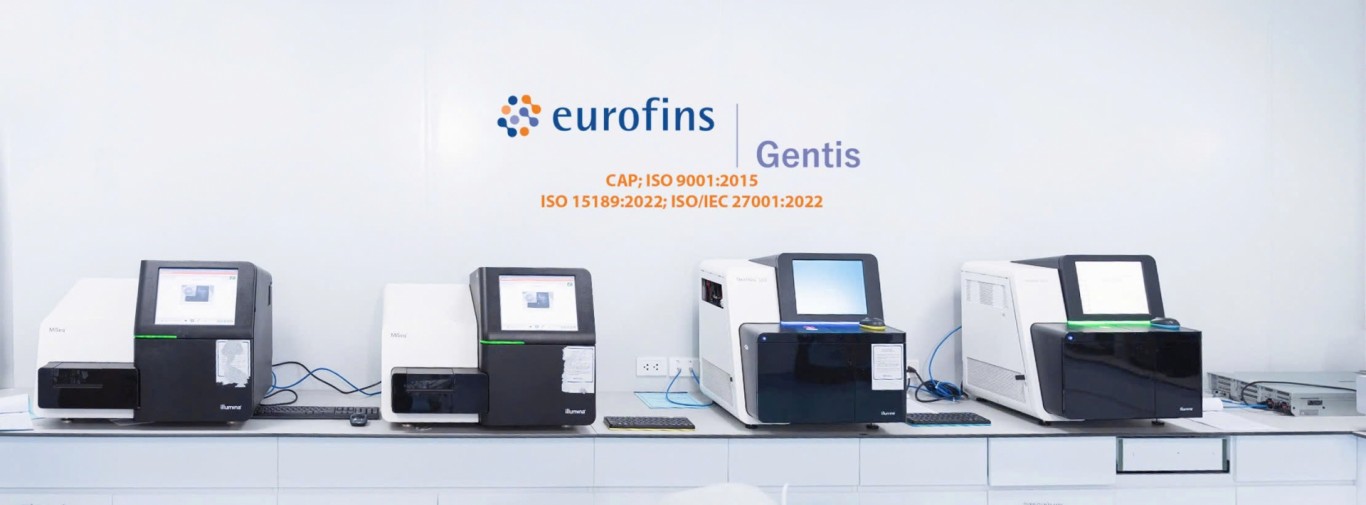
GENTIS is proud to be a leading Genetic Testing Center in Vietnam with state-of-the-art equipment. Notably, GENTIS is also the first genetic testing facility in Vietnam to achieve international standards – ISO 15189:2022 accredited by BoA and ISO/IEC 27001:2022 accredited by GICG, while fully complying with the strict regulations of the Ministry of Health and international external quality control programs.
Currently, GENTIS offers a complete ecosystem of genetic tests for reproductive support, including tests for parents, embryos, and conditions for embryo transfer; as well as tests for maternal health and pregnancy. These specialized tests help identify the causes of infertility in both men and women, screen for genetic abnormalities, prevent rare diseases in preimplantation embryos, and support embryo transfer and pregnancy monitoring. Conducting these in-depth tests enables clinicians to provide effective treatment solutions, helping to make the dream of parenthood a reality for many families facing infertility challenges.
[content_more] =>
[meta_title] => Genetic test applications in enhancing the effectiveness in assisted reproductive examinations and t
[meta_description] => In Vietnam, GENTIS has acquired many achievements in researching and developing advanced genetic tests, positively benefiting the patients.
[meta_keyword] => gentis
[thumbnail_alt] =>
[post_id] => 1265
[category_id] => 15
)
)