News

Specialized news

                        Array
(
    [0] => stdClass Object
        (
            [id] => 1342
            [id_crawler] => 
            [category_product] => NULL
            [thumbnail] => 2abfe31698882ed67799.jpg
            [album] => 
            [url_video] => 
            [is_status] => 1
            [is_featured] => 0
            [is_form] => 0
            [displayed_time] => 2025-07-18
            [program] => 0
            [number] => 1
            [viewed] => 0
            [type] => 
            [type_career] => 
            [level] => 
            [address] => 
            [address_career] => 
            [expiration_time] => 0000-00-00
            [created_time] => 2025-07-18 13:19:22
            [updated_time] => 2025-09-08 15:05:38
            [files] => 
            [salary] => 
            [time] => 
            [created_by] => 63
            [is_table_content] => 1
            [language_code] => en
            [slug] => GENTIS-&-Dong-Do-hospital-bringing-genratest-solutions-closer-to-patients-with-infertility-issues
            [title] => GENTIS & Dong Do Hospital – Bringing Genratest Solutions Closer to Patients with Infertility Issues
            [description] => On the afternoon of July 17, 2025, at Dong Do General Hospital, representatives from GENTIS (Genetic Analysis Services JSC) had a working session and professional exchange with the hospital's team of obstetricians and reproductive specialists. The meeting focused on introducing and providing in-depth updates on the Genratest – an advanced tool that improves treatment outcomes in assisted reproductive technology (ART), especially for patients who have experienced repeated implantation failure (RIF).
            [content] => 

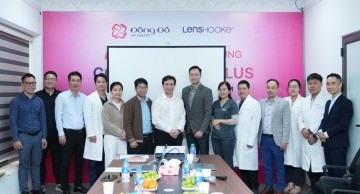
The scientific meeting was attended by Dr. Tang Duc Cuong, Level II Specialist – Medical Director of Dong Do Hospital and Director of the Dong Do IVF Center; MSc. Dr. Ngo Thi Diem – Head of the Obstetrics Department of Dong Do Hospital; along with various experts, doctors, technicians, and nurses from the hospital.

During the technical session, MSc. Nguyen Thi Thanh Hang (GENTIS Specialist) presented a scientific report titled "Genratest Technology: Determining the Optimal Window of Implantation (WOI) for Embryo Transfer." The presentation garnered significant attention from all attendees, including medical professionals, technicians, and nurses.

Genratest is a test that analyzes gene expression in the endometrium to precisely determine each woman’s unique Window of Implantation (WOI) – the optimal time when the endometrium is most receptive to embryo implantation. The test involves an endometrial biopsy and next-generation sequencing (NGS) of over 200 genes related to endometrial receptivity. Based on this analysis, doctors can determine the best timing for embryo transfer to achieve the highest success rate.

MSc. Nguyen Thi Thanh Hang provided valuable insights into the Genratest, currently being developed and implemented by GENTIS.

Research shows that among patients with a history of repeated implantation failure, 30–35% have a displaced WOI compared to the standard. This means that continuing with standard embryo transfer timing could result in a high risk of failure – even if the embryo quality and uterine environment are good. Genratest represents a breakthrough in personalized IVF treatment, supporting clinicians in making accurate and timely decisions regarding embryo transfer, thereby increasing implantation rates and reducing unexplained IVF failures.

When questions arose regarding Genratest from Dong Do Hospital’s specialists, Ms. Duong Thi Phuong (Head of R&D at GENTIS) gave detailed explanations on the sampling, analysis, and result delivery process. The endometrial biopsy is taken during a natural or hormone-controlled cycle and processed in GENTIS's ISO 15189-certified laboratory. Results are available within 10–12 working days, giving doctors a scientific basis to adjust embryo transfer timing for the following cycle.

In addition to theoretical aspects, the session also featured notable clinical data from both Vietnamese and international studies. Personalized embryo transfer based on Genratest results has shown significantly improved clinical pregnancy rates. Genratest is considered a valuable tool for patients facing challenges on their journey to parenthood.

Dr. Tang Duc Cuong shared:“We highly appreciate the applicability of Genratest in modern IVF treatments. With a team of skilled doctors and the support of cutting-edge technology, we believe personalized treatment – especially embryo transfer – is the key to improving success rates and reducing the burden on patients.”

Dr. Tang Duc Cuong – Medical Director of Dong Do Hospital and Director of Dong Do IVF Center – engaged in a meaningful discussion about the Genratest solution from GENTIS.

The meeting also set the stage for future collaboration between GENTIS and Dong Do Hospital, particularly in incorporating Genratest into routine treatment protocols and clinical research. This marks a significant step toward enhancing the quality of infertility treatment in Vietnam, making molecular biotechnology more accessible and effective for the community.

[content_more] => [meta_title] => GENTIS & Dong Do Hospital – Bringing Genratest Solutions Closer to Patients with Infertility Issues [meta_description] => On the afternoon of July 17, 2025, at Dong Do General Hospital, representatives from GENTIS (Genetic Analysis Services JSC) had a working session and professional exchange with the hospital's team of obstetricians and reproductive specialists [meta_keyword] => GENTIS,Gẻnatest,Dong Do [thumbnail_alt] => [post_id] => 1342 [category_id] => 15 ) [1] => stdClass Object ( [id] => 1341 [id_crawler] => [category_product] => NULL [thumbnail] => 2-1752034596.jpg [album] => [url_video] => [is_status] => 1 [is_featured] => 0 [is_form] => 0 [displayed_time] => 2025-07-12 [program] => 0 [number] => 1 [viewed] => 0 [type] => [type_career] => [level] => [address] => [address_career] => [expiration_time] => 0000-00-00 [created_time] => 2025-07-12 10:15:24 [updated_time] => 2025-09-08 15:05:50 [files] => [salary] => [time] => [created_by] => 63 [is_table_content] => 1 [language_code] => en [slug] => Diagnosis-and-treatment-of-genetic-diseases-advances-and-new-solutions- [title] => Diagnosis and Treatment of Genetic Diseases: Advances and New Solutions [description] => The diagnosis and treatment of genetic diseases have become one of the most rapidly advancing fields in medicine, bringing new hope to millions of patients around the world. With the development of technology, from early diagnostic techniques to optimized treatment methods, the detection and management of genetic disorders have become more accurate and effective than ever. These groundbreaking solutions not only improve patients' quality of life but also lay a solid foundation for the future. [content] =>

Detecting Balanced Translocations in Preimplantation Embryos Using PGT Technology

Ths. Nguyễn Văn Huynh (Chuyên viên GENTIS) trình bày những ưu điểm của xét nghiệm PGT-UPGRADE

MSc. Nguyen Van Huynh (GENTIS Specialist) presented the advantages of PGT-UPGRADE testing.

The detection and analysis of balanced translocations in preimplantation embryos are opening a new chapter in the search for "healthy seeds of life" for couples undergoing infertility treatment. This advanced technique enables the screening of potential genetic abnormalities from the earliest stages of embryonic development, allowing for precise selection of the best embryos for uterine transfer.

One of the most notable breakthroughs today is PGT-UPGRADE—a deep genetic analysis method developed by GENTIS using international-standard Next-Generation Sequencing (NGS) technology. In addition to comprehensively detecting aneuploidy across all 24 chromosomes, PGT-UPGRADE is specialized in identifying genetic balanced translocations—a factor that conventional tests often miss but may be the root cause of recurrent miscarriages, IVF failure, or congenital abnormalities.

In clinical practice, PGT-UPGRADE helps screen and select embryos that do not carry the same balanced translocation as either parent, thereby minimizing the risk of passing genetic abnormalities to the next generation and eliminating reproductive complications caused by such translocations. It is the optimal solution for couples with balanced translocations—allowing proactive selection of genetically normal embryos, increasing IVF success rates, reducing pregnancy risks, and offering the chance of welcoming a healthy baby.

Zygote Formation Abnormalities in IVF and Detection Methods

TS. BS. Bùi Thị Phương Hoa (Trưởng phòng nghiên cứu khoa học và đào tạo - Bệnh viện Nam học và Hiếm muộn Hà Nội) trình bày về các bất thường trong quá trình thụ tinh trong ống nghiệm và phương pháp phát hiện

Dr. Bui Thi Phuong Hoa (Head of Research and Training Department – Hanoi Hospital of Andrology and Infertility) presented on abnormalities during in vitro fertilization and their detection.

In IVF procedures, abnormalities in zygote formation are one of the main causes of implantation failure and unsuccessful pregnancies. These may include chromosomal number anomalies or genetic mutations that lead to severe disorders.

Today, the detection of such abnormalities relies heavily on advanced genetic testing technologies such as chromosomal analysis using NGS or CGH array methods. These tests allow early detection of abnormalities that might affect IVF success, enabling physicians to make appropriate decisions in selecting healthy embryos for transfer.

With support from these modern detection methods, IVF failure rates have significantly decreased. This not only helps families save time and costs but also minimizes the risk of passing hereditary diseases to their children. The increasing accuracy of these methods is building strong trust among couples on their journey to parenthood.

Developing Interpretation Software for Newborn Screening Using LC-MS/MS

Ths. BSNT Đinh Thị Quỳnh Ngọc (Chuyên viên GENTIS) báo cáo về quá trình phát triển phần mềm phiên giải kết quả cho xét nghiệm SLSS bằng phương pháp LC - MS/MS

MSc., Resident Doctor Dinh Thi Quynh Ngoc (GENTIS Specialist) reported on the development of interpretation software for newborn screening results using the LC-MS/MS method.

Newborn screening is one of the key measures for early detection of genetic and congenital metabolic disorders that can seriously affect the health and development of infants. Among screening techniques, Tandem Mass Spectrometry (UPLC-MS/MS) is increasingly becoming a modern method for accurately identifying abnormalities from birth. However, one of the current major challenges is result interpretation—which requires a combination of high precision and rapid processing speed.

To meet this need, the development of interpretation software for newborn screening using mass spectrometry has emerged as a breakthrough in enhancing healthcare service quality. These software solutions automate the entire data analysis process and assist doctors in making timely and accurate clinical decisions—from monitoring to treatment.

In particular, leading institutions in genetics in Vietnam, such as GENTIS, are investing in building advanced interpretation systems that optimize analysis performance and reduce errors during result reading. The participation of experienced units like GENTIS not only enhances the reliability of screening systems but also promotes the application of high technology in precision medicine in Vietnam.

GENTIS – A Trusted Partner in the Diagnosis and Treatment of Genetic Disorders

GENTIS has established itself as a pioneer in genetic technology research and application, providing accurate testing services along with diagnostic and treatment support software. With advanced technologies and a team of experienced experts, GENTIS remains a reliable partner for hospitals, clinics, and genetic research centers. In addition to developing technical solutions, GENTIS also offers consultation to support physicians and families throughout the treatment process.

Thanks to continuous technological advances, methods such as PGT, newborn screening using mass spectrometry, and result interpretation software are transforming how genetic diseases are diagnosed and treated. As a leader in genetic testing, GENTIS not only improves healthcare quality but also helps reduce the prevalence of preventable genetic conditions.

[content_more] => [meta_title] => Diagnosis and Treatment of Genetic Diseases: Advances and New Solutions [meta_description] => The diagnosis and treatment of genetic diseases have become one of the most rapidly advancing fields in medicine, bringing new hope to millions of patients around the world. [meta_keyword] => GENTIS,genetic [thumbnail_alt] => [post_id] => 1341 [category_id] => 15 ) [2] => stdClass Object ( [id] => 1335 [id_crawler] => [category_product] => NULL [thumbnail] => cac_logo-02.jpg [album] => [url_video] => [is_status] => 1 [is_featured] => 0 [is_form] => 0 [displayed_time] => 2025-07-07 [program] => 0 [number] => 1 [viewed] => 0 [type] => [type_career] => [level] => [address] => [address_career] => [expiration_time] => 0000-00-00 [created_time] => 2025-07-07 15:04:01 [updated_time] => 2025-09-08 15:06:29 [files] => [salary] => [time] => [created_by] => 63 [is_table_content] => 1 [language_code] => en [slug] => Eurofins-GENTIS-a-milestone-in-bringing-Vietnamese-genetic-science-to-the-global-stage [title] => Eurofins GENTIS – A Milestone in Bringing Vietnamese Genetic Science to the Global Stage [description] => From a startup in France, Eurofins has grown into one of the world’s leading scientific groups, particularly in the field of biological testing, including medical testing, with over 900 laboratories worldwide. The integration of GENTIS into the Eurofins network marks a strategic turning point, ushering in a new era for genetic testing in Vietnam and Southeast Asia. [content] =>

Eurofins – A Global Leader in Scientific Services
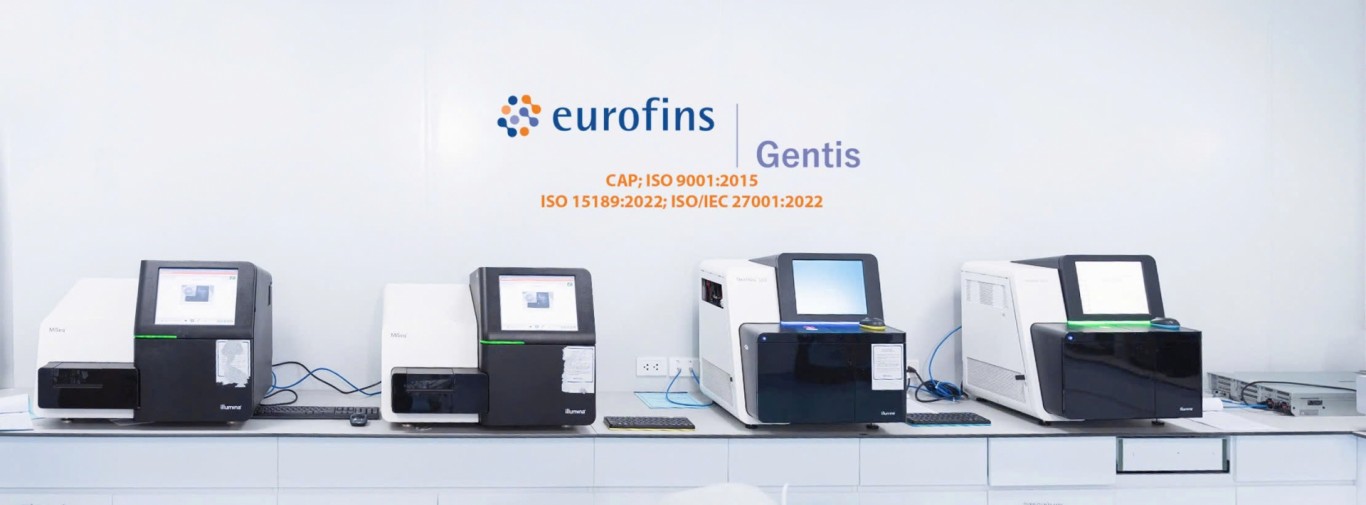
Eurofins Scientific is a world-leading group specializing in testing, inspection, and certification services for quality management systems across food, consumer products, environment, pharmaceuticals, and genetic analysis. Founded in October 1987 in Nantes, France with just four employees, Eurofins began as a young science-based company. From the very beginning, Eurofins set a clear vision – "Testing for Life" – contributing to scientific progress and protecting public health.

After more than three decades of rapid growth, Eurofins has become one of the largest scientific service providers in the world, with:

  • Over 62,000 employees across more than 900 laboratories globally

  • A leading position in testing for food, pharmaceuticals, cosmetics, agriculture, and a strong presence in advanced fields such as materials science, genomics, forensics, consumer products, and clinical diagnostics

  • Operations in over 62 countries, forming a cross-border scientific network where technological advances are shared, applied, and optimized with a shared mission: To make the world a safer, healthier place to live

This remarkable growth is not only about scale but also embodies the Eurofins spirit – a unique identity in the scientific community characterized by continuous innovation, investment in technology, service quality enhancement, and most importantly, a commitment to building a safer, healthier world. Eurofins affirms its leadership in innovation, accuracy, and quality in life sciences – continually setting global trends and standards. It is home to some of the brightest minds, always at the forefront of research, technological applications, and global standard development.

GENTIS – A Vietnamese Mark in the Global Eurofins Network
In February 2022, GENTIS officially joined the global Eurofins family – a historic milestone for life sciences in Vietnam, as a pioneer in genetic analysis became part of one of the world’s leading healthcare groups.

The integration of GENTIS into Eurofins is not merely an expansion in scale but a strategic connection between a powerful international corporation and a Vietnamese pioneer in genetic testing.

As a trailblazer in Vietnam specializing in genetic and DNA testing, GENTIS has established a leading position with millions of trusted customers, a team of experts, and laboratories that meet international standards.

The transformation of Eurofins GENTIS into a foreign-invested company carries profound strategic significance:

  • Access to world-leading technologies, improving testing capacity and service quality

  • Participation in a global scientific research network, expanding professional collaboration and sharing international knowledge

  • Bringing high-quality genetic testing services closer to the Vietnamese population, contributing to better public healthcare

At the same time, GENTIS will become a strategic hub for Eurofins in Southeast Asia, contributing to the group's ambition to expand genetic testing services in this highly potential region.

Eurofins GENTIS – Strong Leadership, Forward to the Future
Eurofins GENTIS represents the synergy of global strength and local expertise – combining international stature with deep local understanding. This perfect integration aims to bring advanced genetic testing services to millions of people in Vietnam and the region.

With Eurofins' global technology, team, and network, along with a solid scientific foundation, Eurofins GENTIS officially enters a new stage of development – becoming a pioneer in genetic analysis, leading Vietnam, and aiming to lead Southeast Asia.

[content_more] => [meta_title] => Eurofins GENTIS – A Milestone in Bringing Vietnamese Genetic Science to the Global Stage [meta_description] => From a startup in France, Eurofins has grown into one of the world’s leading scientific groups, particularly in the field of biological testing, including medical testing, with over 900 laboratories worldwide. [meta_keyword] => GENTIS,Eurofins [thumbnail_alt] => [post_id] => 1335 [category_id] => 15 ) [3] => stdClass Object ( [id] => 1300 [id_crawler] => [category_product] => NULL [thumbnail] => 6e65830d266c9532cc7d.jpg [album] => [url_video] => [is_status] => 1 [is_featured] => 0 [is_form] => 0 [displayed_time] => 2025-04-09 [program] => 0 [number] => 1 [viewed] => 0 [type] => [type_career] => [level] => [address] => [address_career] => [expiration_time] => 0000-00-00 [created_time] => 2025-04-09 09:16:44 [updated_time] => 2025-09-08 15:13:26 [files] => [salary] => [time] => [created_by] => 63 [is_table_content] => 1 [language_code] => en [slug] => Gentis-accompanies-the-art-advanced-12-conference-new-perspectives-on-reproductive-science-from-clinical-data-to-personalized-treatment [title] => GENTIS accompanies the ART ADVANCED 12 Conference: “New perspectives on reproductive science: from clinical data to personalized treatment” [description] => The ART ADVANCED 12 conference is a significant scientific event in the field of reproductive support organized by the Hanoi Reproductive Support Association. With the theme “New Perspectives on Reproductive Science: From Clinical Data to Personalized Treatment,” the conference will provide in-depth updates and important discussions about advances in reproductive support. This is an opportunity for experts to meet, share experiences, and move towards personalized treatment to improve clinical practice outcomes. [content] =>

This year’s conference will take place on Friday, April 18, 2025, at the Pan Pacific Hotel Hanoi (1 Thanh Nien Road, Ba Dinh, Hanoi).

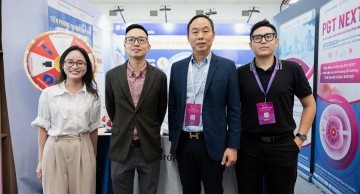
We are honored to accompany the conference as a sponsor. GENTIS’ booth will offer many exciting activities and attractive gifts for delegates. Additionally, the GENTIS booth will focus on presenting solutions for genetic screening and diagnosis in the field of reproductive support, particularly the three new PGT testing packages: PGT +100 rare diseases, PGT NEXT, and PGT UPGRADE.

One of the key advantages of PGT-M testing at GENTIS is the ability to analyze over 100 single-gene genetic diseases with high accuracy, allowing for the detection of even small DNA variants that may cause disease. By applying next-generation sequencing (NGS) technology combined with family-specific marker design, PGT-M ensures accuracy in identifying healthy embryos, thus increasing the chances of having a child free from genetic disorders. In addition to advanced technology, PGT-M for 100+ rare diseases also includes support from a dedicated genetic counseling team, accompanying patients before, during, and after testing.

PGT NEXT is a pre-embryo transfer genetic test capable of detecting aneuploidy on 24 chromosomes, additional abnormalities, and chromosomal deletions. It can also detect embryos with triploidy or monosomy. This helps avoid transferring embryos with these abnormalities, while also preventing wasting euploid embryos that have fertilization issues (0PN, 1PN, and 2.1/3PN). Additionally, PGT NEXT provides genetic information for embryo selection prior to transfer.

The combination of whole-genome sequencing (NGS) with SNP analysis enhances the resolution of genetic screening to detect aneuploidy. This method allows for the detection of monosomic and trisomic chromosomes, increasing the number of euploid embryos available for transfer by identifying truly diploid embryos among abnormal fertilized embryos (0PN, 1PN, 2.1PN, 3PN). Furthermore, SNP analysis ensures accurate identification of whether an embryo shares a genetic relationship with other embryos in the same group, reducing the risk of sample mix-ups due to procedural errors.

PGT UPGRADE is a pre-embryo transfer genetic test capable of detecting aneuploidy on 24 chromosomes, additional abnormalities, chromosomal deletions larger than 5 Mb, and particularly the ability to detect balanced translocations inherited from parents. Additionally, PGT UPGRADE provides genetic information for embryo selection before transfer.

At the conference, Dr. Pham Dinh Minh (Director of R&D at GENTIS) will present a report titled: "Factors Affecting the Outcome of Mosaic Embryos from a Genetic Lab Perspective."

We cordially invite doctors, embryologists, and experts to visit the GENTIS booth to update themselves on the most modern and advanced pre-implantation genetic screening solutions, serving the healthcare needs of the Vietnamese people.

[content_more] => [meta_title] => GENTIS accompanies the ART ADVANCED 12 Conference: “New perspectives on reproductive science: from c [meta_description] => The ART ADVANCED 12 conference is a significant scientific event in the field of reproductive support organized by the Hanoi Reproductive Support Association. [meta_keyword] => GENTIS,Conference [thumbnail_alt] => [post_id] => 1300 [category_id] => 15 ) [4] => stdClass Object ( [id] => 1298 [id_crawler] => [category_product] => NULL [thumbnail] => 3-min.jpg [album] => [url_video] => [is_status] => 1 [is_featured] => 0 [is_form] => 1 [displayed_time] => 2025-04-09 [program] => 0 [number] => 1 [viewed] => 0 [type] => [type_career] => [level] => [address] => [address_career] => [expiration_time] => 0000-00-00 [created_time] => 2025-04-09 08:21:08 [updated_time] => 2025-09-08 15:13:42 [files] => [salary] => [time] => [created_by] => 63 [is_table_content] => 1 [language_code] => en [slug] => Gentis-collaborates-with-the-department-of-andrology-and-sexology-hanoi-university-of-medicine-to-organize-a-scientific-seminar [title] => GENTIS collaborates with the Department of Andrology and Sexology - Hanoi University of Medicine to organize a scientific seminar [description] => Recently, GENTIS collaborated with the Department of Andrology and Sexology at Hanoi University of Medicine to successfully organize a scientific seminar aimed at helping doctors and healthcare staff gain a better understanding of two specialized test packages: Whole Exome Sequencing (WES) and Sperm DNA Fragmentation. [content] =>

The seminar at Hanoi University of Medicine was attended by numerous experts and doctors from the Department of Andrology and Sexology, such as Associate Prof. Dr. Nguyen Hoai Bac (Head of the Department), MSc. Dr. Tran Van Kien, MSc. Dr. Do Ich Dinh, MSc. Dr. Chu Thi Chi, and MSc. Dr. Nguyen Cao Thang. From GENTIS, the seminar was attended by MSc. Hoang Thi Nhung (Head of R&D) and MSc. NT. Vu Thu Huong (R&D Specialist).

At the beginning of the seminar, MSc. NT. Vu Thu Huong explained that high levels of sperm DNA fragmentation are one of the causes of male infertility. There are many factors that lead to sperm fragmentation. According to MSc. NT. Vu Thu Huong, Sperm DNA testing is an essential method for evaluating the overall quality of a patient's sperm. This test helps quantify the percentage of sperm DNA fragmentation by detecting color changes in a dye through a flow cytometry system (which analyzes up to 10,000 sperm), helping identify the cause of infertility in cases where the semen analysis result is normal.

In addition, the sperm DNA fragmentation test can also explain repeated miscarriages, unexplained infertility, and failed IVF attempts. Therefore, evaluating sperm quality through sperm DNA fragmentation testing is extremely necessary, as it helps doctors predict fertility potential and determine the most suitable intervention for assisted reproduction.

At GENTIS, sperm DNA fragmentation (Sperm DNA) tests are conducted using the SCSA (Sperm Chromatin Structure Assay) method, ensuring high stability, accuracy, and performance.
A unique feature of this test is the clear categorization of sperm DNA fragmentation thresholds. This helps doctors better screen cases of unexplained infertility, thus guiding treatment intervention.

In addition to the Sperm DNA fragmentation test, the seminar also featured a discussion of new information about the Whole Exome Sequencing (WES) test. According to MSc. Hoang Thi Nhung (GENTIS), WES is a DNA sequencing method aimed at analyzing the entire protein-coding region, or Exons, in the human genome. GENTIS uses next-generation sequencing (NGS) technology on the NovaSep 6000 system to sequence the entire exon region of around 22,000 genes (covering over 85% of disease-causing mutations). This allows for the detection of point mutations, small deletions/inserts, and CNVs. Whole Exome Sequencing provides the ability to diagnose genetic diseases of unknown causes, particularly rare and complex diseases, and detect genetic variants associated with neurological, cardiovascular, and other conditions.

Through the discussion, doctors from the Department of Andrology and Sexology at Hanoi University of Medicine highly appreciated the significant improvements in WES and Sperm DNA testing and posed many in-depth questions regarding these two tests. This demonstrates the interest of medical professionals in GENTIS’s WES and Sperm DNA tests. We hope that after this scientific seminar, GENTIS will continue to have the opportunity to collaborate and work with Hanoi University of Medicine in the future!

[content_more] => [meta_title] => GENTIS collaborates with the Department of Andrology and Sexology - Hanoi University of Medicine to [meta_description] => Recently, GENTIS collaborated with the Department of Andrology and Sexology at Hanoi University of Medicine to successfully organize a scientific seminar aimed at helping doctors and healthcare staff gain a better understanding of two specialized test pac [meta_keyword] => GENTIS,SPERM DNA,WES [thumbnail_alt] => [post_id] => 1298 [category_id] => 15 ) [5] => stdClass Object ( [id] => 1297 [id_crawler] => [category_product] => NULL [thumbnail] => dsc02995.jpg [album] => [url_video] => [is_status] => 1 [is_featured] => 0 [is_form] => 0 [displayed_time] => 2025-04-04 [program] => 0 [number] => 1 [viewed] => 0 [type] => [type_career] => [level] => [address] => [address_career] => [expiration_time] => 0000-00-00 [created_time] => 2025-04-04 14:15:42 [updated_time] => 2025-09-08 15:14:31 [files] => [salary] => [time] => [created_by] => 63 [is_table_content] => 1 [language_code] => en [slug] => The-role-and-connection-between-clinical-doctors-geneticists-and-genetic-labs-in-diagnosis-and-screening-of-genetic-diseases [title] => The role and connection between clinical doctors, geneticists, and genetic labs in diagnosis and screening of genetic diseases [description] => In modern medicine, particularly in the diagnosis and screening of genetic diseases, the collaboration between clinical doctors, geneticists, and genetic laboratories plays an extremely important role. This is a closed-loop process that ensures patients receive accurate results, supporting the best treatment and prognosis possible. [content] =>

The Importance of Genetic Testing in Diagnosis and Disease Screening 

According to Ms. Katie Battese Ellis (Senior Director of Medical Affairs at Illumina in several APAC countries), in the past, there were not many available tests, so doctors often gathered the patient's characteristics to identify any potential issues. However, with the development of modern medicine, numerous genetic tests are now available, making the diagnosis and screening of diseases easier.

Dr. Pham Dinh Minh, Ms. Katie Battese Ellis, and Associate Prof. Dr. Ho Sy Hung (from left to right)

With these advancements, we can conduct pre-pregnancy tests to see if both partners are carrying the same genetic condition. Pregnant women can undergo testing to monitor fetal development. Newborn screening tests can also be performed to detect conditions that may affect the health and development of the child later on.
From the test results, geneticists and clinical doctors will discuss and create a plan for better monitoring or treatment for the patient. This not only helps save time and treatment costs but also ensures the health and future happiness of the entire family.

As one of the leading experts in reproductive medicine in Vietnam, Associate Prof. Dr. Ho Sy Hung (Deputy Director of the National Reproductive Support Center) mentioned that the collaboration between genetic experts and clinical doctors is crucial. In reproductive medicine, the success rate of pregnancy is about 50%. However, some patients experience repeated miscarriages for unknown reasons, have a history of genetic diseases, or have undergone multiple IVF cycles without success. These cases require pre-implantation genetic testing (PGT) to select healthy embryos for implantation.

Currently, there are three types of traditional PGT tests: PGT-A, PGT-SR, and PGT-M. PGT-A helps identify normal embryos and increases the chances of success in IVF. PGT-SR can detect unbalanced translocations in embryos before transfer, allowing for the selection of normal embryos, thus increasing the chances of a successful pregnancy. PGT-M is used to screen for monogenic genetic diseases, ensuring that only embryos without genetic mutations are transferred.

GENTIS is a pioneering unit in Vietnam capable of accurately and professionally performing PGT tests with the most advanced techniques, along with a team of highly qualified experts. Notably, GENTIS can screen for about 100 monogenic diseases using PGT-M.


In addition, GENTIS also offers PGT NEXT and PGT UPGRADE with outstanding advantages. PGT NEXT can detect chromosomal abnormalities on all 24 chromosomes, additional abnormalities, chromosomal segment deletions, and aneuploidy. Meanwhile, PGT UPGRADE can detect chromosomal abnormalities, segment deletions, and balanced translocations inherited from parents.

Experts Participating in the Genetic Counseling Talkshow – Discussion with Experts at GENTIS


At GENTIS, PGT testing is conducted in an ISO-standard lab using advanced genetic sequencing methods like NGS, Sanger, or PCR, carried out by skilled technicians and experienced analysts. Afterward, geneticists provide the final conclusions and send them to clinical doctors for patient consultation, ensuring the transfer of healthy embryos into the mother's uterus.

According to Dr. Pham Dinh Minh, genetic and genomic testing is booming in Vietnam. Therefore, GENTIS needs the collaboration between doctors, geneticists, and labs to make genetic tests more accessible and useful, especially in reproductive medicine, obstetrics, and newborn screening.
In the near future, GENTIS will incorporate AI and bioinformatics to screen for more diseases and provide more clinical information to assist doctors in offering the best treatment options for patients.

The Connection Between Clinical Doctors, Geneticists, and Genetic Labs

The close collaboration between clinical doctors, geneticists, and genetic laboratories is crucial for the effectiveness of disease diagnosis and treatment. According to Ms. Katie, learning and sharing expertise is essential to strengthen cooperation among all parties.
Genetic labs should regularly update new tests, techniques, accuracy, and result turnaround times to ensure that clinical doctors and patients are better informed about the tests. This will help doctors develop the best treatment plan to save costs for patients.

Dr. Minh took Ms. Katie on a tour of the GENTIS testing center


From the clinical doctor's perspective, Associate Prof. Dr. Hung pointed out that genetic issues are challenging for both general clinical doctors and obstetricians in particular. Since tests and techniques in reproductive medicine are constantly developing and changing, continuous learning is necessary to share knowledge and assist patients.

For genetic labs, the quality of testing is the key. Based on test results, doctors can accurately diagnose diseases and develop appropriate treatment plans. Therefore, to bring new, high-quality tests to the market, the support of not only medical experts but also geneticists and technology innovators is essential, as Dr. Minh emphasized.

Based on modern medical advancements and technological progress, genetic testing is increasingly becoming an essential tool for screening and diagnosing diseases. However, to ensure maximum effectiveness, clinical doctors, geneticists, and genetic labs must work closely together. Only by functioning as a unified system can the healthcare system provide the most accurate, personalized, and optimal care for patients.

[content_more] => [meta_title] => The Role and Connection Between Clinical Doctors, Geneticists, and Genetic Labs in Diagnosis and Sc [meta_description] => In modern medicine, particularly in the diagnosis and screening of genetic diseases, the collaboration between clinical doctors, geneticists, and genetic laboratories plays an extremely important role. This is a closed-loop process that ensures patients r [meta_keyword] => GENTIS,Genetic [thumbnail_alt] => [post_id] => 1297 [category_id] => 15 ) [6] => stdClass Object ( [id] => 1296 [id_crawler] => [category_product] => NULL [thumbnail] => z6465708716299_7722d5faab6d614343abf01d6ab53b54.jpg [album] => [url_video] => [is_status] => 1 [is_featured] => 0 [is_form] => 1 [displayed_time] => 2025-04-03 [program] => 0 [number] => 1 [viewed] => 0 [type] => [type_career] => [level] => [address] => [address_career] => [expiration_time] => 0000-00-00 [created_time] => 2025-04-03 14:29:35 [updated_time] => 2025-09-08 15:15:19 [files] => [salary] => [time] => [created_by] => 63 [is_table_content] => 1 [language_code] => en [slug] => Gentis-updated-information-about-2-screening-packages-PGT-NEXT-and-PGT-UPGRADE-at-An-Viet-General-Hospital [title] => GENTIS updated information about 2 screening packages: PGT NEXT and PGT UPGRADE at An Viet General Hospital [description] => Recently, GENTIS, in collaboration with An Viet General Hospital successfully held a scientific conference aimed at updating the information about 2 new PGT screening packages: PGT NEXT and PGT UPGRADE. At the event, a GENTIS representative provided detailed answers to the questions from doctors at the IVF An Viet Reproductive Center related these two advanced pre-implantation genetic testing packages. [content] =>

Attendants at the scientific seminar at An Viet General Hospital included PhD. Dr. Le Minh Chau (Head of the Obstetrics and Gynecology Department at An Viet Hospital), Dr. Mai Thi Giang (Head of the IVF Lab), Dr. Dang Van Ha (Reproductive Support Department), as well as nurses, healthcare staff, and laboratory technicians. From GENTIS, the event saw the presence of MSc. Nguyen Van Huynh (Head of R&D Department at GENTIS) and Ms. Duong Thi Phuong (Head of PM Department at GENTIS)

Throughout the seminar, MSc Huynh provided detailed presentations about PGT NEXT and PGT UPGRADE tests, highlighting the superior features of these two cutting-edge testing solutions.

Regarding PGT NEXT, MSc. Huynh explained that this is an advanced method in in-vitro fertilization (IVF) that analyzes and detects genetic changes in embryos before they are implanted in the uterus. The primary function of this test is to detect genetic disorders, gene mutations, and conditions that could cause health problems for the child or increase the risk of miscarriage.

By using Next-Generation Sequencing (NGS) technology, PGT-NEXT provides higher accuracy compared to traditional testing methods, enabling the selection of healthy embryos, reducing the risk of inherited diseases, and increasing the success rate of pregnancy. This tool is crucial for couples at high genetic risk, offering them a better chance of having a healthy baby. Additionally, this test can be extended to patients with a history of polyploid pregnancies, molar pregnancies, or recurrent miscarriages after undergoing traditional PGT-A IVF, increasing the number of embryos suitable for transfer from fertilized embryos with abnormalities (0PN, 1PN, or 2.1/3PN).

Discussing PGT-UPGRADE, MSc. Huynh mentioned that this is an advanced genetic screening method that detects embryos with balanced translocations. "Balanced translocation is a phenomenon where DNA segments are exchanged between non-homologous chromosomes without increasing or decreasing genetic material at the breakpoints. Balanced translocations are divided into two types: reciprocal translocation and Robertsonian translocation."

Compared to previous traditional PGT methods, PGT-UPGRADE uses NGS technology combined with targeted SNP sequencing, providing higher resolution in detecting aneuploidy, chromosomal structural abnormalities, and complex genetic changes. This method is especially useful for detecting small chromosomal abnormalities and balanced genetic translocations that older methods could not identify, thus helping select healthy embryos, reducing the risk of miscarriage or the birth of children with genetic disorders. PGT-UPGRADE not only increases the success rate of pregnancy but also offers great hope for couples with a history of genetic disorders or recurrent miscarriages, demonstrating its superiority in accuracy and effectiveness over older genetic screening methods.

The seminar took place in a lively atmosphere, receiving positive feedback and interest from the participating doctors. Questions related to PGT-NEXT and PGT-UPGRADE from the doctors of An Viet General Hospital were thoroughly answered by the GENTIS representatives. At the conclusion of the seminar, the doctors at An Viet General Hospital highly appreciated the two advanced tests offered by GENTIS, stating, "These tests are not only a breakthrough in medicine but also bring new rays of hope to couples on their journey to find their beloved child."

GENTIS hopes that after this informative exchange, it will continue to have the opportunity to accompany and collaborate with An Viet Hospital in the future!

[content_more] => [meta_title] => GENTIS updated information about 2 screening packages: PGT NEXT and PGT UPGRADE at An Viet General H [meta_description] => Recently, GENTIS, in collaboration with An Viet General Hospital successfully held a scientific conference aimed at updating the information about 2 new PGT screening packages: PGT NEXT and PGT UPGRADE. [meta_keyword] => GENTIS,PGTNEXT,PGTUPGRADE [thumbnail_alt] => [post_id] => 1296 [category_id] => 15 ) [7] => stdClass Object ( [id] => 1294 [id_crawler] => [category_product] => NULL [thumbnail] => dsc02289.jpg [album] => [url_video] => [is_status] => 1 [is_featured] => 0 [is_form] => 0 [displayed_time] => 2025-03-26 [program] => 0 [number] => 1 [viewed] => 0 [type] => [type_career] => [level] => [address] => [address_career] => [expiration_time] => 0000-00-00 [created_time] => 2025-03-26 10:33:26 [updated_time] => 2025-09-08 15:15:31 [files] => [salary] => [time] => [created_by] => 63 [is_table_content] => 1 [language_code] => en [slug] => Application-of-pgt-m-tests-in-thalassemia-genetic-disorder-screening [title] => Application of PGT-M tests in Thalassemia genetic disorder screening [description] => Thalassemia is a recessive inherited anemia disorder on the autosomal chromosome, with the highest incidence rates globally, including in Vietnam. Thalassemia causes severe consequences for the material and mental well-being of affected individuals and their families. Currently, there is no definitive cure for this disease, but proactive prevention and screening are possible. Notably, the advent of Preimplantation Genetic Testing for Monogenic Disorders (PGT-M) helps reduce the risk of having children affected by Thalassemia. [content] =>

Thalassemia – A Recessive Genetic Disorder to Be Aware Of

Thalassemia (also known as congenital hemolysis) is the most common single-gene genetic disorder worldwide. According to reports from the Thalassemia Federation and WHO in 2008, approximately 7% of the global population carries the disease gene. For every 100 couples, about 1.1 couples are at risk of having a child with the disease or carrying the Thalassemia gene.

Dr. Le Thao Ly (Quang Ninh Obstetrics and Pediatrics Hospital) reported at the 2025 Clinical Embryology Conference.

In Vietnam, Thalassemia is the leading cause of severe anemia and hemolysis in children. According to the Vietnam Congenital Hemolysis Association, there are about 12 million carriers of the disease gene, and an estimated 20,000 patients need treatment each year.

Couples who carry the Thalassemia gene have a 50% chance of having a child who carries the gene and a 25% chance of having a child with the disease if they conceive naturally. Therefore, couples planning for pregnancy, especially those with a family history of Thalassemia, should take preventive measures for the future generation by undergoing screening for early detection and appropriate preventive actions using PGT-M.

PGT-M Testing Helps Thalassemia-Carrying Parents Have Healthy Children

According to Dr. Le Thao Ly (Quang Ninh Obstetrics and Pediatrics Hospital), who presented at the 6th CEC Conference, PGT-M (Preimplantation Genetic Testing for Monogenic Gene Disorders) was first reported in 1990 and was originally used to diagnose genetic disorders linked to the X chromosome. With this technique, we can examine the genetic makeup of embryos at a very early stage, identifying specific abnormal gene segments inherited from the parents.

As a result, embryos with the disease-causing gene are eliminated before being transferred to the mother's uterus. The effectiveness of this method has been proven to help reduce the incidence of children born with the disease and minimize the need for pregnancy termination.

PGT-M plays a crucial role in reproductive medicine but still presents some challenges.

PGT-M is a test that identifies single-gene abnormalities and mutations related to genetic syndromes such as Thalassemia, Spinal Muscular Atrophy (SMA), Hemophilia, Rett Syndrome, Polycystic Kidney Disease, and others. It is recommended for couples carrying disease-causing gene mutations who are at high risk of having a child with a monogenic genetic disorder.

PGT-M is a highly accurate technique, requiring advanced technology such as SNP (Single Nucleotide Polymorphism) analysis, STR (Short Tandem Repeat) analysis, qPCR (real-time PCR), MLPA (Multiplex Ligation-dependent Probe Amplification), or NGS (Next-Generation Sequencing), depending on the specific monogenic disorder to be analyzed. The goal is to detect gene mutations that the parents carry and can pass on to their child.

To perform PGT-M, couples typically need reproductive assistance through in vitro fertilization (IVF). Embryos created through IVF are cultured until day 5. Embryos at this stage (blastocysts) are biopsied, and 5-7 cells are extracted from the part of the embryo that will develop into the placenta. These cell samples undergo special tests to identify the disease-causing genes.

This test enables doctors to check the genetic makeup of the embryos at an early stage, allowing for the identification and removal of embryos carrying the parents' genetic disease. Only healthy embryos are transferred to the mother's uterus, increasing the chances of pregnancy and resulting in healthy children who do not carry genetic mutations for future generations.

To date, in addition to screening for Thalassemia PGT-M, GENTIS has also developed PGT-M techniques for over 100 rare genetic disorders, including Duchenne Muscular Dystrophy, Spinal Muscular Atrophy, Hemophilia, Congenital Adrenal Hyperplasia, and more.

PGT-M Testing at GENTIS is Performed Using a Rigorous, Professional Process

Along with the application of new technologies and advanced machinery systems (Veriseq PGS technology, Illumina NGS DNA sequencing system from the USA, and SNP, STR analysis methods), PGT-M testing at GENTIS is carried out in a strict, professional manner to ensure highly reliable results. Combining PGT-M screening for monogenic genetic disorders with PGT-A/SR testing before PGT-M helps provide a comprehensive assessment of embryo quality, improving the success rate of assisted reproductive methods.

[content_more] => [meta_title] => Application of PGT-M tests in Thalassemia genetic disorder screening [meta_description] => Thalassemia is a recessive inherited anemia disorder on the autosomal chromosome, with the highest incidence rates globally, including in Vietnam. Thalassemia causes severe consequences for the material and mental well-being of affected individuals and th [meta_keyword] => GENTIS,Thalassemia,PGT-M [thumbnail_alt] => [post_id] => 1294 [category_id] => 15 ) )

GENTIS & Dong Do Hospital – Bringing Genratest Solutions Closer to Patients with Infertility Issues

On the afternoon of July 17, 2025, at Dong Do General Hospital, representatives from GENTIS (Genetic Analysis Services JSC) had a working session and professional exchange with the hospital's team of obstetricians and reproductive specialists. The meeting focused on introducing and providing in-depth updates on the Genratest – an advanced tool that improves treatment outcomes in assisted reproductive technology (ART), especially for patients who have experienced repeated implantation failure (RIF).

Diagnosis and Treatment of Genetic Diseases: Advances and New Solutions

The diagnosis and treatment of genetic diseases have become one of the most rapidly advancing fields in medicine, bringing new hope to millions of patients around the world. With the development of technology, from early diagnostic techniques to optimized treatment methods, the detection and management of genetic disorders have become more accurate and effective than ever. These groundbreaking solutions not only improve patients' quality of life but also lay a solid foundation for the future.

Eurofins GENTIS – A Milestone in Bringing Vietnamese Genetic Science to the Global Stage

From a startup in France, Eurofins has grown into one of the world’s leading scientific groups, particularly in the field of biological testing, including medical testing, with over 900 laboratories worldwide. The integration of GENTIS into the Eurofins network marks a strategic turning point, ushering in a new era for genetic testing in Vietnam and Southeast Asia.

GENTIS accompanies the ART ADVANCED 12 Conference: “New perspectives on reproductive science: from clinical data to personalized treatment”

The ART ADVANCED 12 conference is a significant scientific event in the field of reproductive support organized by the Hanoi Reproductive Support Association. With the theme “New Perspectives on Reproductive Science: From Clinical Data to Personalized Treatment,” the conference will provide in-depth updates and important discussions about advances in reproductive support. This is an opportunity for experts to meet, share experiences, and move towards personalized treatment to improve clinical practice outcomes.

GENTIS collaborates with the Department of Andrology and Sexology - Hanoi University of Medicine to organize a scientific seminar

Recently, GENTIS collaborated with the Department of Andrology and Sexology at Hanoi University of Medicine to successfully organize a scientific seminar aimed at helping doctors and healthcare staff gain a better understanding of two specialized test packages: Whole Exome Sequencing (WES) and Sperm DNA Fragmentation.

The role and connection between clinical doctors, geneticists, and genetic labs in diagnosis and screening of genetic diseases

In modern medicine, particularly in the diagnosis and screening of genetic diseases, the collaboration between clinical doctors, geneticists, and genetic laboratories plays an extremely important role. This is a closed-loop process that ensures patients receive accurate results, supporting the best treatment and prognosis possible.

GENTIS updated information about 2 screening packages: PGT NEXT and PGT UPGRADE at An Viet General Hospital

Recently, GENTIS, in collaboration with An Viet General Hospital successfully held a scientific conference aimed at updating the information about 2 new PGT screening packages: PGT NEXT and PGT UPGRADE. At the event, a GENTIS representative provided detailed answers to the questions from doctors at the IVF An Viet Reproductive Center related these two advanced pre-implantation genetic testing packages.

Application of PGT-M tests in Thalassemia genetic disorder screening

Thalassemia is a recessive inherited anemia disorder on the autosomal chromosome, with the highest incidence rates globally, including in Vietnam. Thalassemia causes severe consequences for the material and mental well-being of affected individuals and their families. Currently, there is no definitive cure for this disease, but proactive prevention and screening are possible. Notably, the advent of Preimplantation Genetic Testing for Monogenic Disorders (PGT-M) helps reduce the risk of having children affected by Thalassemia.
REGISTER FOR SERVICES AT GENTIS
Thank you for choosing and using GENTIS services.
Please fill in the information below to receive our supports and consultations!