
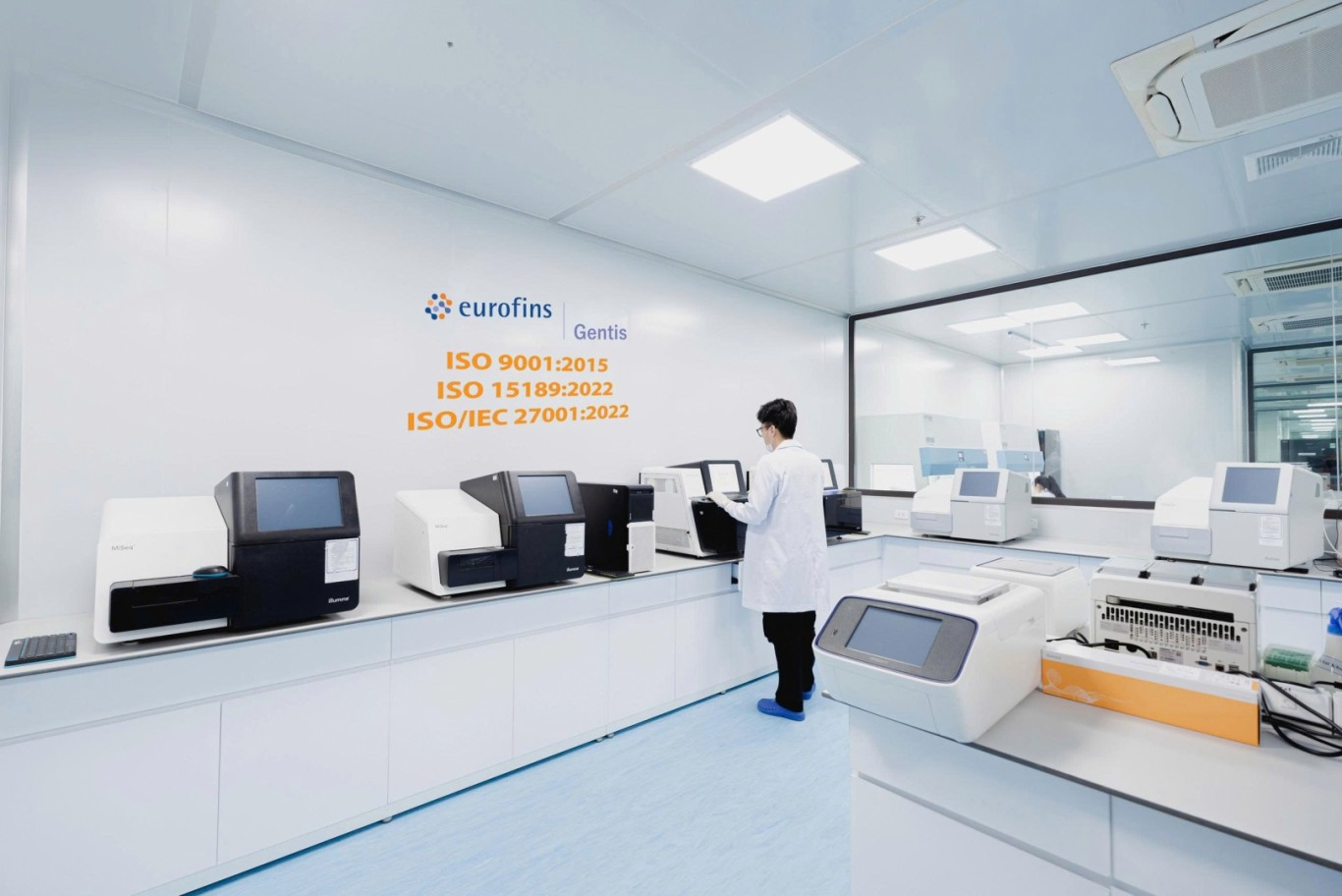
Expert opinion
Array
(
[0] => stdClass Object
(
[id] => 1393
[id_crawler] =>
[category_product] => NULL
[thumbnail] => dsc09793.jpg
[album] =>
[url_video] =>
[is_status] => 1
[is_featured] => 0
[is_form] => 1
[displayed_time] => 2025-12-18
[program] => 0
[number] => 1
[viewed] => 0
[type] =>
[type_career] =>
[level] =>
[address] =>
[address_career] =>
[expiration_time] => 0000-00-00
[created_time] => 2025-12-18 09:02:36
[updated_time] => 2025-12-18 11:21:18
[files] =>
[salary] =>
[time] =>
[created_by] => 63
[is_table_content] => 1
[language_code] => en
[slug] => Preimplantation-genetic-testing-A-key-to-improving-IVF-success-and-protecting-future-generations
[title] => Preimplantation genetic testing: A key to improving IVF success and protecting future generations
[description] => In recent years, in vitro fertilization (IVF) has become a vital solution helping tens of thousands of Vietnamese couples realize their dream of parenthood.
[content] => Each year, approximately 50,000 IVF cycles are performed in Vietnam, making the country one of the fastest-growing IVF markets in the region. However, alongside this growth come increasingly evident challenges: how to improve success rates, reduce the number of embryo transfers, optimize treatment costs, and—most importantly—ensure the long-term birth of healthy babies. Advanced genetic solutions are playing a pivotal role, laying the foundation for modern, precise, and sustainable reproductive medicine. IVF success rates vary by center and patient age; they are commonly reported at around 40–50% in younger patient groups and decline significantly with increasing maternal age, as well as other influencing factors such as oocyte and sperm quality, endometrial conditions, and embryo quality.
Preimplantation Genetic Testing (PGT) has become one of the most important tools for enhancing the quality of IVF treatment. PGT enables genetic evaluation of embryos prior to uterine transfer, thereby supporting the selection of embryos with high implantation potential and reducing the risk of genetic abnormalities. At EUROFINS GENTIS, a comprehensive PGT testing system—including PGT-A, PGT-SR, PGT-M, PGT-NEXT, and PGT-UPGRADE—is implemented in an integrated manner, providing physicians and patients with stronger scientific evidence to select optimal embryos, minimize risks, and improve IVF success rates.
PGT-M – Protecting future generations from monogenic genetic disorders
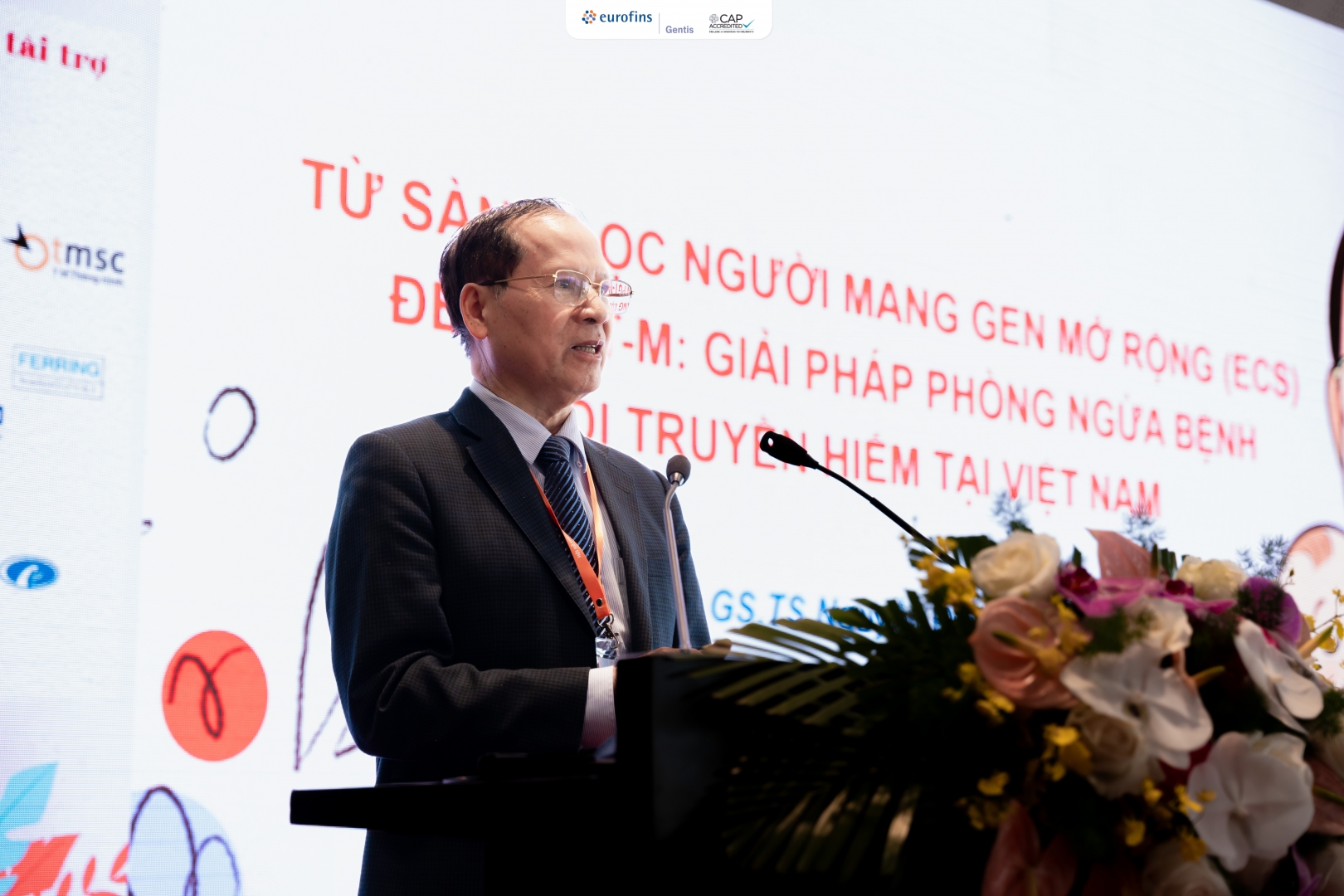
In addition to chromosomal abnormalities, monogenic genetic disorders continue to silently affect the health and happiness of many Vietnamese families. These conditions are often detected only after birth, leading to long-term treatment burdens and significantly impacting the quality of life of families and society as a whole.
Prof. Dr. Nguyen Dinh Tao (Chairman of Hanoi Assisted Reproduction) has highlighted PGT-M at EUROFINS GENTIS as a pioneering solution in early genetic disease prevention strategies. He noted that PGT-M enables accurate detection of known disease-causing mutations identified in parents or within families, allowing for the screening and selection of unaffected embryos prior to transfer. A key strength of PGT-M at EUROFINS GENTIS lies in its closed-loop and highly individualized process, which includes in-depth genetic counseling, identification of disease-related mutations, tailored test strategy design, and embryo genetic analysis using next-generation sequencing (NGS) technology. This solution can be applied to a wide range of genetic disorders, including rare diseases, opening opportunities for healthy childbirth among high-risk couples. Beyond its clinical value in establishing pregnancies unaffected by specific inherited traits—such as known pathogenic variants carried by one or both parents—PGT-M also helps reduce long-term treatment burdens, lower societal healthcare costs, and improve overall population health.
PGT-AI – AI breakthroughs in reproductive genetics
Alongside rapid advances in digital technology, artificial intelligence (AI) and bioinformatics are driving profound changes in reproductive medicine. Beyond genetic data analysis alone, AI enables the integration of multiple data sources—such as embryo imaging, molecular biology data, and clinical factors—thereby generating more accurate predictive models of embryo implantation potential and developmental outcomes.
Speaking at the HASAM 2025 conference, Dr. Pham Dinh Minh (R&D Director, EUROFINS GENTIS) introduced a new test researched and piloted by EUROFINS GENTIS: PGT-AI (icOne)—an advanced AI algorithm certified by the FDA, enabling in-depth analysis of embryo genetic data using modern machine learning platforms. This technology overcomes limitations of traditional PGT methods and supports more precise and personalized clinical decision-making for each patient.
Dr. Minh further noted that EUROFINS GENTIS is currently the exclusive partner implementing PGT-AI (icOne) in Vietnam, marking a significant milestone in bringing world-leading medical technologies closer to domestic patients. The combination of AI, bioinformatics, and the extensive expertise of specialist teams has enhanced IVF effectiveness while optimizing treatment costs and patient experience.
International quality management systems – The foundation for PGT accuracy
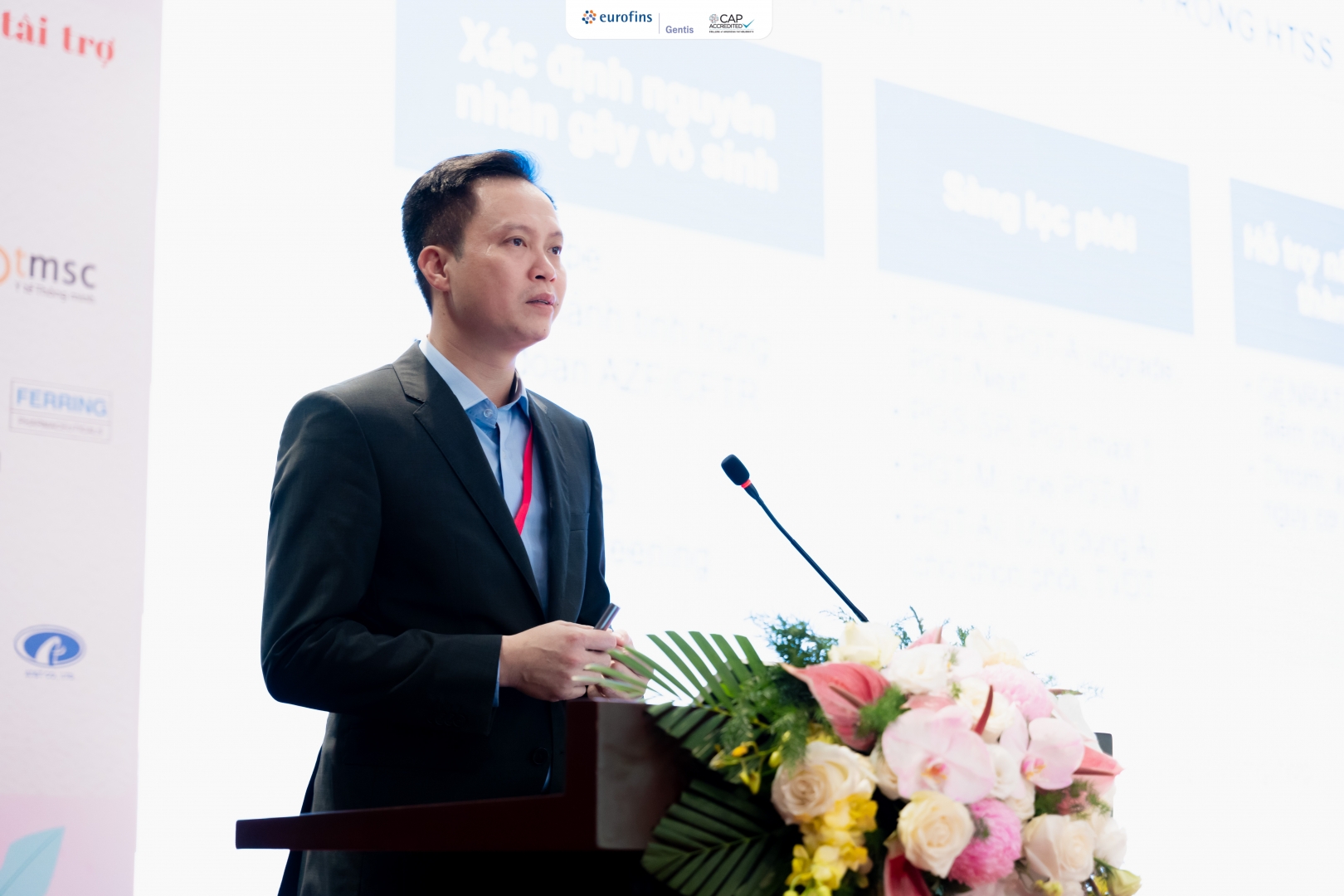
In reproductive genetics, particularly PGT testing, quality management systems play a decisive role in ensuring accuracy and reliability of results, directly influencing embryo selection, IVF treatment outcomes, and the future of each family. According to Dr. Nguyen Quang Vinh (Laboratory Director, EUROFINS GENTIS): “The comprehensive quality management system at EUROFINS GENTIS is built and operated in accordance with strict international standards such as ISO 15189, CAP, and CLSI. This ensures standardization across the entire PGT testing workflow—from receiving embryo biopsy samples, DNA processing, NGS and bioinformatics data analysis, to final reporting. Rigorous control at every step not only minimizes technical errors and ensures consistency and reproducibility of results, but also enhances safety, data security, and traceability, thereby supporting more accurate clinical decision-making.”
Together with internationally accredited laboratories, strict DNA contamination control environments, and highly experienced experts, EUROFINS GENTIS maintains high reliability in PGT testing while establishing a solid foundation for implementing advanced technologies such as PGT-AI—contributing to improved IVF outcomes and strengthening the trust of IVF centers and patients nationwide.
Accompanying the journey to parenthood
Guided by science, technology, and quality, EUROFINS GENTIS not only provides advanced genetic testing services but also serves as a trusted partner to IVF centers and Vietnamese families on their journey toward parenthood. Through the application of modern genetic technologies, EUROFINS GENTIS is steadily contributing to higher IVF success rates, early prevention of genetic diseases, and the sustainable development of reproductive medicine in Vietnam.
[content_more] =>
[meta_title] => Preimplantation genetic testing: A key to improving IVF success and protecting future generations
[meta_description] => Preimplantation Genetic Testing (PGT) has become one of the most important tools for enhancing the quality of IVF treatment. PGT enables genetic evaluation of embryos prior to uterine transfer, thereby supporting the selection of embryos with high implant
[meta_keyword] => GENTIS,PGT
[thumbnail_alt] =>
[post_id] => 1393
[category_id] => 16
)
[1] => stdClass Object
(
[id] => 1383
[id_crawler] =>
[category_product] => NULL
[thumbnail] => phat-hien-bat-thuong-gioi-tinh-tu-xet-nghiem-huyet-thong-4.jpg
[album] =>
[url_video] =>
[is_status] => 1
[is_featured] => 0
[is_form] => 0
[displayed_time] => 2025-11-25
[program] => 0
[number] => 1
[viewed] => 0
[type] =>
[type_career] =>
[level] =>
[address] =>
[address_career] =>
[expiration_time] => 0000-00-00
[created_time] => 2025-11-25 09:02:49
[updated_time] => 2025-11-28 08:46:30
[files] =>
[salary] =>
[time] =>
[created_by] => 63
[is_table_content] => 1
[language_code] => en
[slug] => Detecting-sex-abnormalities-through-paternity-testing
[title] => Detecting sex abnormalities through paternity testing
[description] => In medicine, research on sex abnormalities in both males and females has produced many scientific publications based on different research and testing methods, not only after birth but even during pregnancy. However, in this article, we would like to share several cases of sex abnormalities that were detected during paternity testing.
[content] => Case 1
The abnormality was discovered when a foreign man came to Eurofins Gentis to undergo an administrative father–child DNA test for birth registration and citizenship procedures. Based on the documents provided by the customer, the father was 36 years old, the child was a 5-month-old male, and the mother was a 20-year-old Vietnamese woman.
The testing was conducted according to standard procedures, and the results confirmed that the tested man and the child had a biological father–son relationship. The unusual point lay in the child’s sex. When analyzed using the 24-marker PowerPlex Fusion Kit, including Amelogenin and DYS391 for sex differentiation, the child’s genotype showed only XX at Amelogenin and no allele at DYS391, indicating a female genotype (see Peak image).

To establish a basis for concluding a sex abnormality, the company coordinated with the family to carry out a clinical examination, which confirmed that the child’s phenotype was male with clearly developed external genitalia.
Additionally, another test was performed to ensure accuracy: an analysis of the Y chromosome using the PowerPlex Y23 Kit. The results showed no Y-haplotype alleles at all (see Peak image).

Based on these findings, the company’s scientific council concluded that the child had 46, XX male syndrome (also known as XX Male Syndrome).
The cause of this phenomenon is unequal crossing-over between the Y chromosome and the X chromosome during the father’s meiosis. As a result, the X chromosome carries the SRY gene (the sex-determining gene). This occurs at the terminal region of the short arms of the X and Y chromosomes, where the SRY gene is normally located on the Y chromosome. When an X chromosome containing SRY combines with a normal maternal X chromosome at fertilization, it produces a 46, XX male genotype.
46, XX male syndrome occurs in approximately 1 in 20,000 newborn males, and individuals with this syndrome are infertile.
Case 2
A 42-year-old man visited the company with his 4-year-old son to request an administrative DNA test for father–son relationship verification. When asked why he wanted the test, he said he had a feeling the boy was not his because the child did not resemble him or his paternal relatives. His suspicion was emotional rather than factual—for accuracy, only DNA testing could provide an answer. Every customer has their own reasons for testing, often impossible to fully express.
Two days later, the results were completed. When he returned and learned that he and the boy were not biologically related, he fell silent for a moment, thanked the staff, and left.
About a week later, he returned again—this time with a prepared sample, stating it belonged to his 7-year-old daughter, and requested a comparison with his earlier sample. The results were astonishing: the daughter also had no biological relationship with him. Thus, both children he had tested were not his biological offspring.
Given the complicated circumstances, the scientific council analyzed the case carefully, especially because the Peak data at sex-related markers showed abnormalities. They decided to conduct an additional analysis using an X-test kit. The results revealed that the man had an XXY genotype, also known as Klinefelter syndrome (see Peak image).

The Peak chart clearly showed a male genotype (XY) at Amelogenin. However, most X-STR markers displayed two alleles (heterozygous), indicating two X chromosomes, while some X-STR markers showed a single peak (homozygous).
Klinefelter syndrome (XXY) occurs in males due to an extra X chromosome—typical males have XY. The syndrome arises randomly during gamete formation due to nondisjunction of sex chromosomes during meiosis. It occurs in approximately 1 in 500–1000 newborn males.

Males with XXY syndrome are typically infertile. Therefore, the fact that neither child was biologically related to him is understandable, and only the children’s mother would know who their biological father truly is.
Colonel Hà Quốc Khanh
[content_more] =>
[meta_title] => Detecting sex abnormalities through paternity testing
[meta_description] => In medicine, research on sex abnormalities in both males and females has produced many scientific publications based on different research and testing methods, not only after birth but even during pregnancy.
[meta_keyword] => GENTIS
[thumbnail_alt] =>
[post_id] => 1383
[category_id] => 16
)
[2] => stdClass Object
(
[id] => 1380
[id_crawler] =>
[category_product] => NULL
[thumbnail] => 583886482_1245783690902579_3797177799609396580_n.jpg
[album] =>
[url_video] =>
[is_status] => 1
[is_featured] => 0
[is_form] => 1
[displayed_time] => 2025-11-18
[program] => 0
[number] => 1
[viewed] => 0
[type] =>
[type_career] =>
[level] =>
[address] =>
[address_career] =>
[expiration_time] => 0000-00-00
[created_time] => 2025-11-18 10:48:14
[updated_time] => 2025-11-18 10:51:36
[files] =>
[salary] =>
[time] =>
[created_by] => 63
[is_table_content] => 0
[language_code] => en
[slug] => Genetics-in-assisted-reproduction-breakthroughs-bringing-new-hope-to-infertile-couples
[title] => Genetics in assisted reproduction – breakthroughs bringing new hope to infertile couples
[description] => Over the years, infertility has become one of the major concerns of modern medicine. Statistics show that as many as 12.6% of couples worldwide face difficulties in conceiving. The causes may stem from the husband, the wife, both partners, or in some cases cannot be clearly identified. However, alongside advances in assisted reproductive technologies (ART), particularly the groundbreaking applications of genetics, the journey to parenthood for infertile couples is now more hopeful than ever.
[content] => From fundamental techniques such as in vitro fertilization, medicine has continuously achieved remarkable progress. One of the most significant milestones is the application of genetics in assisted reproduction—allowing doctors not only to create embryos but also to select the healthiest ones, thereby increasing the chances of success.
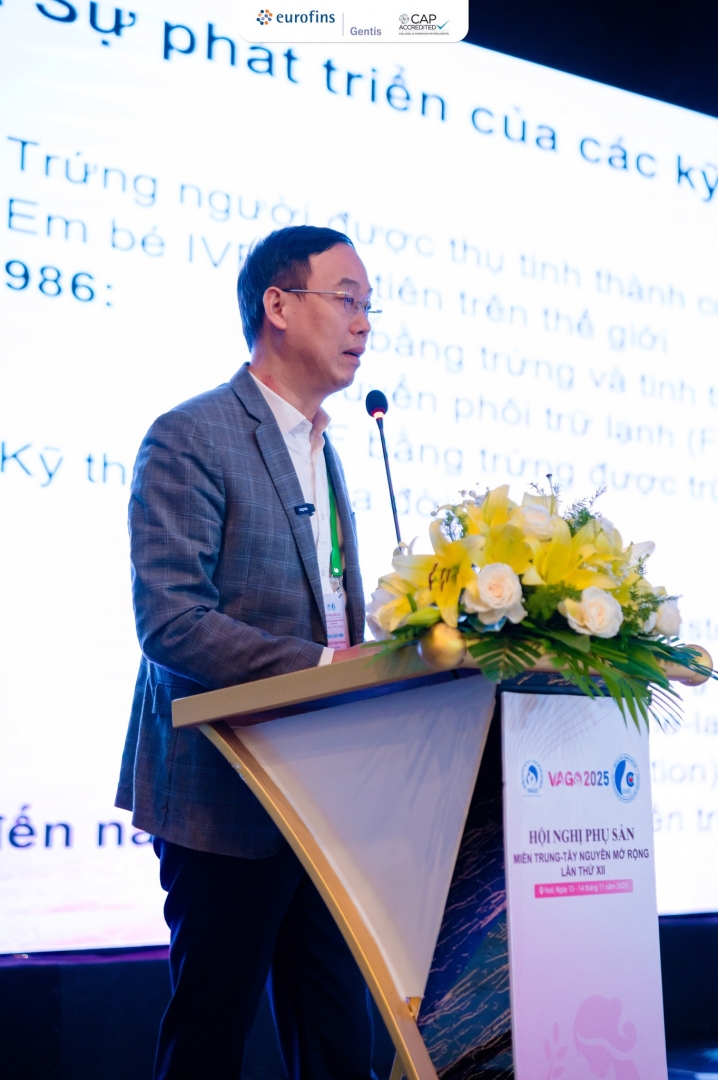
According to Assoc. Prof. Dr. Trinh The Son – Director of the Military Clinical Embryology Institute, Vietnam Military Medical Academy – genetics now plays a pivotal role in the field of assisted reproduction. Through genetic and chromosomal analyses, doctors can identify the root causes of infertility at the deepest biological levels, detecting chromosomal abnormalities such as Klinefelter syndrome, Turner syndrome, or AZF microdeletions in men, as well as gene mutations that may lead to vas deferens obstruction or premature ovarian failure. More importantly, genetic information enables personalized treatment regimens tailored to each patient’s genetic characteristics.
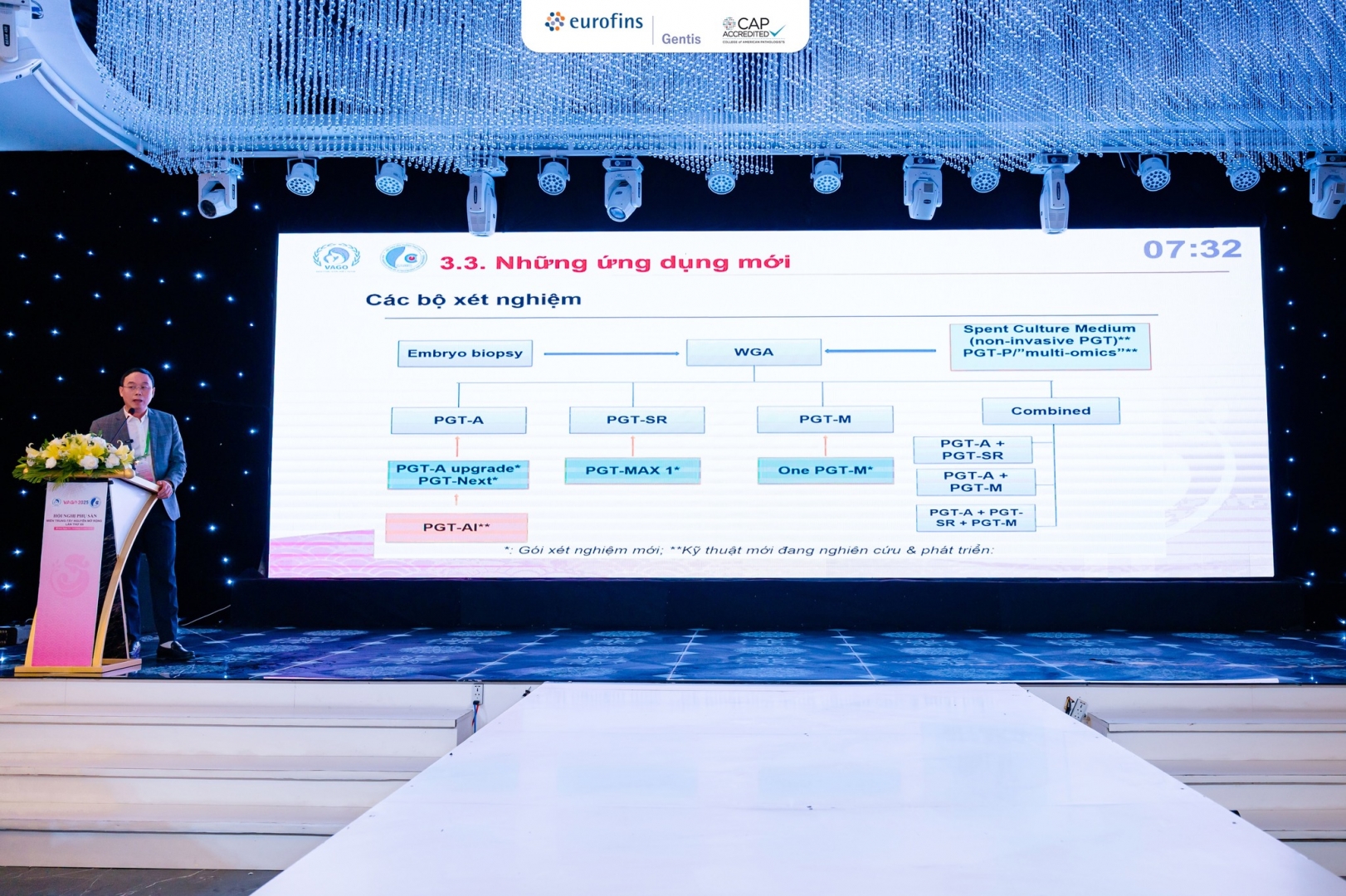
One of the most prominent achievements in this field is preimplantation genetic testing (PGT). This technique allows doctors to select embryos with normal chromosomal makeup and eliminate those carrying abnormalities that may lead to miscarriage or genetic disorders. PGT includes several types such as PGT-A, PGT-M, and PGT-SR. PGT-A helps detect abnormalities in chromosome numbers, such as Down syndrome; PGT-M is used for couples carrying genetic diseases like Thalassemia or cystic fibrosis to ensure only embryos without the disease-causing gene are transferred; while PGT-SR helps detect structural chromosomal abnormalities such as translocations or inversions, proving particularly valuable in cases of recurrent miscarriage or unexplained infertility.
Beyond these, scientists are researching and applying non-invasive screening methods, notably niPGT – a technique analyzing cell-free DNA in embryo culture media, eliminating the need for embryo biopsy and improving embryo safety during development.
In addition, the emergence of advanced tests such as PGT NEXT, PGT UPGRADE, WES, and WGS is significantly improving success rates in assisted reproduction. PGT NEXT enables comprehensive chromosomal assessment of embryos, detecting aneuploidy, mono- and polyploidy, as well as structural abnormalities, while using SNP analysis to prevent sample mix-ups and accurately identify healthy diploid embryos. PGT UPGRADE goes a step further by detecting embryos carrying balanced translocations inherited from parents—a common cause of recurrent miscarriage—allowing doctors to select embryos without such abnormalities and improving the chances of a healthy pregnancy for couples with chromosomal translocations.
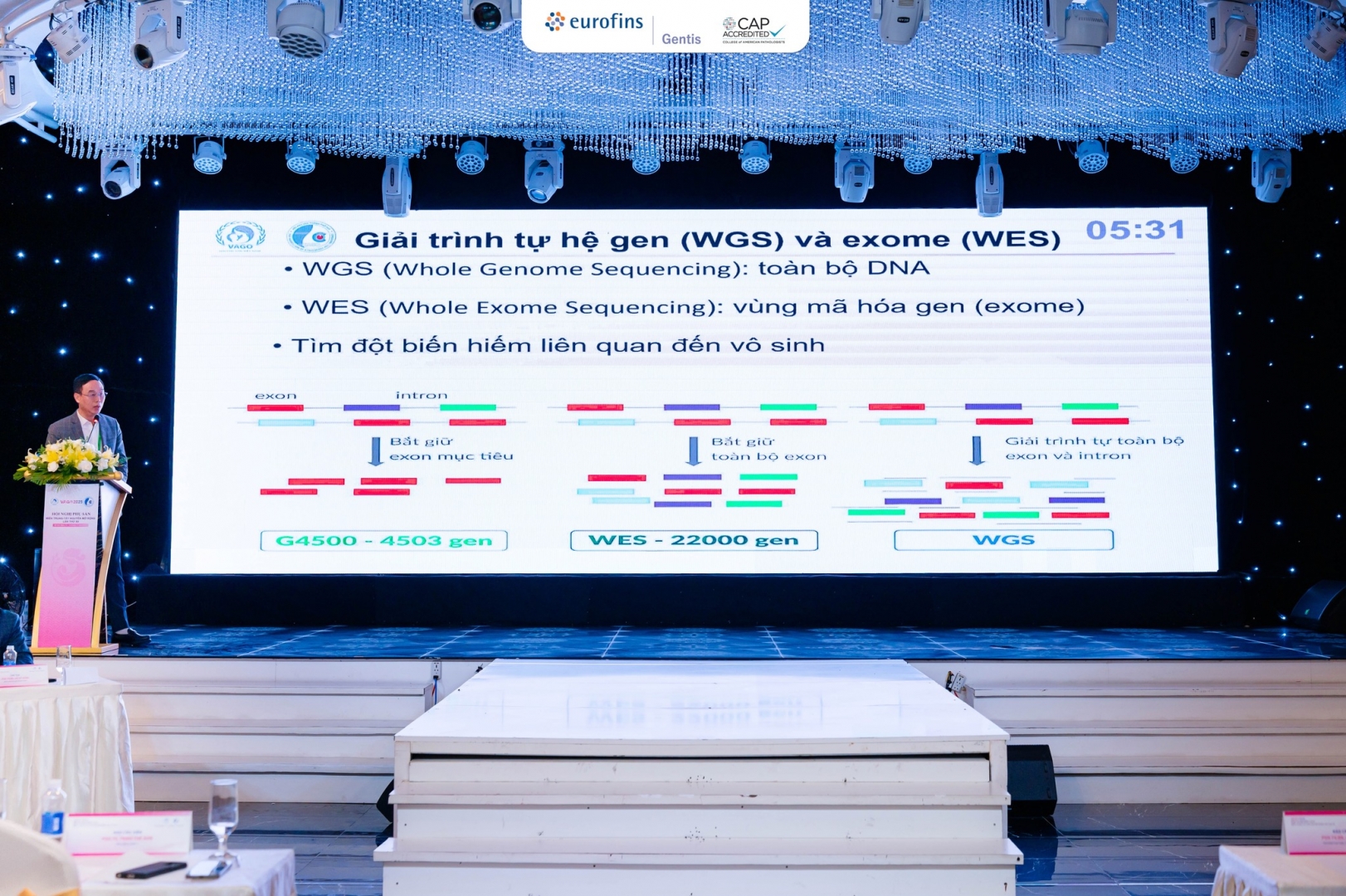
Meanwhile, WES (whole exome sequencing) and WGS (whole genome sequencing) open the door to identifying rare, complex, or previously unknown mutations related to infertility. WES examines more than 22,000 coding genes—where most disease-causing variants are concentrated—while WGS provides the most comprehensive genomic overview, helping doctors uncover deep-seated causes in difficult cases, thereby personalizing treatment plans and optimizing patient success rates.
Artificial intelligence and big data analytics are also becoming powerful tools for selecting embryos with the highest developmental potential. AI systems can analyze thousands of data points on embryo morphology and development speed to suggest the healthiest embryo, significantly increasing success rates for infertile couples.
Genetics not only enhances the effectiveness of infertility treatment but also aims toward selecting healthy embryos, ensuring precise treatment, and preventing genetic diseases. Assoc. Prof. Dr. Trinh The Son emphasizes that it is essential to approach these technologies with humanity and responsibility so that science truly serves human happiness.
On the journey toward parenthood, each advancement in genetic medicine is a beacon of hope—illuminating the dreams of millions of infertile families and bringing them closer to the “miracle of life.”
[content_more] =>
[meta_title] => Genetics in assisted reproduction – breakthroughs bringing new hope to infertile couples
[meta_description] => Over the years, infertility has become one of the major concerns of modern medicine. Statistics show that as many as 12.6% of couples worldwide face difficulties in conceiving.
[meta_keyword] => GENTIS,PGT,WES,WGS
[thumbnail_alt] =>
[post_id] => 1380
[category_id] => 16
)
[3] => stdClass Object
(
[id] => 1355
[id_crawler] =>
[category_product] => NULL
[thumbnail] => dsc09927.jpg
[album] =>
[url_video] =>
[is_status] => 1
[is_featured] => 0
[is_form] => 1
[displayed_time] => 2025-09-16
[program] => 0
[number] => 1
[viewed] => 0
[type] =>
[type_career] =>
[level] =>
[address] =>
[address_career] =>
[expiration_time] => 0000-00-00
[created_time] => 2025-09-16 14:29:05
[updated_time] => 2025-10-06 09:09:40
[files] =>
[salary] =>
[time] =>
[created_by] => 63
[is_table_content] => 1
[language_code] => en
[slug] => CAP-accreditation-an-international-guarantee-of-genetic-testing-quality-at-GENTIS
[title] => CAP accreditation – an international guarantee of genetic testing quality at GENTIS
[description] => As the healthcare industry increasingly prioritizes accuracy and safety in laboratory testing—particularly in genetic tests such as PGT (Preimplantation Genetic Testing) and NIPT (Non-Invasive Prenatal Testing)—adherence to international quality control standards has become essential to ensure reliability and transparency of results. GENTIS, a pioneering genetic testing provider in Vietnam, has firmly established its credibility by earning the prestigious CAP (College of American Pathologists) accreditation from the United States.
[content] => CAP – The Gold Standard of International Quality for Genetic Testing Laboratories
According to Dr. Nguyen Quang Vinh – Director of GENTIS Testing Center – the CAP accreditation is one of the most rigorous and comprehensive laboratory quality control standards in the world. Unlike ISO 15189, the Vietnamese standard – which can be granted for just one test in a lab – CAP requires all tests performed in the laboratory to be periodically validated and monitored by international experts. Every aspect, from software systems and equipment to each step performed by technicians, must comply with strict standards.
This ensures that test results from CAP-accredited laboratories like GENTIS are not only accurate, safe, and secure but also recognized globally – expanding the lab’s service capabilities beyond national borders to reach international markets.
In the field of assisted reproduction, Dr. Nguyen Minh Duc – Head of the Assisted Reproduction Laboratory at Hanoi Hospital of Andrology and Infertility – emphasizes the critical importance of accuracy in techniques such as PGT (Preimplantation Genetic Testing) and NIPT (Non-Invasive Prenatal Testing). For IVF cases requiring PGT, seamless coordination between the Embryology Lab and the Genetics Lab is essential. He noted: “Currently, the rate of inconclusive results in genetic testing is just 1–2%. This is extremely positive because even a 1% improvement can bring hope to thousands of families struggling with infertility.”
What makes the difference is GENTIS's fully integrated testing system, which strictly controls every step: from sample collection and transportation to testing and result reporting. All processes follow CAP-standard protocols, ensuring maximum reliability for clinicians when making treatment decisions.
In Vietnam, although testing technologies are approaching international standards, the human factor still plays a significant role in laboratory operations. Dr. Vinh shared that CAP enforces special monitoring protocols at critical control points where errors are most likely to occur, helping to minimize risks. Each sample is tracked throughout its entire journey using specialized software, while equipment and technicians must strictly adhere to protocols. Results are only released once all CAP criteria are met.
CAP – Enhancing Collaboration Between Genetic and IVF Laboratories
One of the standout advantages agreed upon by both experts is that CAP accreditation improves collaboration between labs, particularly between Embryology Labs and Genetic Labs. According to Dr. Đức, embryology labs operate according to the embryo’s developmental timeline, so the handover and processing of samples must follow a standardized and tightly coordinated workflow. Addressing the timing and personnel challenges faced by embryology labs, Dr. Vinh added: “The GENTIS lab operates 24/7, ready and flexible to handle any situation to ensure that samples are not delayed or disrupted – a crucial factor in IVF.”
[content_more] =>
[meta_title] => CAP accreditation – an international guarantee of genetic testing quality at GENTIS
[meta_description] => As the healthcare industry increasingly prioritizes accuracy and safety in laboratory testing—particularly in genetic tests such as PGT (Preimplantation Genetic Testing) and NIPT (Non-Invasive Prenatal Testing)—adherence to international quality control s
[meta_keyword] => CAP,GENTIS
[thumbnail_alt] =>
[post_id] => 1355
[category_id] => 16
)
[4] => stdClass Object
(
[id] => 1350
[id_crawler] =>
[category_product] => NULL
[thumbnail] => nht03274.jpg
[album] =>
[url_video] =>
[is_status] => 1
[is_featured] => 0
[is_form] => 0
[displayed_time] => 2025-08-25
[program] => 0
[number] => 1
[viewed] => 0
[type] =>
[type_career] =>
[level] =>
[address] =>
[address_career] =>
[expiration_time] => 0000-00-00
[created_time] => 2025-08-25 09:13:26
[updated_time] => 2025-09-08 15:02:59
[files] =>
[salary] =>
[time] =>
[created_by] => 63
[is_table_content] => 1
[language_code] => en
[slug] => breakthroughs-in-the-application-of-genetic-testing-in-clinical-pratice
[title] => Breakthroughs in the Application of Genetic Testing in Clinical Practice
[description] => The 10th Can Tho Obstetrics and Gynecology Conference, held on August 22, 2025, welcomed over 1,000 delegates, once again affirming its role as a prestigious scientific forum for the Southern region and the entire obstetrics and gynecology community in Vietnam. With nearly 60 scientific presentations, the conference offered valuable professional insights, ranging from updates in diagnostics and treatment to the growing trend of applying advancements in genetics and precision medicine.
[content] => As part of the conference, GENTIS was honored to accompany two notable presentations by Dr. Nguyen Van Thong, MD (Head of the Department of Medical Genetics, Hung Vuong Hospital), and Dr. Nguyen Huu Trung, MD, PhD (Head of the Department of Obstetrics and Gynecology, University Medical Center HCMC). These presentations demonstrated GENTIS’s pioneering role in the research and development of applied genetic testing in Vietnam.
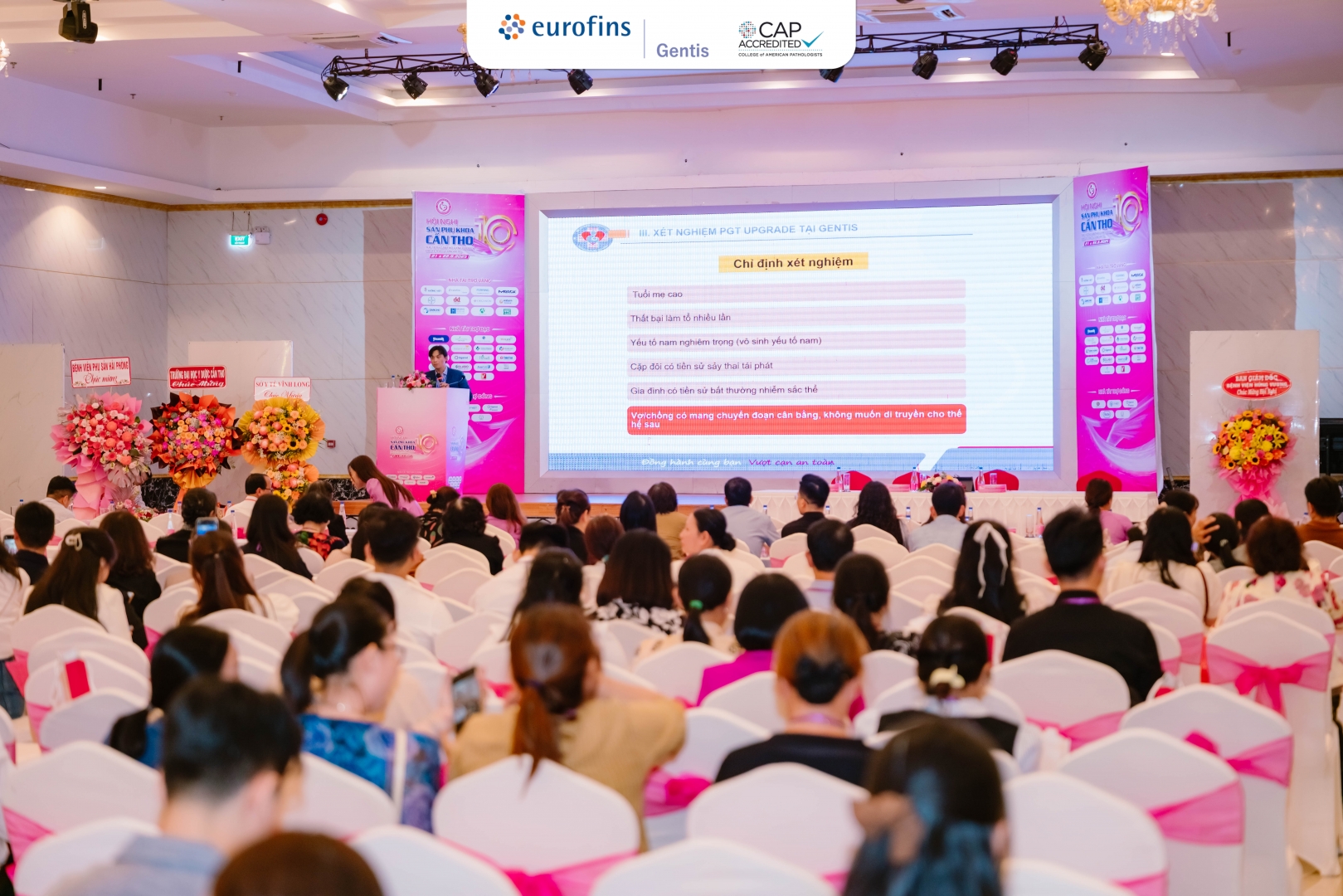
PGT-UPGRADE Test: Detecting Embryos with Balanced Translocations
Dr. Nguyen Van Thong presented on the topic: “PGT UPGRADE Testing: Detecting Embryos with Balanced Translocations.” His report focused on a challenge frequently encountered by couples undergoing infertility treatment or those with recurrent miscarriages—the presence of balanced translocations in the genome of one partner.
Balanced translocations are genetic abnormalities in which DNA segments are exchanged between non-homologous chromosomes, without any gain or loss of genetic material at the breakpoints. Carriers of balanced translocations often show no symptoms, but are at high risk of producing embryos with chromosomal abnormalities or non-viable embryos. This can result in miscarriage, stillbirth, or the birth of a child with serious genetic conditions. Therefore, detecting and screening embryos carrying balanced translocations is a crucial step in assisted reproductive treatment.
To address this issue, GENTIS has successfully developed the PGT-UPGRADE test, marking a new advancement in preimplantation genetic diagnosis. This technique allows for the identification of embryos carrying the same balanced translocations as the parent, thereby eliminating the risk of passing on reproductive issues to the next generation. As a result, doctors can select healthy embryos with no genetic risks, increasing implantation rates and offering couples a safer pregnancy journey. This is particularly significant for cases with a history of recurrent miscarriage, unexplained fetal loss, or repeated IVF failure.
With high accuracy and an optimized workflow, PGT-UPGRADE not only brings clinical benefits but also helps save time, reduce costs, and ease emotional burdens for patients. This is a major step by GENTIS in transferring advanced technologies into clinical practice, contributing to the sustainable development of reproductive support in Vietnam.
From Expanded Carrier Screening (ECS) to PGT-M: Preventing Rare Genetic Diseases
Alongside this, the presentation by Dr. Nguyen Huu Trung titled “From Expanded Carrier Screening (ECS) to PGT-M – A Strategy to Prevent Rare Genetic Diseases in Vietnam” offered a broader perspective on controlling inherited disorders at their root.
In the context of rising numbers of monogenic diseases and the high cost of treatment, early identification of genetic risks and proactive intervention before pregnancy has become an urgent necessity in modern medicine.
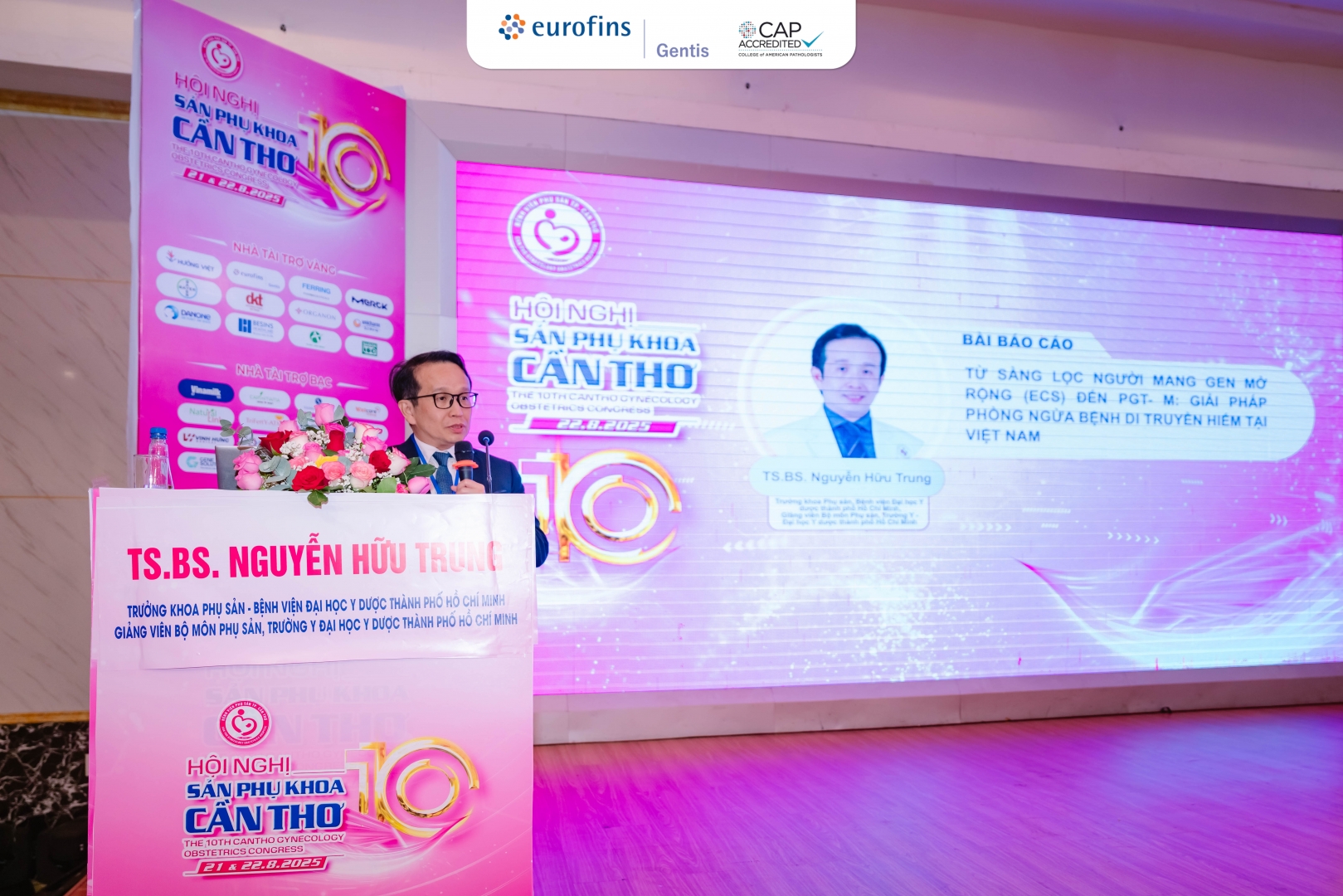
According to Dr. Trung, Expanded Carrier Screening (ECS) can screen for hundreds of genetic disorders in both men and women, helping identify couples who are carriers of the same recessive genetic mutation. If both partners carry the same disease-causing gene, their children have up to a 25% chance of being affected. In such cases, the optimal solution is to use in vitro fertilization (IVF) combined with PGT-M (Preimplantation Genetic Testing for Monogenic disorders) to screen and select embryos free of the disease-causing genes. This represents a shift from “risk detection” to “proactive prevention”—a strategic direction in preventing rare genetic diseases.
GENTIS is one of the pioneers in deploying and optimizing PGT-M testing panels in Vietnam. With a system that includes more than 100 monogenic diseases—covering both common and rare conditions such as Thalassemia, cystic fibrosis, spinal muscular atrophy (SMA), metabolic disorders, Rett syndrome, and more—GENTIS ensures not only broad test coverage but also high accuracy and rapid turnaround times.
This is made possible through the development of a standardized gene database, a synchronized lab system, and a team of highly trained professionals. In addition, GENTIS places strong emphasis on pre- and post-test genetic counseling, helping patients fully understand their results and make informed decisions based on their family circumstances and reproductive goals.
Genetic Testing – A Practical Tool in Modern Clinical Practice
Both presentations shared an important common message: genetic testing is no longer a distant tool reserved for research or major medical centers, but is increasingly becoming an essential part of modern clinical practice. Thanks to the collaboration between leading experts and applied research units like GENTIS, complex genetic medicine techniques are now more accessible, sustainable, and effective for patients than ever before.
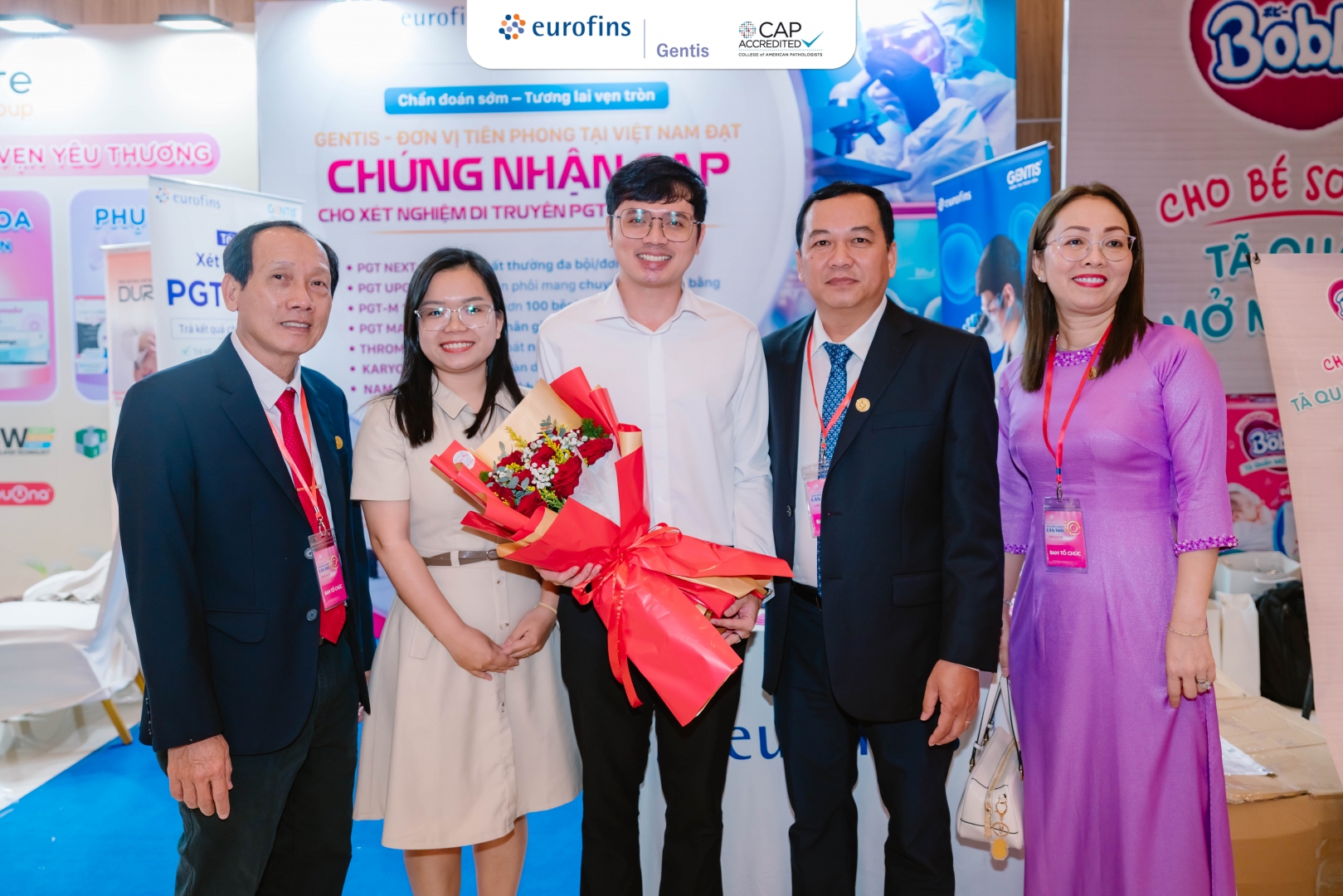
GENTIS's presence at the 10th Can Tho Obstetrics and Gynecology Conference was not merely that of a sponsor, but a clear demonstration of its long-term commitment to improving reproductive healthcare quality in Vietnam. Looking forward, GENTIS aims to continue developing modern genetic solutions, aligned with the mission of “early diagnosis – proactive prevention – healthy babies,” and will continue to work hand-in-hand with the medical community to build a better future for the next generations.
[content_more] =>
[meta_title] => Breakthroughs in the Application of Genetic Testing in Clinical Practice
[meta_description] => The 10th Can Tho Obstetrics and Gynecology Conference, held on August 22, 2025, welcomed over 1,000 delegates, once again affirming its role as a prestigious scientific forum for the Southern region and the entire obstetrics and gynecology community in Vi
[meta_keyword] => Gentis,PGT
[thumbnail_alt] =>
[post_id] => 1350
[category_id] => 16
)
[5] => stdClass Object
(
[id] => 1348
[id_crawler] =>
[category_product] => NULL
[thumbnail] => spk_cần_thơ.jpg
[album] =>
[url_video] =>
[is_status] => 1
[is_featured] => 0
[is_form] => 0
[displayed_time] => 2025-08-18
[program] => 0
[number] => 1
[viewed] => 0
[type] =>
[type_career] =>
[level] =>
[address] =>
[address_career] =>
[expiration_time] => 0000-00-00
[created_time] => 2025-08-18 14:22:06
[updated_time] => 2025-09-08 15:03:14
[files] =>
[salary] =>
[time] =>
[created_by] => 63
[is_table_content] => 1
[language_code] => en
[slug] => Gentis-proudly-accompanies-the-Can-Tho-Obstetrics-and-gynecology-conference-2025
[title] => GENTIS Proudly Accompanies the Can Tho Obstetrics and Gynecology Conference 2025
[description] => From August 21–22, 2025, the Can Tho Obstetrics and Gynecology Conference 2025 will officially take place at the Van Phat Riverside Conference Center in Can Tho City. This prestigious professional event brings together leading experts, doctors, and healthcare professionals from top hospitals and medical centers across Vietnam.
[content] => GENTIS is proud to accompany this year’s conference, carrying the mission of improving public health from the genetic foundation, and introducing advanced genetic testing solutions in the field of assisted reproduction.

A Scientific Forum Connecting Obstetrics and Gynecology Experts
The Can Tho Obstetrics and Gynecology Conference is one of the major events in the Mekong Delta region in 2025, providing an excellent opportunity for physicians, researchers, and medical staff to update their knowledge in obstetrics, gynecology, assisted reproduction, and neonatal care.
The conference will feature numerous high-value scientific presentations, focusing on urgent and relevant topics such as:
-
Updates on diagnostic and treatment protocols for obstetric and gynecological diseases
-
Modern assisted reproductive technologies
-
The application of new technologies in prenatal and neonatal care
-
Genetic research in reproductive medicine
Importantly, the event serves as a platform for experts to share real-world experience, engage in academic exchange, and strengthen collaboration between central and local hospitals, as well as biomedical research units across the country.
GENTIS – Supporting Professional Development and Leading Innovation in Genetic Medicine
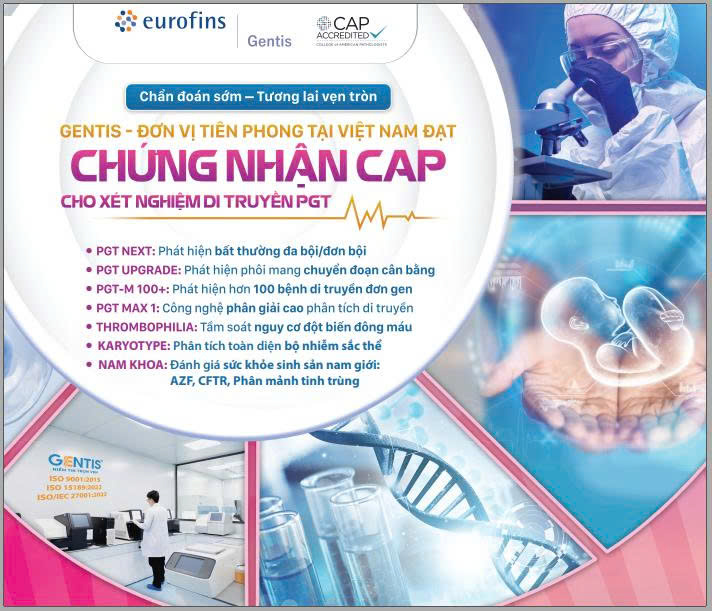
As a sponsor, GENTIS brings to the conference an impressive booth, showcasing advanced genetic testing solutions tailored for assisted reproduction – a field that is gaining increasing importance in modern medicine. Some of the key services introduced by GENTIS include:
-
PGT NEXT: Detection of aneuploidy/monosomy
-
PGT UPGRADE: Identification of embryos with balanced translocations
-
PGT-M for 100+ rare diseases: Screening for over 100 monogenic inherited disorders
-
PGT-MAX 1: High-resolution genetic analysis technology
-
Thrombophilia: Screening for blood clotting mutation risks
-
Karyotype: Comprehensive chromosomal analysis
-
Advanced male fertility tests: Assessing male reproductive health (e.g., AZF, CFTR, sperm DNA fragmentation)
With internationally accredited laboratories (CAP, ISO 15189:2022, ISO 27001:2022, ISO 9001:2015), GENTIS continually invests in cutting-edge technology, analytical software, and expert personnel to ensure accurate, fast, and reliable test results.
A Meaningful Experience for Delegates
At this year’s conference, GENTIS not only showcases technical solutions but also creates an open, interactive space at its exhibition booth on August 22, 2025, offering a memorable and meaningful experience for all attendees. At the GENTIS booth, visitors will have the opportunity to:
-
Receive direct consultations from experienced specialists on genetic testing services
-
Learn about how genetic testing is integrated into assisted reproduction workflows to improve IVF success rates
-
Participate in fun mini-games and win exciting gifts
This is also a valuable opportunity for GENTIS to connect with doctors and listen to real-world challenges, helping refine services and develop more specialized tests tailored to the needs of different patient groups.
Over the years, GENTIS has collaborated with hundreds of medical facilities and clinics across Vietnam, contributing to the early screening and treatment of genetic diseases, supporting fertility treatments, improving population health, and bringing hope to thousands of families.
Reaffirming the Bridge Between Genetic Technology and Clinical Medicine
The Can Tho Obstetrics and Gynecology Conference 2025 is not just a platform for GENTIS to showcase its solutions—it is also a chance to reaffirm its role as a bridge between advanced genetic technology and clinical practice, providing doctors with more effective tools for diagnosis and treatment.
[content_more] => [meta_title] => GENTIS Proudly Accompanies the Can Tho Obstetrics and Gynecology Conference 2025 [meta_description] => From August 21–22, 2025, the Can Tho Obstetrics and Gynecology Conference 2025 will officially take place at the Van Phat Riverside Conference Center in Can Tho City. [meta_keyword] => GENTIS,PGT [thumbnail_alt] => [post_id] => 1348 [category_id] => 16 ) [6] => stdClass Object ( [id] => 1344 [id_crawler] => [category_product] => NULL [thumbnail] => 1e381ec1b7c43e9a67d5.jpg [album] => [url_video] => [is_status] => 1 [is_featured] => 0 [is_form] => 0 [displayed_time] => 2025-07-29 [program] => 0 [number] => 1 [viewed] => 0 [type] => [type_career] => [level] => [address] => [address_career] => [expiration_time] => 0000-00-00 [created_time] => 2025-07-31 10:58:15 [updated_time] => 2025-09-08 15:03:39 [files] => [salary] => [time] => [created_by] => 63 [is_table_content] => 1 [language_code] => en [slug] => Total-quality-management-a-perspective-from-an-expert [title] => Total Quality Management – A Perspective from an Expert [description] => In a healthcare landscape that increasingly demands precision, safety, and transparency in laboratory testing, the concept of Total Quality Management (TQM) has become a critical factor for modern laboratories. Especially with the rapid development of biotechnology and personalized medicine, laboratories are expected not only to perform accurately but also to meet international standards in performance, equipment, processes, and data security. [content] =>To further clarify this concept, we had a discussion with Dr. Nguyễn Quang Vinh, Director of GENTIS Testing Center, an expert with over 15 years of pioneering experience in building, operating, and optimizing laboratory systems in Vietnam.
- Dr. Vinh, could you share your perspective on the concept of Total Quality Management in laboratories?
Dr. Nguyen Quang Vinh: Total Quality Management (TQM) in laboratories is not simply about controlling the quality of test results. It is a holistic management system that encompasses people, processes, technologies, equipment, and especially aspects related to safety, data security, and continuous improvement.
This system is not solely technical but is built on a customer-centric philosophy, with the ultimate goal of ensuring test results that are accurate, timely, and reliable, effectively serving both patients and treating physicians.
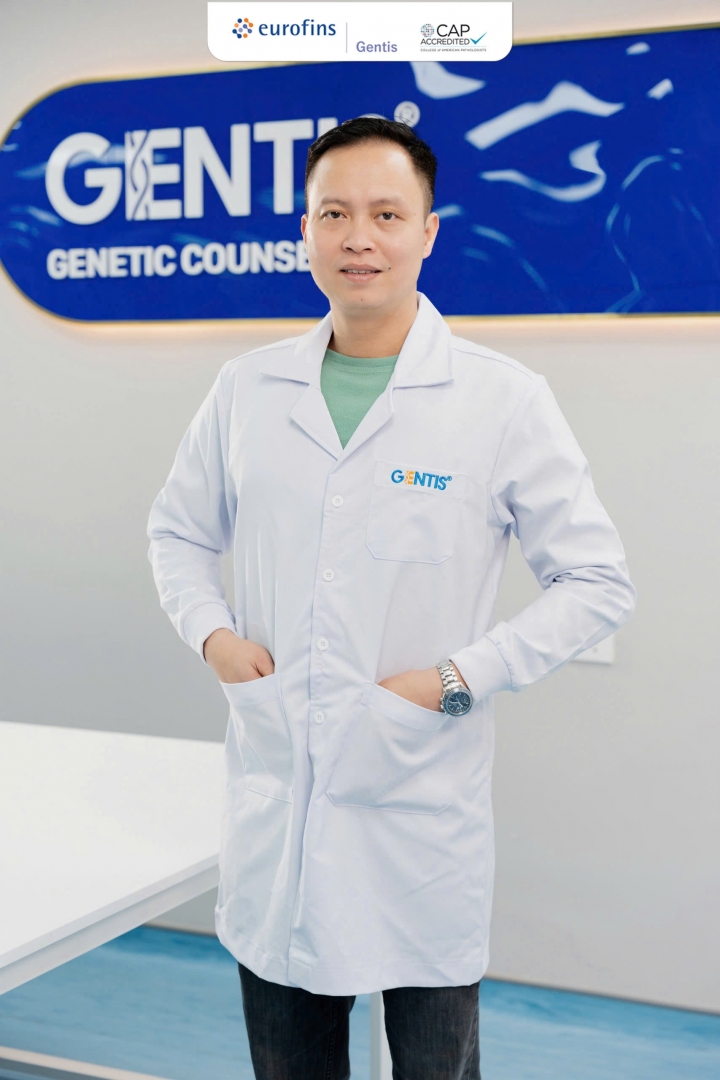 Dr. Nguyen Quang Vinh (Director of GENTIS Testing Center)
The entire system involves participation from all staff—technicians, doctors, administrative personnel, and the management team. Every individual plays a role in maintaining quality and improving performance.
Such a system requires the integration of multiple international quality management standards—not just a single tool or framework. This creates a complex but necessary network to ensure accuracy, biosafety, reliability, and transparent traceability in every operation.
- In your opinion, what standards are essential for building a comprehensive quality management system in laboratories?
Dr. Nguyen Quang Vinh: Comprehensive quality management in laboratories is complex. It requires modern management tools and the integration of multiple standards to create a strong and sustainable system.
First is ISO 9001:2015, a general quality management framework that helps organize operations, control processes, and support continuous improvement.
For labs with advanced equipment, ISO 13485:2016 (for medical device quality management) is essential. It ensures that equipment is not only modern but also safe and effective in operation.
Next is ISO 15189:2022, an international standard that has been recommended and widely adopted by Vietnam’s Ministry of Health. It focuses on technical competence and quality in medical laboratories.
Equally important is ISO 27001:2022, which governs information security and data management—especially relevant as AI and digital technologies become deeply embedded in lab operations.
And finally, we must mention CAP (College of American Pathologists), a highly respected standard from the U.S. for laboratories worldwide. CAP has stringent requirements for performance, quality assurance, internal and external audits.
In my view, these standards must be skillfully, flexibly, and coherently integrated. Meeting each one in isolation without a unified system cannot be considered “comprehensive.”
- To meet international standards, what should Vietnamese laboratories do, Dr. Vinh?
Dr. Nguyen Quang Vinh: First and foremost, adopt a systematic mindset. Quality management should not be seen as a checklist of tasks, but as a continuous, integrated operational flow.
Next is serious investment in equipment, infrastructure, personnel, technology, and processes. Laboratories must be bold enough to adopt challenging standards such as CAP and ISO 15189:2022, which will elevate their capabilities.
And most importantly, it takes patience and long-term commitment. It took GENTIS many years to build our current system, which integrates CAP, ISO 15189:2022, ISO 27001:2022, ISO 13485:2016, and ISO 9001:2015. But in return, we’ve earned trust—from experts, partners both domestic and international, and most importantly, from our patients.
- What are the biggest challenges in building a total quality management system in Vietnam?
Dr. Nguyen Quang Vinh: The biggest challenge is the long-term investment mindset. Quality management is not a cost—it is a value. However, many organizations hesitate because they see adopting multiple standards as expensive or only suitable for large laboratories. Some build a system but fail to maintain it.
Another challenge is the availability of specialized human resources. Implementing international standards requires well-trained personnel with the capacity to operate and continuously improve the system—not just “meet the minimum” and stop there.
Lastly, technology and data. As medical information becomes increasingly digital, managing data, synchronizing processes, ensuring information security, and integrating systems is mandatory, not optional.
- With 15 years of experience in the field, what advice would you give to organizations aiming to upgrade their lab quality management systems?
Dr. Nguyen Quang Vinh: My advice is to build a multi-tiered quality management system, where international standards are not treated as final goals, but as tools to be flexibly integrated into practical operations. This not only enhances credibility but also lays a solid foundation for sustainable international integration.
To achieve this, I believe in focusing on several core principles:
- Strong leadership commitment – This is the most critical foundation for achieving consensus and maintaining motivation across the entire system.
- Synchronized integration of international standards, including CAP (stringent U.S. standards for laboratories), ISO 15189 (medical lab competency), ISO 13485 (medical device management), ISO 27001 (information security), and ISO 9001 (quality improvement and customer satisfaction).
- Continuous staff training – Not just for technical updates, but to develop a mindset of improvement and a deep awareness of quality in every role.
- Standardized operational processes – Processes must be clear, executable, auditable, and capable of flexible improvement.
- Regular internal assessments – An effective tool to detect errors early, make timely corrections, and sustain system efficiency.
- A culture of quality – Most importantly, making “quality” a habit and a core value across all activities, from technicians and doctors to administrative and support teams.
An effective quality management system cannot be built overnight. But with the right direction and long-term commitment, it can not only enhance operational efficiency, but also help build trust among customers and professional partners at home and abroad.
- Thank you, Dr. Nguyen Quang Vinh, for your practical and insightful sharing!
[content_more] => [meta_title] => Total Quality Management – A Perspective from an Expert [meta_description] => In a healthcare landscape that increasingly demands precision, safety, and transparency in laboratory testing, the concept of Total Quality Management (TQM) has become a critical factor for modern laboratories. [meta_keyword] => [thumbnail_alt] => [post_id] => 1344 [category_id] => 16 ) [7] => stdClass Object ( [id] => 1342 [id_crawler] => [category_product] => NULL [thumbnail] => 2abfe31698882ed67799.jpg [album] => [url_video] => [is_status] => 1 [is_featured] => 0 [is_form] => 0 [displayed_time] => 2025-07-18 [program] => 0 [number] => 1 [viewed] => 0 [type] => [type_career] => [level] => [address] => [address_career] => [expiration_time] => 0000-00-00 [created_time] => 2025-07-18 13:19:22 [updated_time] => 2025-09-08 15:05:38 [files] => [salary] => [time] => [created_by] => 63 [is_table_content] => 1 [language_code] => en [slug] => GENTIS-&-Dong-Do-hospital-bringing-genratest-solutions-closer-to-patients-with-infertility-issues [title] => GENTIS & Dong Do Hospital – Bringing Genratest Solutions Closer to Patients with Infertility Issues [description] => On the afternoon of July 17, 2025, at Dong Do General Hospital, representatives from GENTIS (Genetic Analysis Services JSC) had a working session and professional exchange with the hospital's team of obstetricians and reproductive specialists. The meeting focused on introducing and providing in-depth updates on the Genratest – an advanced tool that improves treatment outcomes in assisted reproductive technology (ART), especially for patients who have experienced repeated implantation failure (RIF). [content] =>The scientific meeting was attended by Dr. Tang Duc Cuong, Level II Specialist – Medical Director of Dong Do Hospital and Director of the Dong Do IVF Center; MSc. Dr. Ngo Thi Diem – Head of the Obstetrics Department of Dong Do Hospital; along with various experts, doctors, technicians, and nurses from the hospital.
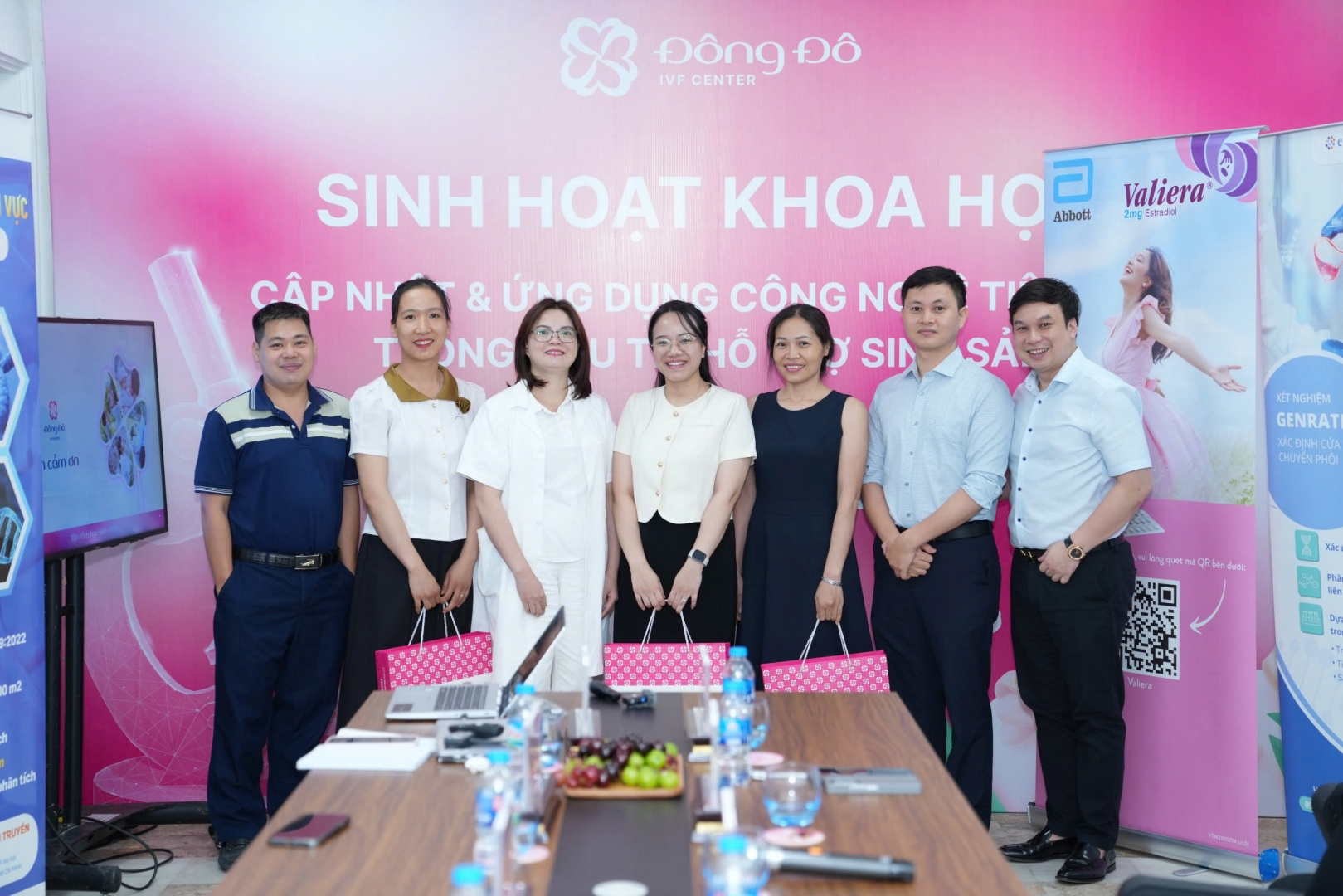
During the technical session, MSc. Nguyen Thi Thanh Hang (GENTIS Specialist) presented a scientific report titled "Genratest Technology: Determining the Optimal Window of Implantation (WOI) for Embryo Transfer." The presentation garnered significant attention from all attendees, including medical professionals, technicians, and nurses.
Genratest is a test that analyzes gene expression in the endometrium to precisely determine each woman’s unique Window of Implantation (WOI) – the optimal time when the endometrium is most receptive to embryo implantation. The test involves an endometrial biopsy and next-generation sequencing (NGS) of over 200 genes related to endometrial receptivity. Based on this analysis, doctors can determine the best timing for embryo transfer to achieve the highest success rate.
 MSc. Nguyen Thi Thanh Hang provided valuable insights into the Genratest, currently being developed and implemented by GENTIS.
Research shows that among patients with a history of repeated implantation failure, 30–35% have a displaced WOI compared to the standard. This means that continuing with standard embryo transfer timing could result in a high risk of failure – even if the embryo quality and uterine environment are good. Genratest represents a breakthrough in personalized IVF treatment, supporting clinicians in making accurate and timely decisions regarding embryo transfer, thereby increasing implantation rates and reducing unexplained IVF failures.
When questions arose regarding Genratest from Dong Do Hospital’s specialists, Ms. Duong Thi Phuong (Head of R&D at GENTIS) gave detailed explanations on the sampling, analysis, and result delivery process. The endometrial biopsy is taken during a natural or hormone-controlled cycle and processed in GENTIS's ISO 15189-certified laboratory. Results are available within 10–12 working days, giving doctors a scientific basis to adjust embryo transfer timing for the following cycle.
In addition to theoretical aspects, the session also featured notable clinical data from both Vietnamese and international studies. Personalized embryo transfer based on Genratest results has shown significantly improved clinical pregnancy rates. Genratest is considered a valuable tool for patients facing challenges on their journey to parenthood.
Dr. Tang Duc Cuong shared:“We highly appreciate the applicability of Genratest in modern IVF treatments. With a team of skilled doctors and the support of cutting-edge technology, we believe personalized treatment – especially embryo transfer – is the key to improving success rates and reducing the burden on patients.”
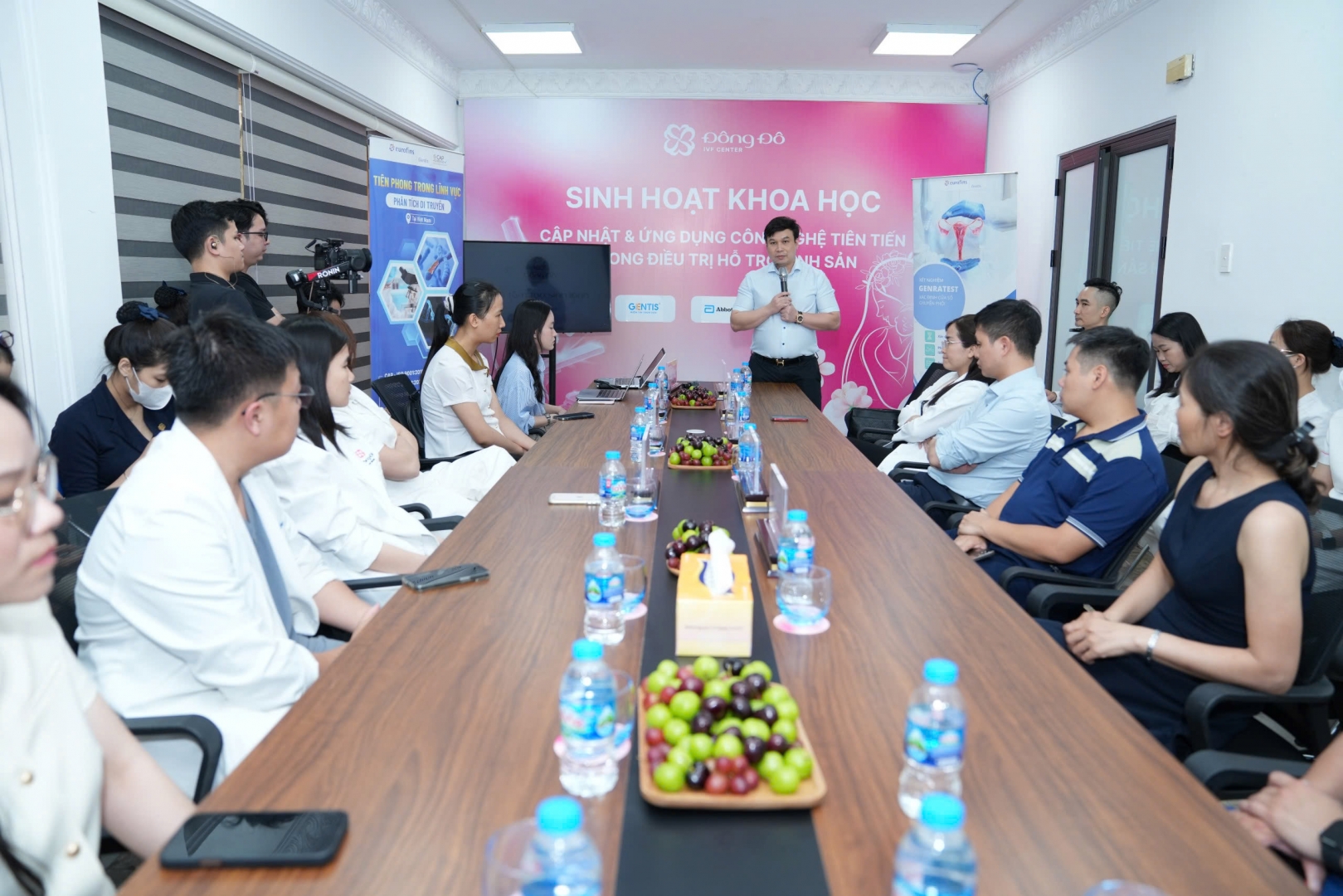 Dr. Tang Duc Cuong – Medical Director of Dong Do Hospital and Director of Dong Do IVF Center – engaged in a meaningful discussion about the Genratest solution from GENTIS.
The meeting also set the stage for future collaboration between GENTIS and Dong Do Hospital, particularly in incorporating Genratest into routine treatment protocols and clinical research. This marks a significant step toward enhancing the quality of infertility treatment in Vietnam, making molecular biotechnology more accessible and effective for the community.
[content_more] => [meta_title] => GENTIS & Dong Do Hospital – Bringing Genratest Solutions Closer to Patients with Infertility Issues [meta_description] => On the afternoon of July 17, 2025, at Dong Do General Hospital, representatives from GENTIS (Genetic Analysis Services JSC) had a working session and professional exchange with the hospital's team of obstetricians and reproductive specialists [meta_keyword] => GENTIS,Gẻnatest,Dong Do [thumbnail_alt] => [post_id] => 1342 [category_id] => 16 ) )
Preimplantation genetic testing: A key to improving IVF success and protecting future generations

Detecting sex abnormalities through paternity testing

Genetics in assisted reproduction – breakthroughs bringing new hope to infertile couples

CAP accreditation – an international guarantee of genetic testing quality at GENTIS
Breakthroughs in the Application of Genetic Testing in Clinical Practice

GENTIS Proudly Accompanies the Can Tho Obstetrics and Gynecology Conference 2025
Total Quality Management – A Perspective from an Expert

GENTIS & Dong Do Hospital – Bringing Genratest Solutions Closer to Patients with Infertility Issues
Please fill in the information below to receive our supports and consultations!
Please fill in the information below to receive our supports and consultations!